• Adults Only Website 18+

    If you are under 18 you are not permitted to submit personal information to us or use this website. If discovered you will be banned.

    We will ban and report anyone posting illegal content.

    We will ban any forum user who breaks our terms.

    Freedom of speech should be wide open as long as it doesn't incite violence.

    We have a 15 year old thriving community here with 400,000+ members and hundreds of people online at any given moment, we encourage you to join!, there are 1000's of topics to discuss. Please be aware before registering and read our terms of service and privacy policy.

    By dismissing this notice and proceeding, you agree to the above.

12 rare syndromes you might never have heard of

Amata

In Hindsight Everything Is Different

12 Weird & Mysterious Little Known Disorders​


Werewolf syndrome .webp

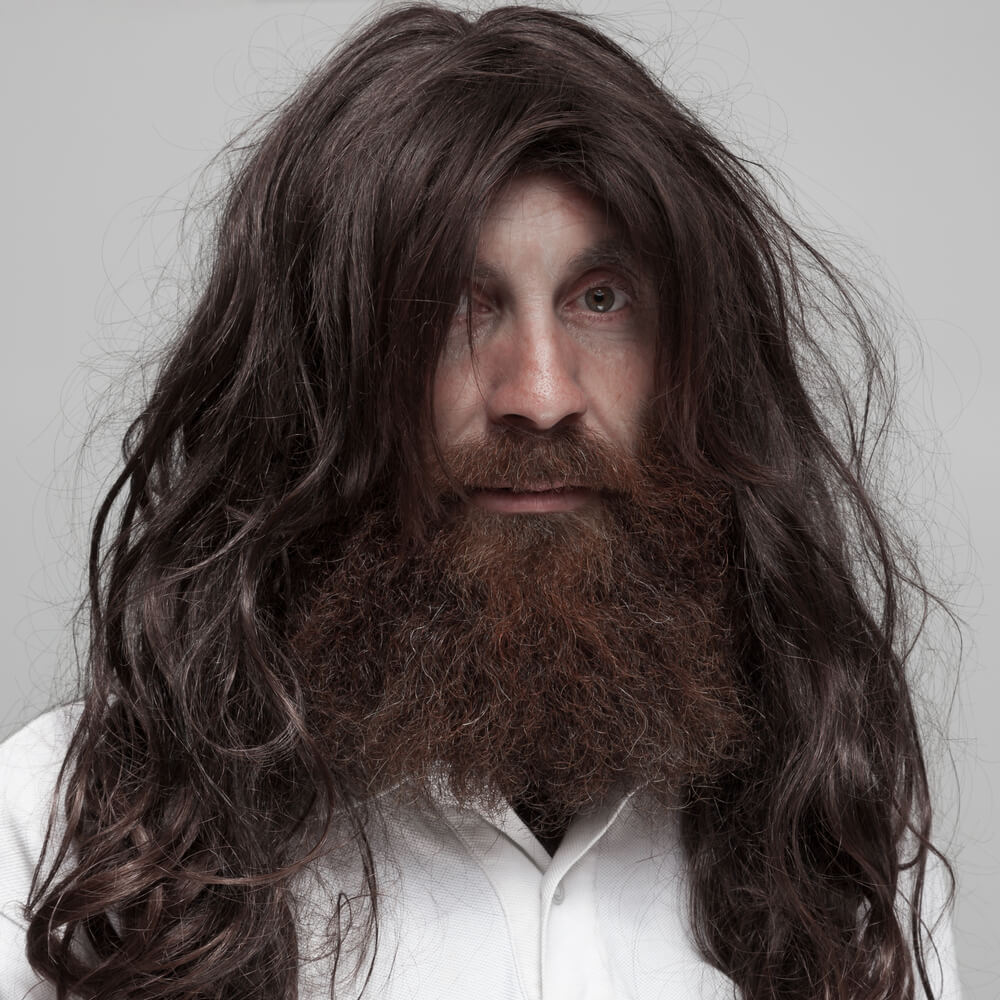
Man with werewolf syndrome

1. Auto-Brewery Syndrome

Auto-Brewery Syndrome, also known as the Gut Fermentation Syndrome, is a strange medical condition where a person experiences intoxication from alcohol through “abnormal gut fermentation” in the small intestines caused by an overgrowth of specific types of fungus. The gut produces alcohol out of regular food and drinks containing carbohydrates, yeast, or bacteria that thrive in that part of the body.
Symptoms include:
  • Aches and pains, including in the stomach
  • Bloating
  • Changes in bowel movements
  • Fatigue
  • Nasal discharge, productive cough (or one that produces phlegm), and sinusitis
  • Problems with concentration, memory, and thought processes
  • Sugar cravings
The main treatments for this condition are diet changes and reduction in simple sugars, refined carbohydrates, yeast products, and moldy food. In addition, a person with this condition may also need medications like vitamin and mineral supplements to address the nutritional deficiencies.

2. Persistent Sexual Arousal Syndrome

Persistent Sexual Arousal Syndrome (PSAS), also called the Persistent Genital Arousal Syndrome (PGAD), causes people to live perpetually at the brink of an orgasm. The sensations are partially relieved through orgasm but may return suddenly within a few hours. PSAS can lead to constant physical pain, stress, and psychological difficulties due to an inability to carry out everyday tasks.
Patients may suffer the following:
  • Anxiety
  • Depression
  • Distress
  • Frustration
  • Guilt
  • Insomnia
  • Panic attacks
Treatment is usually prescribed to manage the symptoms since the exact cause is not yet known. Cognitive behavioral therapy (CBT) is said to identify the triggers and provides some coping mechanisms and distraction techniques. In addition, changes in medication by removing drugs with herbal estrogen can help manage the condition.

3. Walking Corpse Syndrome


DEAD musician.webp


Per Yngve "Pelle" Ohlin (16 January 1969 – 8 April 1991), known professionally as Dead, was a Swedish musician of whom many thought he might have suffered from Cotard's Syndrome


The Walking Corpse Syndrome is also called the Cotard’s Syndrome, a neuropsychiatric disorder related to depression. This syndrome makes people believe that they are dead or missing their soul, organs, blood, or specific body parts. This syndrome is usually a symptom of another psychiatric condition rather than a disease on its own.
Symptoms include:
  • Attempts to self-harm
  • Becoming speechless
  • Delusions of immortality
  • Delusions that one is dying, dead, or no longer exists
  • Insensitivity to pain
  • Patient stop speaking
  • Refusal to eat as a result of their delusions of being dead
  • Severe depression or sadness (melancholia)
  • Voices telling the patient he/she is dead or dying
Symptoms are usually managed through medications like anti-depressants, anti-psychotics, and anti-anxiety drugs; and therapy like Cognitive-Behavioral Therapy (CBT) or psychotherapy. In addition, Electroconvulsive therapy (ECT) may be used as a last resort when medications and talk therapy fail to work.

4. Foreign Accent Syndrome

Foreign Accent Syndrome stems from a damage in the part of the brain associated with speech. This happens when a person suddenly wakes up speaking in a different accent. It is commonly caused by stroke, trauma, tumors, and other neurological conditions.
The most common treatment would be speech therapy to help a person bring back their normal speaking ways.

5. Congenital Insensitivity to Pain

This disease is present from birth, which inhibits the ability to perceive physical pain. It is caused by mutations in specific genes, particularly in an autosomal recessive pattern, which is two inherited gene mutations, one from each parent.
People with this condition can feel the distinction between a sharp and a dull object and something cold and hot. However, one cannot sense that a hot beverage is already burning their tongue. Unfortunately, there is no known cure for this condition yet.
Symptoms include:
  • Loss of smell
  • Decreased ability to sweat (anhidrosis)

6. Stoneman Syndrome

Fibrodysplasia Ossificans Progressiva (FOP), or the Stoneman Syndrome, is a rare condition wherein the body’s connective tissues slowly turns into bones. It affects 1 in 2 million people and is caused by a gene mutation. The condition usually starts from the shoulders and neck, making its way down to the legs. A second bone grows over the first one in a process known as heterotopic ossification (HO).
Surgical efforts to remove the second bone might trigger immense bone growth because of the invasiveness of the surgery. A person with this syndrome can lose mobility after a minor accident, as bone growth is stimulated.

7. Alice in Wonderland Syndrome (AIWS)

This neurological syndrome is also called the Todd’s Syndrome. This usually presents migraines that can distort a person’s body image, including the size of the head, hands, and feet. Patients can also experience hallucinations and the feeling of time passing by either slowly or quickly.
Sadly, AIWS has no proven, effective treatment yet. However, a treatment plan consists of migraine prophylaxis and a migraine diet may help.

8. Hutchinson-Gilford Progeria Syndrome


Progeria .webp


The Hutchinson-Gilford Progeria Syndrome is an extremely rare condition wherein a person goes through a rapid appearance of aging beginning in childhood. It occurs in 1 in 4 million, with more than 131 cases reported in scientific literature globally since 1886. Its symptoms include:
  • Aged-looking skin
  • Alopecia (hair loss)
  • Brittle, fragile bones
  • Kidney failure
  • Joint abnormalities
  • Loss of eyesight
  • Loss of fat under the skin
There is no cure for this condition yet. However, in November 2020, the US Food and Drug Administration (FDA) approved Zokinvy (Lonafarnib), a drug that can help reduce the risk of death due to the disease.

9. Alkaptonuria

Alkaptonuria, also known as Black Urine Disease, is an inherited disorder that results in a build-up of a chemical called homogentisic acid in the body, staining the tissues dark. In addition, the condition prevents the body from entirely breaking down two amino acids called tyrosine and phenylalanine that are responsible for body pigmentation. Sadly, there is no treatment/cure for this condition yet.

10. Parasitic twin

Parasitic twinning happens when one of the fetuses stopped developing during pregnancy. The parasitic twin is attached to the other fetus and can grow recognizable body parts. To this date, there are still rare documented cases of this phenomenon for researchers to study.

11. Pica

People with pica compulsively eat items that have no nutritional value. These items could be as harmless as ice and be as toxic as dried paint, chalk, and pieces of metal. This disorder occurs most often in children, pregnant women, and people with intellectual disabilities. It is said that the unusual cravings may be a sign that the body is trying to replenish low nutrient levels.
Several steps may be taken for proper treatment, such as laboratory tests to see which nutrients are lacking. If it stems from a psychological problem, a psychological evaluation may be done.

12. Human Werewolf Syndrome

Hypertrichosis, also known as the Werewolf Syndrome, is characterized by excessive hair growth anywhere on a person’s body, including the face. The hair growth is so thick that the person would resemble a werewolf. While many illnesses have been eradicated because of vaccines, this condition’s cause remains unknown, and there is no existing cure or treatment to manage the symptoms.
Symptoms include:
  • Lanugo – type of hair is very soft and fine, like that on the body of a newborn baby. It usually has no pigment.
  • Terminal – hair is long and thick and usually very dark.
  • Vellus – hair follicles are short. It may be located anywhere but the soles of your feet, backs of your ears, lips, and palms, or on scar tissue.​

The Weird Truth

Among all of the mysterious illnesses and weird diseases discussed, one thing remains unchanged, and it is the bizarre truth to them all: however far-fetched the strange medical condition, they are real.
Everyone in the world has suffered from a disease, and every part of the body is susceptible. However, many of these conditions are avoidable with proper care and preventive measures.

Source:
 
Last edited:

12 Weird & Mysterious Little Known Disorders​


View attachment 919477
Man with werewolf syndrome

1. Auto-Brewery Syndrome

Auto-Brewery Syndrome, also known as the Gut Fermentation Syndrome, is a strange medical condition where a person experiences intoxication from alcohol through “abnormal gut fermentation” in the small intestines caused by an overgrowth of specific types of fungus. The gut produces alcohol out of regular food and drinks containing carbohydrates, yeast, or bacteria that thrive in that part of the body.
Symptoms include:
  • Aches and pains, including in the stomach
  • Bloating
  • Changes in bowel movements
  • Fatigue
  • Nasal discharge, productive cough (or one that produces phlegm), and sinusitis
  • Problems with concentration, memory, and thought processes
  • Sugar cravings
The main treatments for this condition are diet changes and reduction in simple sugars, refined carbohydrates, yeast products, and moldy food. In addition, a person with this condition may also need medications like vitamin and mineral supplements to address the nutritional deficiencies.

2. Persistent Sexual Arousal Syndrome

Persistent Sexual Arousal Syndrome (PSAS), also called the Persistent Genital Arousal Syndrome (PGAD), causes people to live perpetually at the brink of an orgasm. The sensations are partially relieved through orgasm but may return suddenly within a few hours. PSAS can lead to constant physical pain, stress, and psychological difficulties due to an inability to carry out everyday tasks.
Patients may suffer the following:
  • Anxiety
  • Depression
  • Distress
  • Frustration
  • Guilt
  • Insomnia
  • Panic attacks
Treatment is usually prescribed to manage the symptoms since the exact cause is not yet known. Cognitive behavioral therapy (CBT) is said to identify the triggers and provides some coping mechanisms and distraction techniques. In addition, changes in medication by removing drugs with herbal estrogen can help manage the condition.

3. Walking Corpse Syndrome


View attachment 919482

Per Yngve "Pelle" Ohlin (16 January 1969 – 8 April 1991), known professionally as Dead, was a Swedish musician of whom many thought he might have suffered from Cotard's Syndrome


The Walking Corpse Syndrome is also called the Cotard’s Syndrome, a neuropsychiatric disorder related to depression. This syndrome makes people believe that they are dead or missing their soul, organs, blood, or specific body parts. This syndrome is usually a symptom of another psychiatric condition rather than a disease on its own.
Symptoms include:
  • Attempts to self-harm
  • Becoming speechless
  • Delusions of immortality
  • Delusions that one is dying, dead, or no longer exists
  • Insensitivity to pain
  • Patient stop speaking
  • Refusal to eat as a result of their delusions of being dead
  • Severe depression or sadness (melancholia)
  • Voices telling the patient he/she is dead or dying
Symptoms are usually managed through medications like anti-depressants, anti-psychotics, and anti-anxiety drugs; and therapy like Cognitive-Behavioral Therapy (CBT) or psychotherapy. In addition, Electroconvulsive therapy (ECT) may be used as a last resort when medications and talk therapy fail to work.

4. Foreign Accent Syndrome

Foreign Accent Syndrome stems from a damage in the part of the brain associated with speech. This happens when a person suddenly wakes up speaking in a different accent. It is commonly caused by stroke, trauma, tumors, and other neurological conditions.
The most common treatment would be speech therapy to help a person bring back their normal speaking ways.

5. Congenital Insensitivity to Pain

This disease is present from birth, which inhibits the ability to perceive physical pain. It is caused by mutations in specific genes, particularly in an autosomal recessive pattern, which is two inherited gene mutations, one from each parent.
People with this condition can feel the distinction between a sharp and a dull object and something cold and hot. However, one cannot sense that a hot beverage is already burning their tongue. Unfortunately, there is no known cure for this condition yet.
Symptoms include:
  • Loss of smell
  • Decreased ability to sweat (anhidrosis)

6. Stoneman Syndrome

Fibrodysplasia Ossificans Progressiva (FOP), or the Stoneman Syndrome, is a rare condition wherein the body’s connective tissues slowly turns into bones. It affects 1 in 2 million people and is caused by a gene mutation. The condition usually starts from the shoulders and neck, making its way down to the legs. A second bone grows over the first one in a process known as heterotopic ossification (HO).
Surgical efforts to remove the second bone might trigger immense bone growth because of the invasiveness of the surgery. A person with this syndrome can lose mobility after a minor accident, as bone growth is stimulated.

7. Alice in Wonderland Syndrome (AIWS)

This neurological syndrome is also called the Todd’s Syndrome. This usually presents migraines that can distort a person’s body image, including the size of the head, hands, and feet. Patients can also experience hallucinations and the feeling of time passing by either slowly or quickly.
Sadly, AIWS has no proven, effective treatment yet. However, a treatment plan consists of migraine prophylaxis and a migraine diet may help.

8. Hutchinson-Gilford Progeria Syndrome


View attachment 919480

The Hutchinson-Gilford Progeria Syndrome is an extremely rare condition wherein a person goes through a rapid appearance of aging beginning in childhood. It occurs in 1 in 4 million, with more than 131 cases reported in scientific literature globally since 1886. Its symptoms include:
  • Aged-looking skin
  • Alopecia (hair loss)
  • Brittle, fragile bones
  • Kidney failure
  • Joint abnormalities
  • Loss of eyesight
  • Loss of fat under the skin
There is no cure for this condition yet. However, in November 2020, the US Food and Drug Administration (FDA) approved Zokinvy (Lonafarnib), a drug that can help reduce the risk of death due to the disease.

9. Alkaptonuria

Alkaptonuria, also known as Black Urine Disease, is an inherited disorder that results in a build-up of a chemical called homogentisic acid in the body, staining the tissues dark. In addition, the condition prevents the body from entirely breaking down two amino acids called tyrosine and phenylalanine that are responsible for body pigmentation. Sadly, there is no treatment/cure for this condition yet.

10. Parasitic twin

Parasitic twinning happens when one of the fetuses stopped developing during pregnancy. The parasitic twin is attached to the other fetus and can grow recognizable body parts. To this date, there are still rare documented cases of this phenomenon for researchers to study.

11. Pica

People with pica compulsively eat items that have no nutritional value. These items could be as harmless as ice and be as toxic as dried paint, chalk, and pieces of metal. This disorder occurs most often in children, pregnant women, and people with intellectual disabilities. It is said that the unusual cravings may be a sign that the body is trying to replenish low nutrient levels.
Several steps may be taken for proper treatment, such as laboratory tests to see which nutrients are lacking. If it stems from a psychological problem, a psychological evaluation may be done.

12. Human Werewolf Syndrome

Hypertrichosis, also known as the Werewolf Syndrome, is characterized by excessive hair growth anywhere on a person’s body, including the face. The hair growth is so thick that the person would resemble a werewolf. While many illnesses have been eradicated because of vaccines, this condition’s cause remains unknown, and there is no existing cure or treatment to manage the symptoms.
Symptoms include:
  • Lanugo – type of hair is very soft and fine, like that on the body of a newborn baby. It usually has no pigment.
  • Terminal – hair is long and thick and usually very dark.
  • Vellus – hair follicles are short. It may be located anywhere but the soles of your feet, backs of your ears, lips, and palms, or on scar tissue.​

The Weird Truth

Among all of the mysterious illnesses and weird diseases discussed, one thing remains unchanged, and it is the bizarre truth to them all: however far-fetched the strange medical condition, they are real.
Everyone in the world has suffered from a disease, and every part of the body is susceptible. However, many of these conditions are avoidable with proper care and preventive measures.

Source:

And you have the unemployed crippled faggot syndrome.
 

12 Weird & Mysterious Little Known Disorders​


View attachment 919477
Man with werewolf syndrome

1. Auto-Brewery Syndrome

Auto-Brewery Syndrome, also known as the Gut Fermentation Syndrome, is a strange medical condition where a person experiences intoxication from alcohol through “abnormal gut fermentation” in the small intestines caused by an overgrowth of specific types of fungus. The gut produces alcohol out of regular food and drinks containing carbohydrates, yeast, or bacteria that thrive in that part of the body.
Symptoms include:
  • Aches and pains, including in the stomach
  • Bloating
  • Changes in bowel movements
  • Fatigue
  • Nasal discharge, productive cough (or one that produces phlegm), and sinusitis
  • Problems with concentration, memory, and thought processes
  • Sugar cravings
The main treatments for this condition are diet changes and reduction in simple sugars, refined carbohydrates, yeast products, and moldy food. In addition, a person with this condition may also need medications like vitamin and mineral supplements to address the nutritional deficiencies.

2. Persistent Sexual Arousal Syndrome

Persistent Sexual Arousal Syndrome (PSAS), also called the Persistent Genital Arousal Syndrome (PGAD), causes people to live perpetually at the brink of an orgasm. The sensations are partially relieved through orgasm but may return suddenly within a few hours. PSAS can lead to constant physical pain, stress, and psychological difficulties due to an inability to carry out everyday tasks.
Patients may suffer the following:
  • Anxiety
  • Depression
  • Distress
  • Frustration
  • Guilt
  • Insomnia
  • Panic attacks
Treatment is usually prescribed to manage the symptoms since the exact cause is not yet known. Cognitive behavioral therapy (CBT) is said to identify the triggers and provides some coping mechanisms and distraction techniques. In addition, changes in medication by removing drugs with herbal estrogen can help manage the condition.

3. Walking Corpse Syndrome


View attachment 919482

Per Yngve "Pelle" Ohlin (16 January 1969 – 8 April 1991), known professionally as Dead, was a Swedish musician of whom many thought he might have suffered from Cotard's Syndrome


The Walking Corpse Syndrome is also called the Cotard’s Syndrome, a neuropsychiatric disorder related to depression. This syndrome makes people believe that they are dead or missing their soul, organs, blood, or specific body parts. This syndrome is usually a symptom of another psychiatric condition rather than a disease on its own.
Symptoms include:
  • Attempts to self-harm
  • Becoming speechless
  • Delusions of immortality
  • Delusions that one is dying, dead, or no longer exists
  • Insensitivity to pain
  • Patient stop speaking
  • Refusal to eat as a result of their delusions of being dead
  • Severe depression or sadness (melancholia)
  • Voices telling the patient he/she is dead or dying
Symptoms are usually managed through medications like anti-depressants, anti-psychotics, and anti-anxiety drugs; and therapy like Cognitive-Behavioral Therapy (CBT) or psychotherapy. In addition, Electroconvulsive therapy (ECT) may be used as a last resort when medications and talk therapy fail to work.

4. Foreign Accent Syndrome

Foreign Accent Syndrome stems from a damage in the part of the brain associated with speech. This happens when a person suddenly wakes up speaking in a different accent. It is commonly caused by stroke, trauma, tumors, and other neurological conditions.
The most common treatment would be speech therapy to help a person bring back their normal speaking ways.

5. Congenital Insensitivity to Pain

This disease is present from birth, which inhibits the ability to perceive physical pain. It is caused by mutations in specific genes, particularly in an autosomal recessive pattern, which is two inherited gene mutations, one from each parent.
People with this condition can feel the distinction between a sharp and a dull object and something cold and hot. However, one cannot sense that a hot beverage is already burning their tongue. Unfortunately, there is no known cure for this condition yet.
Symptoms include:
  • Loss of smell
  • Decreased ability to sweat (anhidrosis)

6. Stoneman Syndrome

Fibrodysplasia Ossificans Progressiva (FOP), or the Stoneman Syndrome, is a rare condition wherein the body’s connective tissues slowly turns into bones. It affects 1 in 2 million people and is caused by a gene mutation. The condition usually starts from the shoulders and neck, making its way down to the legs. A second bone grows over the first one in a process known as heterotopic ossification (HO).
Surgical efforts to remove the second bone might trigger immense bone growth because of the invasiveness of the surgery. A person with this syndrome can lose mobility after a minor accident, as bone growth is stimulated.

7. Alice in Wonderland Syndrome (AIWS)

This neurological syndrome is also called the Todd’s Syndrome. This usually presents migraines that can distort a person’s body image, including the size of the head, hands, and feet. Patients can also experience hallucinations and the feeling of time passing by either slowly or quickly.
Sadly, AIWS has no proven, effective treatment yet. However, a treatment plan consists of migraine prophylaxis and a migraine diet may help.

8. Hutchinson-Gilford Progeria Syndrome


View attachment 919480

The Hutchinson-Gilford Progeria Syndrome is an extremely rare condition wherein a person goes through a rapid appearance of aging beginning in childhood. It occurs in 1 in 4 million, with more than 131 cases reported in scientific literature globally since 1886. Its symptoms include:
  • Aged-looking skin
  • Alopecia (hair loss)
  • Brittle, fragile bones
  • Kidney failure
  • Joint abnormalities
  • Loss of eyesight
  • Loss of fat under the skin
There is no cure for this condition yet. However, in November 2020, the US Food and Drug Administration (FDA) approved Zokinvy (Lonafarnib), a drug that can help reduce the risk of death due to the disease.

9. Alkaptonuria

Alkaptonuria, also known as Black Urine Disease, is an inherited disorder that results in a build-up of a chemical called homogentisic acid in the body, staining the tissues dark. In addition, the condition prevents the body from entirely breaking down two amino acids called tyrosine and phenylalanine that are responsible for body pigmentation. Sadly, there is no treatment/cure for this condition yet.

10. Parasitic twin

Parasitic twinning happens when one of the fetuses stopped developing during pregnancy. The parasitic twin is attached to the other fetus and can grow recognizable body parts. To this date, there are still rare documented cases of this phenomenon for researchers to study.

11. Pica

People with pica compulsively eat items that have no nutritional value. These items could be as harmless as ice and be as toxic as dried paint, chalk, and pieces of metal. This disorder occurs most often in children, pregnant women, and people with intellectual disabilities. It is said that the unusual cravings may be a sign that the body is trying to replenish low nutrient levels.
Several steps may be taken for proper treatment, such as laboratory tests to see which nutrients are lacking. If it stems from a psychological problem, a psychological evaluation may be done.

12. Human Werewolf Syndrome

Hypertrichosis, also known as the Werewolf Syndrome, is characterized by excessive hair growth anywhere on a person’s body, including the face. The hair growth is so thick that the person would resemble a werewolf. While many illnesses have been eradicated because of vaccines, this condition’s cause remains unknown, and there is no existing cure or treatment to manage the symptoms.
Symptoms include:
  • Lanugo – type of hair is very soft and fine, like that on the body of a newborn baby. It usually has no pigment.
  • Terminal – hair is long and thick and usually very dark.
  • Vellus – hair follicles are short. It may be located anywhere but the soles of your feet, backs of your ears, lips, and palms, or on scar tissue.​

The Weird Truth

Among all of the mysterious illnesses and weird diseases discussed, one thing remains unchanged, and it is the bizarre truth to them all: however far-fetched the strange medical condition, they are real.
Everyone in the world has suffered from a disease, and every part of the body is susceptible. However, many of these conditions are avoidable with proper care and preventive measures.

Source:

HIV is also a rare síndrome because scientist they got all wrong. Monkeys or gays. They spend years analysing the virus as human when the virus itself is extraterrestrial.☺️
 
Back
Top