• Adults Only Website 18+

    If you are under 18 you are not permitted to submit personal information to us or use this website. If discovered you will be banned.

    We will ban and report anyone posting illegal content.

    We will ban any forum user who breaks our terms.

    Freedom of speech should be wide open as long as it doesn't incite violence.

    We have a 15 year old thriving community here with 400,000+ members and hundreds of people online at any given moment, we encourage you to join!, there are 1000's of topics to discuss. Please be aware before registering and read our terms of service and privacy policy.

    By dismissing this notice and proceeding, you agree to the above.

Condemned Missouri inmate could face "surgery without anesthesia' if good vein is elusive, lawyers say

Missouri's execution protocol allows for "surgery without anesthesia" if the typical process of finding a suitable vein to inject the lethal drug doesn't work, lawyers for a death row inmate say in an appeal aimed at sparing his life.

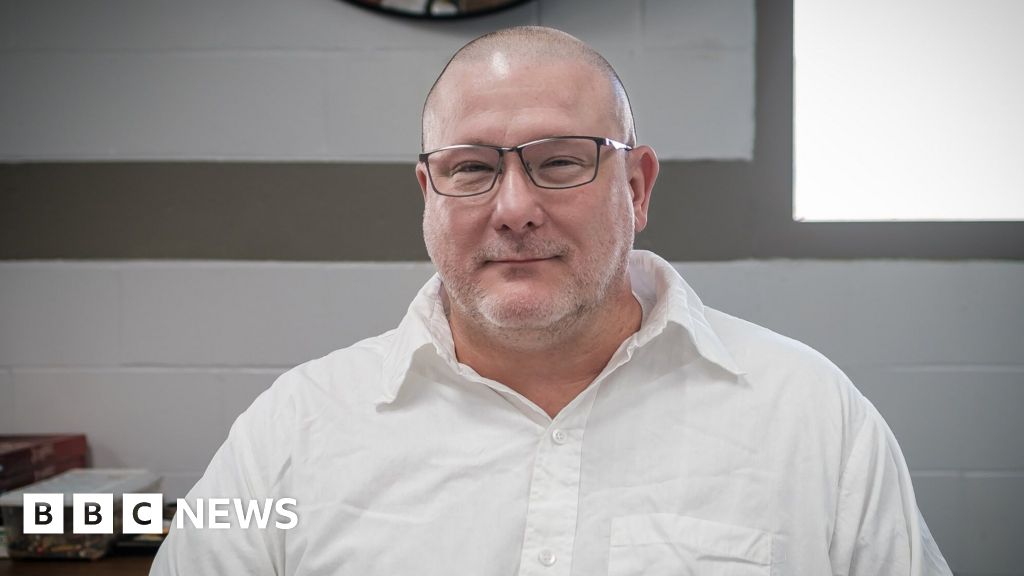
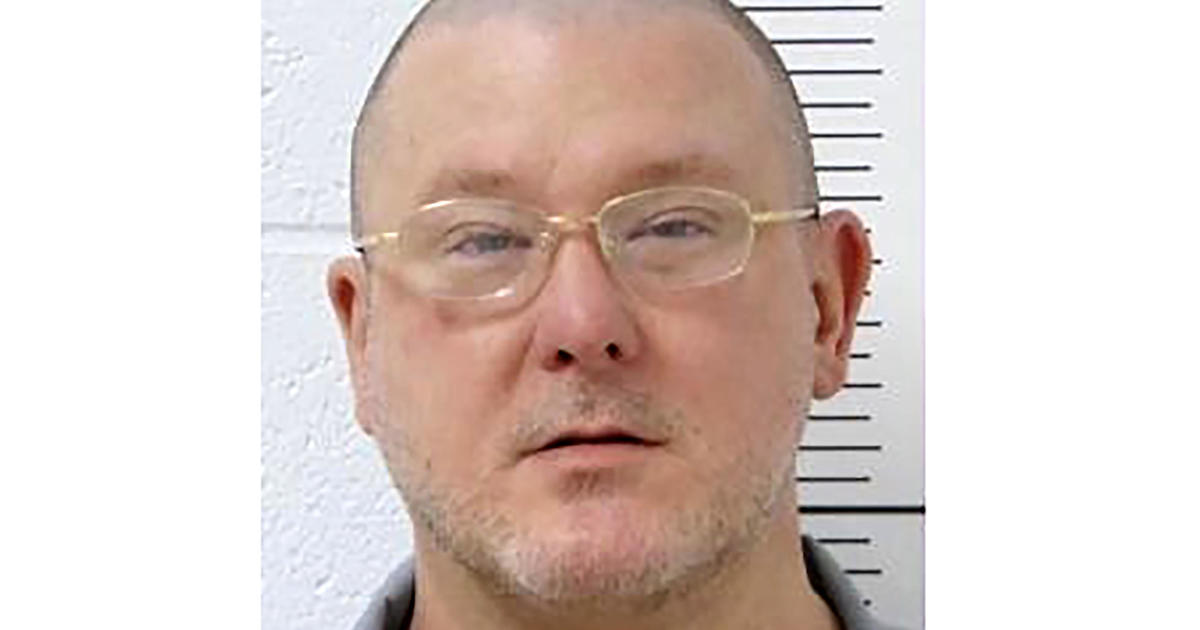
Brian Dorsey, 52, is scheduled for execution Tuesday for killing his cousin and her husband at their central Missouri home in 2006. His attorneys are seeking clemency from Gov. Mike Parson and have several appeals pending.

A federal court appeal focuses on how Missouri injects the fatal dose of pentobarbital. The written protocol calls for insertion of primary and secondary intravenous lines. But it offers no guidance on how far the execution team can go to find a suitable vein, leaving open the possibility of an invasive "cutdown procedure," Dorsey's attorneys say.

What is a "cutdown procedure"?​

The procedure involves an incision that could be several inches wide and several inches deep. Forceps are used to tear tissue away from a vein that becomes the injection point.

It's surgery," said Arin Brenner, a federal public defender and one of the attorneys representing Dorsey. "It would be surgery without anesthesia."

Brenner said Dorsey faces a higher-than-normal risk of needing a cutdown because he is obese. His veins also might be compromised because he is diabetic and a former IV drug user.

A spokesperson for Missouri Attorney General Andrew Bailey didn't comment but referred to the state's response to the appeal.

"Cut-down procedures are rarely, if ever, used under Missouri's execution protocol," the response stated. "And in the event that a cut-down procedure were necessary, medical personnel have access to pain relieving medications."

Screenshot_20240406_093207_Chrome.webp


Medication would be inadequate and if the procedure is necessary, Dorsey should receive a local anesthetic, said Megan Crane, another attorney for him.

It is extremely painful," Crane said. "Even if given an oral pain relief or an opioid, that will not relieve the pain."

Lawyers for Dorsey say the use of the surgical procedure would violate his constitutional guarantee against cruel and unusual punishment and also his right to religious freedom, because it would prevent him from having meaningful interaction with his spiritual adviser, including the administration of last rites.

The issue isn't theoretical. In Idaho, the scheduled execution of serial killer Thomas Eugene Creech in February was halted after a medical team unsuccessfully tried eight times to establish an IV. It is unclear whether, when or how the state might try again to execute him.

IV lines​


Missouri's execution process is shrouded in secrecy, so it's impossible to know if, or how often, cutdown procedures have been required. No independent observer sees the IV line inserted. The spiritual adviser doesn't enter the room until the preparation is complete. Witnesses sit in dark rooms with curtains drawn until corrections officers open them seconds before the drug is injected.

Attorneys for Dorsey wonder if a cutdown procedure was used in January 2023 when Amber McLaughlin was executed. It was believed to be the first execution of an openly transgender person in the U.S.

The Rev. Lauren Bennett of St. Louis served as McLaughlin's spiritual adviser. She recalled McLaughlin saying, "Ouch, ouch, ouch. It hurts," but said McLaughlin was unable to explain the cause of her pain before her death.

Issues with the IV have been problematic in executions elsewhere.

In 2014, Oklahoma inmate Clayton Lockett was declared dead 43 minutes after his execution began, at times writhing in pain and clenching his teeth through the process. A state investigation showed that the execution team repeatedly failed to insert an IV line in his arms, jugular vein, foot and subclavian vein in the upper torso, before eventually running a line through a vein in Lockett's groin.

The review found that Lockett died after the line came loose and that the deadly chemicals were pumped into the tissue surrounding the injection site instead of directly into his bloodstream. There is no indication in the report that Lockett was ever given an anesthetic.

In 2022, it took more than three hours to execute Joe Nathan James Jr. in Alabama. The state said the process was delayed because of difficulties establishing an IV line. Dr. Joel Zivot, a professor of anesthesiology at Emory University and an expert on lethal injection who witnessed the private autopsy, said he saw "multiple puncture sites on both arms" and two incisions in the middle of the arm, which he said were indications of efforts to perform a cutdown. It's unclear if he received anesthesia.

Messages were left Friday with corrections officials in Oklahoma and Alabama.

What did Brian Dorsey do?​

Dorsey, formerly of Jefferson City, was convicted of killing his cousin, Sarah Bonnie, and her husband, Ben, on Dec. 23, 2006, at their home near New Bloomfield. Prosecutors said that earlier that day, Dorsey called Sarah Bonnie seeking to borrow money to pay two drug dealers who were at his apartment.

Dorsey went to the Bonnies' home that night. After they went to bed, Dorsey took a shotgun from the garage and killed both of them before sexually assaulting Sarah Bonnie's body, prosecutors said.

Sarah Bonnie's parents found the bodies the next day. The couple's 4-year-old daughter was unhurt.

In the clemency petition, 72 current and former state correctional officers asked Parson, a Republican and a former county sheriff, to commute Dorsey's sentence to life in prison, citing his virtually spotless record of good behavior while in prison.

The Brian I have known for years could not hurt anyone," one officer wrote. "The Brian I know does not deserve to be executed."

A spokesperson said Parson is still reviewing the clemency request.

An appeal to the U.S. Supreme Court centers on the $12,000 flat fee for Dorsey's court-appointed trial attorneys. The appeal argues that with the flat fee, his lawyers had a financial incentive to resolve the case quickly. They encouraged Dorsey to plead guilty, but with no demand that prosecutors agree to life in prison instead of the death penalty.

Dorsey's attorneys also had asked the Missouri Supreme Court to stay the execution on the grounds that the Department of Corrections' acting director, Trevor Foley, has not been confirmed by the state Senate and is, therefore, unqualified to oversee an execution. The court denied that request Friday.
Screenshot_20240406_093207_Chrome.webp


Boo fucking whooooo. Bring back sparky stip giving these worthless fucks a shot to make them go to sleep them get to die peacefully.

 
Missouri's execution protocol allows for "surgery without anesthesia" if the typical process of finding a suitable vein to inject the lethal drug doesn't work, lawyers for a death row inmate say in an appeal aimed at sparing his life.

Brian Dorsey, 52, is scheduled for execution Tuesday for killing his cousin and her husband at their central Missouri home in 2006. His attorneys are seeking clemency from Gov. Mike Parson and have several appeals pending.

A federal court appeal focuses on how Missouri injects the fatal dose of pentobarbital. The written protocol calls for insertion of primary and secondary intravenous lines. But it offers no guidance on how far the execution team can go to find a suitable vein, leaving open the possibility of an invasive "cutdown procedure," Dorsey's attorneys say.

What is a "cutdown procedure"?​

The procedure involves an incision that could be several inches wide and several inches deep. Forceps are used to tear tissue away from a vein that becomes the injection point.

It's surgery," said Arin Brenner, a federal public defender and one of the attorneys representing Dorsey. "It would be surgery without anesthesia."

Brenner said Dorsey faces a higher-than-normal risk of needing a cutdown because he is obese. His veins also might be compromised because he is diabetic and a former IV drug user.

A spokesperson for Missouri Attorney General Andrew Bailey didn't comment but referred to the state's response to the appeal.

"Cut-down procedures are rarely, if ever, used under Missouri's execution protocol," the response stated. "And in the event that a cut-down procedure were necessary, medical personnel have access to pain relieving medications."

View attachment 770387

Medication would be inadequate and if the procedure is necessary, Dorsey should receive a local anesthetic, said Megan Crane, another attorney for him.

It is extremely painful," Crane said. "Even if given an oral pain relief or an opioid, that will not relieve the pain."

Lawyers for Dorsey say the use of the surgical procedure would violate his constitutional guarantee against cruel and unusual punishment and also his right to religious freedom, because it would prevent him from having meaningful interaction with his spiritual adviser, including the administration of last rites.

The issue isn't theoretical. In Idaho, the scheduled execution of serial killer Thomas Eugene Creech in February was halted after a medical team unsuccessfully tried eight times to establish an IV. It is unclear whether, when or how the state might try again to execute him.

IV lines​


Missouri's execution process is shrouded in secrecy, so it's impossible to know if, or how often, cutdown procedures have been required. No independent observer sees the IV line inserted. The spiritual adviser doesn't enter the room until the preparation is complete. Witnesses sit in dark rooms with curtains drawn until corrections officers open them seconds before the drug is injected.

Attorneys for Dorsey wonder if a cutdown procedure was used in January 2023 when Amber McLaughlin was executed. It was believed to be the first execution of an openly transgender person in the U.S.

The Rev. Lauren Bennett of St. Louis served as McLaughlin's spiritual adviser. She recalled McLaughlin saying, "Ouch, ouch, ouch. It hurts," but said McLaughlin was unable to explain the cause of her pain before her death.

Issues with the IV have been problematic in executions elsewhere.

In 2014, Oklahoma inmate Clayton Lockett was declared dead 43 minutes after his execution began, at times writhing in pain and clenching his teeth through the process. A state investigation showed that the execution team repeatedly failed to insert an IV line in his arms, jugular vein, foot and subclavian vein in the upper torso, before eventually running a line through a vein in Lockett's groin.

The review found that Lockett died after the line came loose and that the deadly chemicals were pumped into the tissue surrounding the injection site instead of directly into his bloodstream. There is no indication in the report that Lockett was ever given an anesthetic.

In 2022, it took more than three hours to execute Joe Nathan James Jr. in Alabama. The state said the process was delayed because of difficulties establishing an IV line. Dr. Joel Zivot, a professor of anesthesiology at Emory University and an expert on lethal injection who witnessed the private autopsy, said he saw "multiple puncture sites on both arms" and two incisions in the middle of the arm, which he said were indications of efforts to perform a cutdown. It's unclear if he received anesthesia.

Messages were left Friday with corrections officials in Oklahoma and Alabama.

What did Brian Dorsey do?​

Dorsey, formerly of Jefferson City, was convicted of killing his cousin, Sarah Bonnie, and her husband, Ben, on Dec. 23, 2006, at their home near New Bloomfield. Prosecutors said that earlier that day, Dorsey called Sarah Bonnie seeking to borrow money to pay two drug dealers who were at his apartment.

Dorsey went to the Bonnies' home that night. After they went to bed, Dorsey took a shotgun from the garage and killed both of them before sexually assaulting Sarah Bonnie's body, prosecutors said.

Sarah Bonnie's parents found the bodies the next day. The couple's 4-year-old daughter was unhurt.

In the clemency petition, 72 current and former state correctional officers asked Parson, a Republican and a former county sheriff, to commute Dorsey's sentence to life in prison, citing his virtually spotless record of good behavior while in prison.

The Brian I have known for years could not hurt anyone," one officer wrote. "The Brian I know does not deserve to be executed."

A spokesperson said Parson is still reviewing the clemency request.

An appeal to the U.S. Supreme Court centers on the $12,000 flat fee for Dorsey's court-appointed trial attorneys. The appeal argues that with the flat fee, his lawyers had a financial incentive to resolve the case quickly. They encouraged Dorsey to plead guilty, but with no demand that prosecutors agree to life in prison instead of the death penalty.

Dorsey's attorneys also had asked the Missouri Supreme Court to stay the execution on the grounds that the Department of Corrections' acting director, Trevor Foley, has not been confirmed by the state Senate and is, therefore, unqualified to oversee an execution. The court denied that request Friday.

View attachment 770387


Boo fucking whooooo. Bring back sparky stip giving these worthless fucks a shot to make them go to sleep them get to die peacefully.
He has banjo playing eyes...
 
Missouri's execution protocol allows for "surgery without anesthesia" if the typical process of finding a suitable vein to inject the lethal drug doesn't work, lawyers for a death row inmate say in an appeal aimed at sparing his life.

Brian Dorsey, 52, is scheduled for execution Tuesday for killing his cousin and her husband at their central Missouri home in 2006. His attorneys are seeking clemency from Gov. Mike Parson and have several appeals pending.

A federal court appeal focuses on how Missouri injects the fatal dose of pentobarbital. The written protocol calls for insertion of primary and secondary intravenous lines. But it offers no guidance on how far the execution team can go to find a suitable vein, leaving open the possibility of an invasive "cutdown procedure," Dorsey's attorneys say.

What is a "cutdown procedure"?​

The procedure involves an incision that could be several inches wide and several inches deep. Forceps are used to tear tissue away from a vein that becomes the injection point.

It's surgery," said Arin Brenner, a federal public defender and one of the attorneys representing Dorsey. "It would be surgery without anesthesia."

Brenner said Dorsey faces a higher-than-normal risk of needing a cutdown because he is obese. His veins also might be compromised because he is diabetic and a former IV drug user.

A spokesperson for Missouri Attorney General Andrew Bailey didn't comment but referred to the state's response to the appeal.

"Cut-down procedures are rarely, if ever, used under Missouri's execution protocol," the response stated. "And in the event that a cut-down procedure were necessary, medical personnel have access to pain relieving medications."

View attachment 770387

Medication would be inadequate and if the procedure is necessary, Dorsey should receive a local anesthetic, said Megan Crane, another attorney for him.

It is extremely painful," Crane said. "Even if given an oral pain relief or an opioid, that will not relieve the pain."

Lawyers for Dorsey say the use of the surgical procedure would violate his constitutional guarantee against cruel and unusual punishment and also his right to religious freedom, because it would prevent him from having meaningful interaction with his spiritual adviser, including the administration of last rites.

The issue isn't theoretical. In Idaho, the scheduled execution of serial killer Thomas Eugene Creech in February was halted after a medical team unsuccessfully tried eight times to establish an IV. It is unclear whether, when or how the state might try again to execute him.

IV lines​


Missouri's execution process is shrouded in secrecy, so it's impossible to know if, or how often, cutdown procedures have been required. No independent observer sees the IV line inserted. The spiritual adviser doesn't enter the room until the preparation is complete. Witnesses sit in dark rooms with curtains drawn until corrections officers open them seconds before the drug is injected.

Attorneys for Dorsey wonder if a cutdown procedure was used in January 2023 when Amber McLaughlin was executed. It was believed to be the first execution of an openly transgender person in the U.S.

The Rev. Lauren Bennett of St. Louis served as McLaughlin's spiritual adviser. She recalled McLaughlin saying, "Ouch, ouch, ouch. It hurts," but said McLaughlin was unable to explain the cause of her pain before her death.

Issues with the IV have been problematic in executions elsewhere.

In 2014, Oklahoma inmate Clayton Lockett was declared dead 43 minutes after his execution began, at times writhing in pain and clenching his teeth through the process. A state investigation showed that the execution team repeatedly failed to insert an IV line in his arms, jugular vein, foot and subclavian vein in the upper torso, before eventually running a line through a vein in Lockett's groin.

The review found that Lockett died after the line came loose and that the deadly chemicals were pumped into the tissue surrounding the injection site instead of directly into his bloodstream. There is no indication in the report that Lockett was ever given an anesthetic.

In 2022, it took more than three hours to execute Joe Nathan James Jr. in Alabama. The state said the process was delayed because of difficulties establishing an IV line. Dr. Joel Zivot, a professor of anesthesiology at Emory University and an expert on lethal injection who witnessed the private autopsy, said he saw "multiple puncture sites on both arms" and two incisions in the middle of the arm, which he said were indications of efforts to perform a cutdown. It's unclear if he received anesthesia.

Messages were left Friday with corrections officials in Oklahoma and Alabama.

What did Brian Dorsey do?​

Dorsey, formerly of Jefferson City, was convicted of killing his cousin, Sarah Bonnie, and her husband, Ben, on Dec. 23, 2006, at their home near New Bloomfield. Prosecutors said that earlier that day, Dorsey called Sarah Bonnie seeking to borrow money to pay two drug dealers who were at his apartment.

Dorsey went to the Bonnies' home that night. After they went to bed, Dorsey took a shotgun from the garage and killed both of them before sexually assaulting Sarah Bonnie's body, prosecutors said.

Sarah Bonnie's parents found the bodies the next day. The couple's 4-year-old daughter was unhurt.

In the clemency petition, 72 current and former state correctional officers asked Parson, a Republican and a former county sheriff, to commute Dorsey's sentence to life in prison, citing his virtually spotless record of good behavior while in prison.

The Brian I have known for years could not hurt anyone," one officer wrote. "The Brian I know does not deserve to be executed."

A spokesperson said Parson is still reviewing the clemency request.

An appeal to the U.S. Supreme Court centers on the $12,000 flat fee for Dorsey's court-appointed trial attorneys. The appeal argues that with the flat fee, his lawyers had a financial incentive to resolve the case quickly. They encouraged Dorsey to plead guilty, but with no demand that prosecutors agree to life in prison instead of the death penalty.

Dorsey's attorneys also had asked the Missouri Supreme Court to stay the execution on the grounds that the Department of Corrections' acting director, Trevor Foley, has not been confirmed by the state Senate and is, therefore, unqualified to oversee an execution. The court denied that request Friday.

View attachment 770387


Boo fucking whooooo. Bring back sparky stip giving these worthless fucks a shot to make them go to sleep them get to die peacefully.
Yeah we need to bring back ol sparky or possibly a gas chamber to roast this cousin fucker in
 
Missouri's execution protocol allows for "surgery without anesthesia" if the typical process of finding a suitable vein to inject the lethal drug doesn't work, lawyers for a death row inmate say in an appeal aimed at sparing his life.

Brian Dorsey, 52, is scheduled for execution Tuesday for killing his cousin and her husband at their central Missouri home in 2006. His attorneys are seeking clemency from Gov. Mike Parson and have several appeals pending.

A federal court appeal focuses on how Missouri injects the fatal dose of pentobarbital. The written protocol calls for insertion of primary and secondary intravenous lines. But it offers no guidance on how far the execution team can go to find a suitable vein, leaving open the possibility of an invasive "cutdown procedure," Dorsey's attorneys say.

What is a "cutdown procedure"?​

The procedure involves an incision that could be several inches wide and several inches deep. Forceps are used to tear tissue away from a vein that becomes the injection point.

It's surgery," said Arin Brenner, a federal public defender and one of the attorneys representing Dorsey. "It would be surgery without anesthesia."

Brenner said Dorsey faces a higher-than-normal risk of needing a cutdown because he is obese. His veins also might be compromised because he is diabetic and a former IV drug user.

A spokesperson for Missouri Attorney General Andrew Bailey didn't comment but referred to the state's response to the appeal.

"Cut-down procedures are rarely, if ever, used under Missouri's execution protocol," the response stated. "And in the event that a cut-down procedure were necessary, medical personnel have access to pain relieving medications."

View attachment 770387

Medication would be inadequate and if the procedure is necessary, Dorsey should receive a local anesthetic, said Megan Crane, another attorney for him.

It is extremely painful," Crane said. "Even if given an oral pain relief or an opioid, that will not relieve the pain."

Lawyers for Dorsey say the use of the surgical procedure would violate his constitutional guarantee against cruel and unusual punishment and also his right to religious freedom, because it would prevent him from having meaningful interaction with his spiritual adviser, including the administration of last rites.

The issue isn't theoretical. In Idaho, the scheduled execution of serial killer Thomas Eugene Creech in February was halted after a medical team unsuccessfully tried eight times to establish an IV. It is unclear whether, when or how the state might try again to execute him.

IV lines​


Missouri's execution process is shrouded in secrecy, so it's impossible to know if, or how often, cutdown procedures have been required. No independent observer sees the IV line inserted. The spiritual adviser doesn't enter the room until the preparation is complete. Witnesses sit in dark rooms with curtains drawn until corrections officers open them seconds before the drug is injected.

Attorneys for Dorsey wonder if a cutdown procedure was used in January 2023 when Amber McLaughlin was executed. It was believed to be the first execution of an openly transgender person in the U.S.

The Rev. Lauren Bennett of St. Louis served as McLaughlin's spiritual adviser. She recalled McLaughlin saying, "Ouch, ouch, ouch. It hurts," but said McLaughlin was unable to explain the cause of her pain before her death.

Issues with the IV have been problematic in executions elsewhere.

In 2014, Oklahoma inmate Clayton Lockett was declared dead 43 minutes after his execution began, at times writhing in pain and clenching his teeth through the process. A state investigation showed that the execution team repeatedly failed to insert an IV line in his arms, jugular vein, foot and subclavian vein in the upper torso, before eventually running a line through a vein in Lockett's groin.

The review found that Lockett died after the line came loose and that the deadly chemicals were pumped into the tissue surrounding the injection site instead of directly into his bloodstream. There is no indication in the report that Lockett was ever given an anesthetic.

In 2022, it took more than three hours to execute Joe Nathan James Jr. in Alabama. The state said the process was delayed because of difficulties establishing an IV line. Dr. Joel Zivot, a professor of anesthesiology at Emory University and an expert on lethal injection who witnessed the private autopsy, said he saw "multiple puncture sites on both arms" and two incisions in the middle of the arm, which he said were indications of efforts to perform a cutdown. It's unclear if he received anesthesia.

Messages were left Friday with corrections officials in Oklahoma and Alabama.

What did Brian Dorsey do?​

Dorsey, formerly of Jefferson City, was convicted of killing his cousin, Sarah Bonnie, and her husband, Ben, on Dec. 23, 2006, at their home near New Bloomfield. Prosecutors said that earlier that day, Dorsey called Sarah Bonnie seeking to borrow money to pay two drug dealers who were at his apartment.

Dorsey went to the Bonnies' home that night. After they went to bed, Dorsey took a shotgun from the garage and killed both of them before sexually assaulting Sarah Bonnie's body, prosecutors said.

Sarah Bonnie's parents found the bodies the next day. The couple's 4-year-old daughter was unhurt.

In the clemency petition, 72 current and former state correctional officers asked Parson, a Republican and a former county sheriff, to commute Dorsey's sentence to life in prison, citing his virtually spotless record of good behavior while in prison.

The Brian I have known for years could not hurt anyone," one officer wrote. "The Brian I know does not deserve to be executed."

A spokesperson said Parson is still reviewing the clemency request.

An appeal to the U.S. Supreme Court centers on the $12,000 flat fee for Dorsey's court-appointed trial attorneys. The appeal argues that with the flat fee, his lawyers had a financial incentive to resolve the case quickly. They encouraged Dorsey to plead guilty, but with no demand that prosecutors agree to life in prison instead of the death penalty.

Dorsey's attorneys also had asked the Missouri Supreme Court to stay the execution on the grounds that the Department of Corrections' acting director, Trevor Foley, has not been confirmed by the state Senate and is, therefore, unqualified to oversee an execution. The court denied that request Friday.

View attachment 770387


Boo fucking whooooo. Bring back sparky stip giving these worthless fucks a shot to make them go to sleep them get to die peacefully.
The USA, land of a thousand murders and they don't know how to put one man to death? Read it and weep.
 
Missouri's execution protocol allows for "surgery without anesthesia" if the typical process of finding a suitable vein to inject the lethal drug doesn't work, lawyers for a death row inmate say in an appeal aimed at sparing his life.

Brian Dorsey, 52, is scheduled for execution Tuesday for killing his cousin and her husband at their central Missouri home in 2006. His attorneys are seeking clemency from Gov. Mike Parson and have several appeals pending.

A federal court appeal focuses on how Missouri injects the fatal dose of pentobarbital. The written protocol calls for insertion of primary and secondary intravenous lines. But it offers no guidance on how far the execution team can go to find a suitable vein, leaving open the possibility of an invasive "cutdown procedure," Dorsey's attorneys say.

What is a "cutdown procedure"?​

The procedure involves an incision that could be several inches wide and several inches deep. Forceps are used to tear tissue away from a vein that becomes the injection point.

It's surgery," said Arin Brenner, a federal public defender and one of the attorneys representing Dorsey. "It would be surgery without anesthesia."

Brenner said Dorsey faces a higher-than-normal risk of needing a cutdown because he is obese. His veins also might be compromised because he is diabetic and a former IV drug user.

A spokesperson for Missouri Attorney General Andrew Bailey didn't comment but referred to the state's response to the appeal.

"Cut-down procedures are rarely, if ever, used under Missouri's execution protocol," the response stated. "And in the event that a cut-down procedure were necessary, medical personnel have access to pain relieving medications."

View attachment 770387

Medication would be inadequate and if the procedure is necessary, Dorsey should receive a local anesthetic, said Megan Crane, another attorney for him.

It is extremely painful," Crane said. "Even if given an oral pain relief or an opioid, that will not relieve the pain."

Lawyers for Dorsey say the use of the surgical procedure would violate his constitutional guarantee against cruel and unusual punishment and also his right to religious freedom, because it would prevent him from having meaningful interaction with his spiritual adviser, including the administration of last rites.

The issue isn't theoretical. In Idaho, the scheduled execution of serial killer Thomas Eugene Creech in February was halted after a medical team unsuccessfully tried eight times to establish an IV. It is unclear whether, when or how the state might try again to execute him.

IV lines​


Missouri's execution process is shrouded in secrecy, so it's impossible to know if, or how often, cutdown procedures have been required. No independent observer sees the IV line inserted. The spiritual adviser doesn't enter the room until the preparation is complete. Witnesses sit in dark rooms with curtains drawn until corrections officers open them seconds before the drug is injected.

Attorneys for Dorsey wonder if a cutdown procedure was used in January 2023 when Amber McLaughlin was executed. It was believed to be the first execution of an openly transgender person in the U.S.

The Rev. Lauren Bennett of St. Louis served as McLaughlin's spiritual adviser. She recalled McLaughlin saying, "Ouch, ouch, ouch. It hurts," but said McLaughlin was unable to explain the cause of her pain before her death.

Issues with the IV have been problematic in executions elsewhere.

In 2014, Oklahoma inmate Clayton Lockett was declared dead 43 minutes after his execution began, at times writhing in pain and clenching his teeth through the process. A state investigation showed that the execution team repeatedly failed to insert an IV line in his arms, jugular vein, foot and subclavian vein in the upper torso, before eventually running a line through a vein in Lockett's groin.

The review found that Lockett died after the line came loose and that the deadly chemicals were pumped into the tissue surrounding the injection site instead of directly into his bloodstream. There is no indication in the report that Lockett was ever given an anesthetic.

In 2022, it took more than three hours to execute Joe Nathan James Jr. in Alabama. The state said the process was delayed because of difficulties establishing an IV line. Dr. Joel Zivot, a professor of anesthesiology at Emory University and an expert on lethal injection who witnessed the private autopsy, said he saw "multiple puncture sites on both arms" and two incisions in the middle of the arm, which he said were indications of efforts to perform a cutdown. It's unclear if he received anesthesia.

Messages were left Friday with corrections officials in Oklahoma and Alabama.

What did Brian Dorsey do?​

Dorsey, formerly of Jefferson City, was convicted of killing his cousin, Sarah Bonnie, and her husband, Ben, on Dec. 23, 2006, at their home near New Bloomfield. Prosecutors said that earlier that day, Dorsey called Sarah Bonnie seeking to borrow money to pay two drug dealers who were at his apartment.

Dorsey went to the Bonnies' home that night. After they went to bed, Dorsey took a shotgun from the garage and killed both of them before sexually assaulting Sarah Bonnie's body, prosecutors said.

Sarah Bonnie's parents found the bodies the next day. The couple's 4-year-old daughter was unhurt.

In the clemency petition, 72 current and former state correctional officers asked Parson, a Republican and a former county sheriff, to commute Dorsey's sentence to life in prison, citing his virtually spotless record of good behavior while in prison.

The Brian I have known for years could not hurt anyone," one officer wrote. "The Brian I know does not deserve to be executed."

A spokesperson said Parson is still reviewing the clemency request.

An appeal to the U.S. Supreme Court centers on the $12,000 flat fee for Dorsey's court-appointed trial attorneys. The appeal argues that with the flat fee, his lawyers had a financial incentive to resolve the case quickly. They encouraged Dorsey to plead guilty, but with no demand that prosecutors agree to life in prison instead of the death penalty.

Dorsey's attorneys also had asked the Missouri Supreme Court to stay the execution on the grounds that the Department of Corrections' acting director, Trevor Foley, has not been confirmed by the state Senate and is, therefore, unqualified to oversee an execution. The court denied that request Friday.

View attachment 770387


Boo fucking whooooo. Bring back sparky stip giving these worthless fucks a shot to make them go to sleep them get to die peacefully.
It was alleged that he raped his dead cousins body... so no tears for this one.

 
The gibbetting cage should be used for these guys. Death Row inmates should only have 5 years to appeal, after which, they should be placed on display outside the prison in a gibbetting cage where they are locked up 40 feet in the sky with no food or water, exposed to the elements until they die. Then they should stay in the cage until their flesh rots completely away. Their skeleton should be collected and donated to local elementary, junior and high schools to remind children what happens when ya fuck around and find out.
 
Missouri's execution protocol allows for "surgery without anesthesia" if the typical process of finding a suitable vein to inject the lethal drug doesn't work, lawyers for a death row inmate say in an appeal aimed at sparing his life.

Brian Dorsey, 52, is scheduled for execution Tuesday for killing his cousin and her husband at their central Missouri home in 2006. His attorneys are seeking clemency from Gov. Mike Parson and have several appeals pending.

A federal court appeal focuses on how Missouri injects the fatal dose of pentobarbital. The written protocol calls for insertion of primary and secondary intravenous lines. But it offers no guidance on how far the execution team can go to find a suitable vein, leaving open the possibility of an invasive "cu procedure," Dorsey's attorneys say.

What is a "cutdown procedure"?​

The procedure involves an incision that could be several inches wide and several inches deep. Forceps are used to tear tissue away from a vein that becomes the injection point.

It's surgery," said Arin Brenner, a federal public defender and one of the attorneys representing Dorsey. "It would be surgery without anesthesia."

Brenner said Dorsey faces a higher-than-normal risk of needing a cutdown because he is obese. His veins also might be compromised because he is diabetic and a former IV drug user.

A spokesperson for Missouri Attorney General Andrew Bailey didn't comment but referred to the state's response to the appeal.

"Cut-down procedures are rarely, if ever, used under Missouri's execution protocol," the response stated. "And in the event that a cut-down procedure were necessary, medical personnel have access to pain relieving medications."

View attachment 770387

Medication would be inadequate and if the procedure is necessary, Dorsey should receive a local anesthetic, said Megan Crane, another attorney for him.

It is extremely painful," Crane said. "Even if given an oral pain relief or an opioid, that will not relieve the pain."

Lawyers for Dorsey say the use of the surgical procedure would violate his constitutional guarantee against cruel and unusual punishment and also his right to religious freedom, because it would prevent him from having meaningful interaction with his spiritual adviser, including the administration of last rites.

The issue isn't theoretical. In Idaho, the scheduled execution of serial killer Thomas Eugene Creech in February was halted after a medical team unsuccessfully tried eight times to establish an IV. It is unclear whether, when or how the state might try again to execute him.

IV lines​


Missouri's execution process is shrouded in secrecy, so it's impossible to know if, or how often, cutdown procedures have been required. No independent observer sees the IV line inserted. The spiritual adviser doesn't enter the room until the preparation is complete. Witnesses sit in dark rooms with curtains drawn until corrections officers open them seconds before the drug is injected.

Attorneys for Dorsey wonder if a cutdown procedure was used in January 2023 when Amber McLaughlin was executed. It was believed to be the first execution of an openly transgender person in the U.S.

The Rev. Lauren Bennett of St. Louis served as McLaughlin's spiritual adviser. She recalled McLaughlin saying, "Ouch, ouch, ouch. It hurts," but said McLaughlin was unable to explain the cause of her pain before her death.

Issues with the IV have been problematic in executions elsewhere.

In 2014, Oklahoma inmate Clayton Lockett was declared dead 43 minutes after his execution began, at times writhing in pain and clenching his teeth through the process. A state investigation showed that the execution team repeatedly failed to insert an IV line in his arms, jugular vein, foot and subclavian vein in the upper torso, before eventually running a line through a vein in Lockett's groin.

The review found that Lockett died after the line came loose and that the deadly chemicals were pumped into the tissue surrounding the injection site instead of directly into his bloodstream. There is no indication in the report that Lockett was ever given an anesthetic.

In 2022, it took more than three hours to execute Joe Nathan James Jr. in Alabama. The state said the process was delayed because of difficulties establishing an IV line. Dr. Joel Zivot, a professor of anesthesiology at Emory University and an expert on lethal injection who witnessed the private autopsy, said he saw "multiple puncture sites on both arms" and two incisions in the middle of the arm, which he said were indications of efforts to perform a cutdown. It's unclear if he received anesthesia.

Messages were left Friday with corrections officials in Oklahoma and Alabama.

What did Brian Dorsey do?​

Dorsey, formerly of Jefferson City, was convicted of killing his cousin, Sarah Bonnie, and her husband, Ben, on Dec. 23, 2006, at their home near New Bloomfield. Prosecutors said that earlier that day, Dorsey called Sarah Bonnie seeking to borrow money to pay two drug dealers who were at his apartment.

Dorsey went to the Bonnies' home that night. After they went to bed, Dorsey took a shotgun from the garage and killed both of them before sexually assaulting Sarah Bonnie's body, prosecutors said.

Sarah Bonnie's parents found the bodies the next day. The couple's 4-year-old daughter was unhurt.

In the clemency petition, 72 current and former state correctional officers asked Parson, a Republican and a former county sheriff, to commute Dorsey's sentence to life in prison, citing his virtually spotless record of good behavior while in prison.

The Brian I have known for years could not hurt anyone," one officer wrote. "The Brian I know does not deserve to be executed."

A spokesperson said Parson is still reviewing the clemency request.

An appeal to the U.S. Supreme Court centers on the $12,000 flat fee for Dorsey's court-appointed trial attorneys. The appeal argues that with the flat fee, his lawyers had a financial incentive to resolve the case quickly. They encouraged Dorsey to plead guilty, but with no demand that prosecutors agree to life in prison instead of the death penalty.

Dorsey's attorneys also had asked the Missouri Supreme Court to stay the execution on the grounds that the Department of Corrections' acting director, Trevor Foley, has not been confirmed by the state Senate and is, therefore, unqualified to oversee an execution. The court denied that request Friday.

View attachment 770387


Boo fucking whooooo. Bring back sparky stip giving these worthless fucks a shot to make them go to sleep them get to die peacefully.

A BS claim from a desperate anti DP attorney. Cutdowns involve dissecting thru fat and other tissue to access a vein. Lidocaine with epinephrine is injected at the site to eliminate the pain and stop bleeding. The same amount of lidocaine used when suturing or stapeling a laceration.
Calling a cutdown a “surgical procedure”requiring more than some numbing medication is total BS. Opioids have no place here.

Saying the incision could be “several inches wide and several inches deep” is correct in theory, but super rare. Is this guy a “my 1,000 lb life” material?

Think of having a wound on your arm sewed up at the local ER. That’s what we are talking about. Do they fill you up with fentanyl and knock you out? Nope, just numb the area and get to sewing.

Hell, they don’t even need to create a sterile field with this guy. He won’t live to get infected.

Kill the fuck. He deserves it.

He didn't give his victims any anesthesia. Just shoot him like he did his victims.
Then rape his dead body too? They used to advertise for firing squad volunteers for executions in Utah. I would love to see that advertisement…”wanted, necrophiliac type to have postmortem sex with 600 lb man…pay $25 per penetration and $50 per ejaculation. Experience with dead assholes preferably…”
 
Last edited:
Back
Top