
Follow along with the video below to see how to install our site as a web app on your home screen.
Note: This feature may not be available in some browsers.
-
Adults Only Website 18+
If you are under 18 you are not permitted to submit personal information to us or use this website. If discovered you will be banned.
We will ban and report anyone posting illegal content.
We will ban any forum user who breaks our terms.
Freedom of speech should be wide open as long as it doesn't incite violence.
We have a 15 year old thriving community here with 400,000+ members and hundreds of people online at any given moment, we encourage you to join!, there are 1000's of topics to discuss. Please be aware before registering and read our terms of service and privacy policy.
By dismissing this notice and proceeding, you agree to the above.
You should upgrade or use an alternative browser.


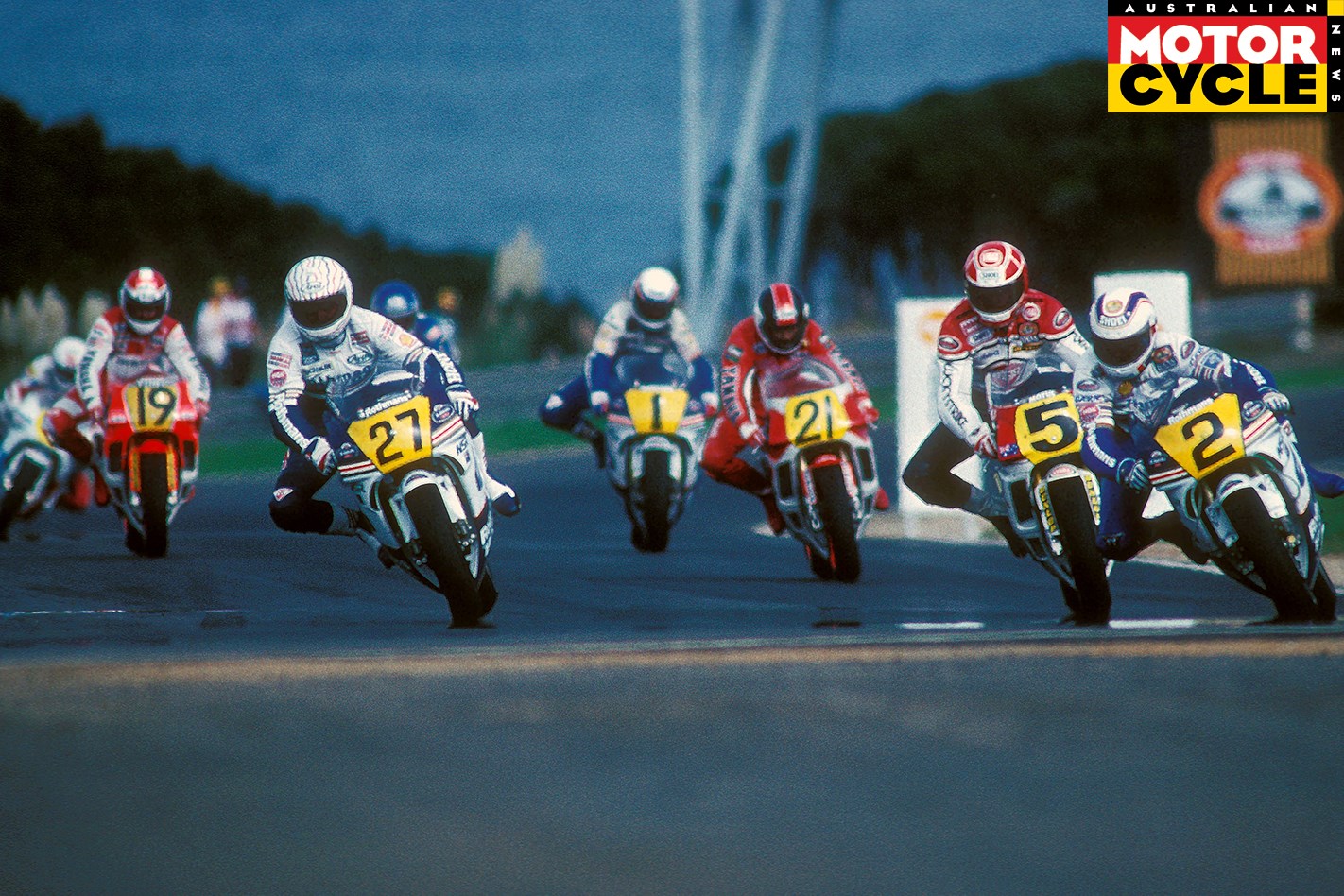
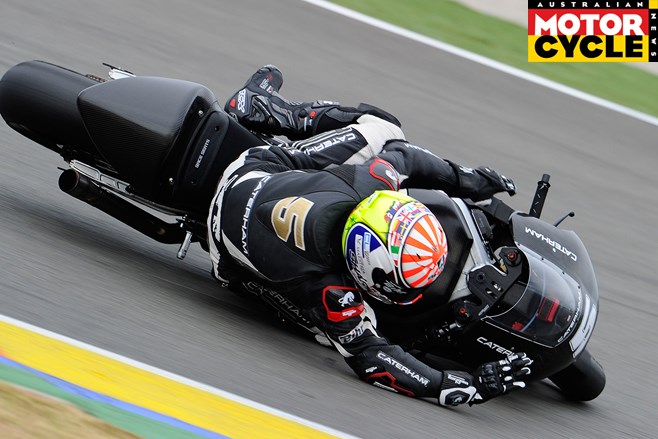
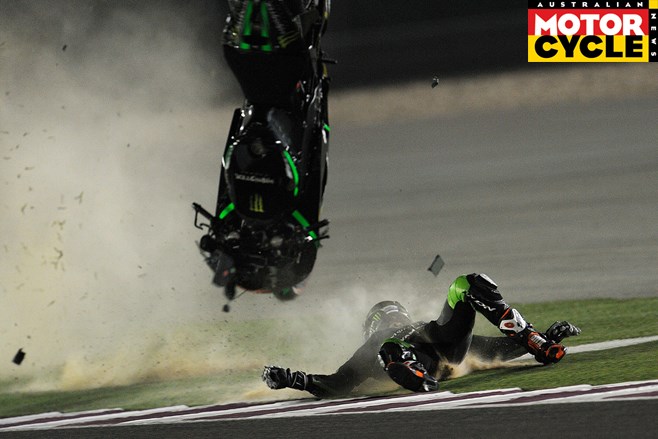
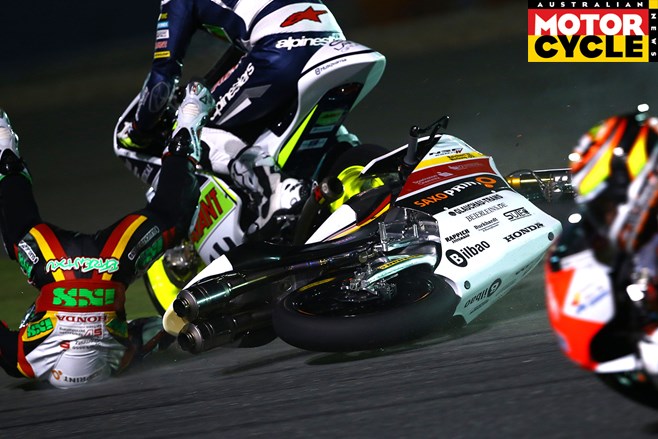
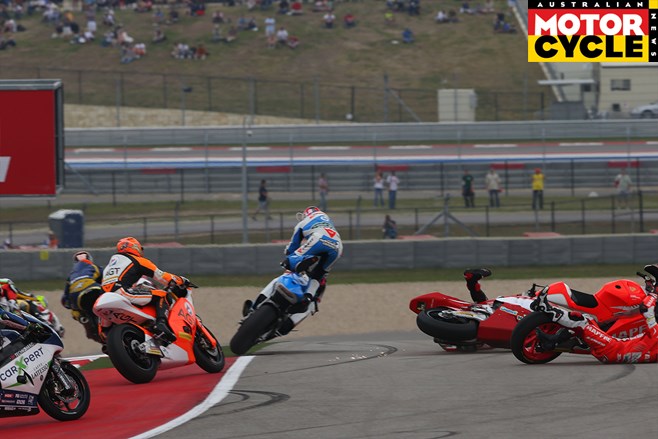
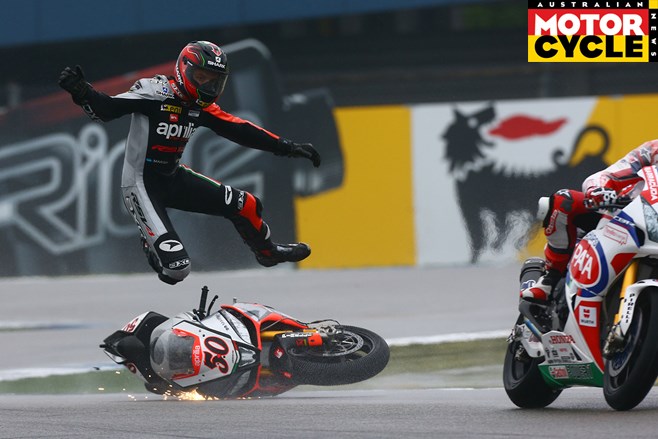
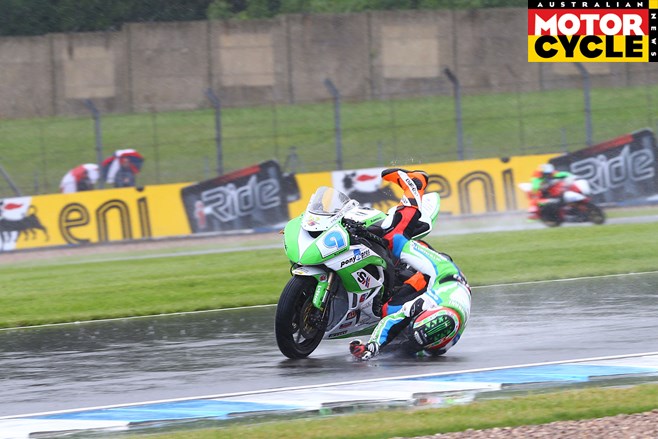
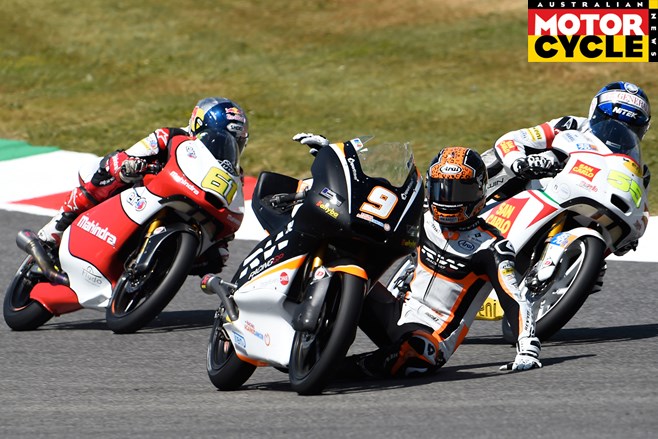
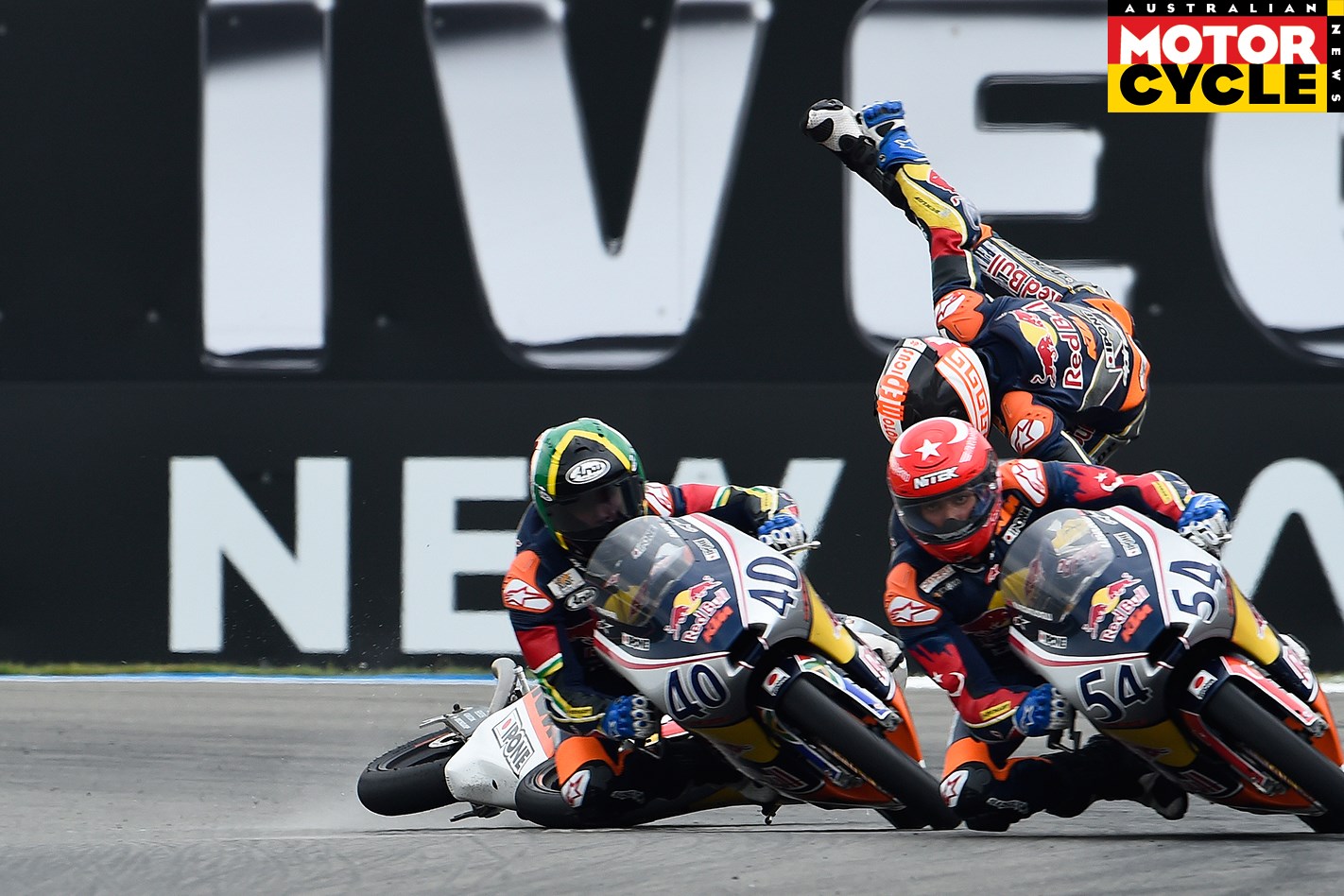
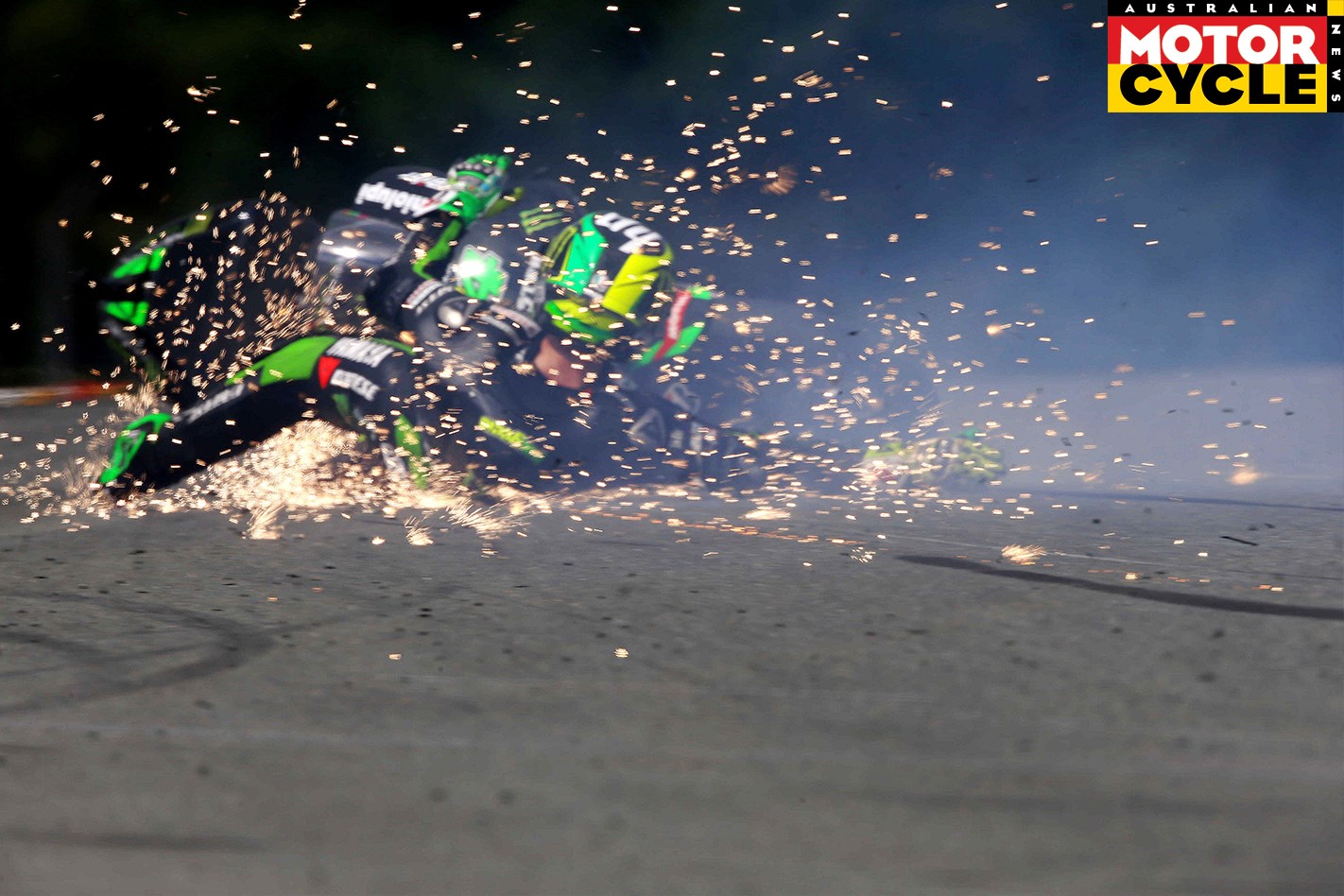
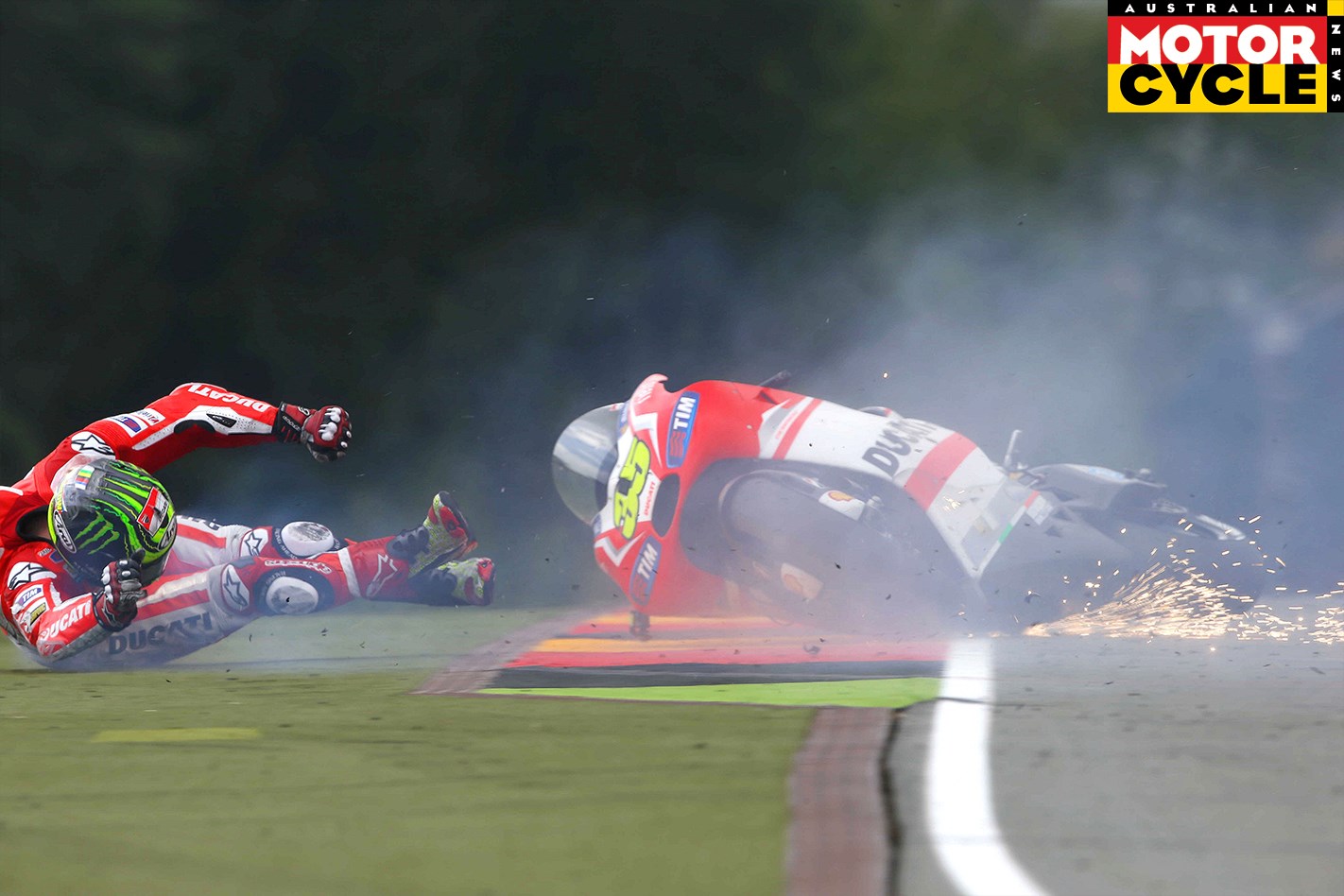
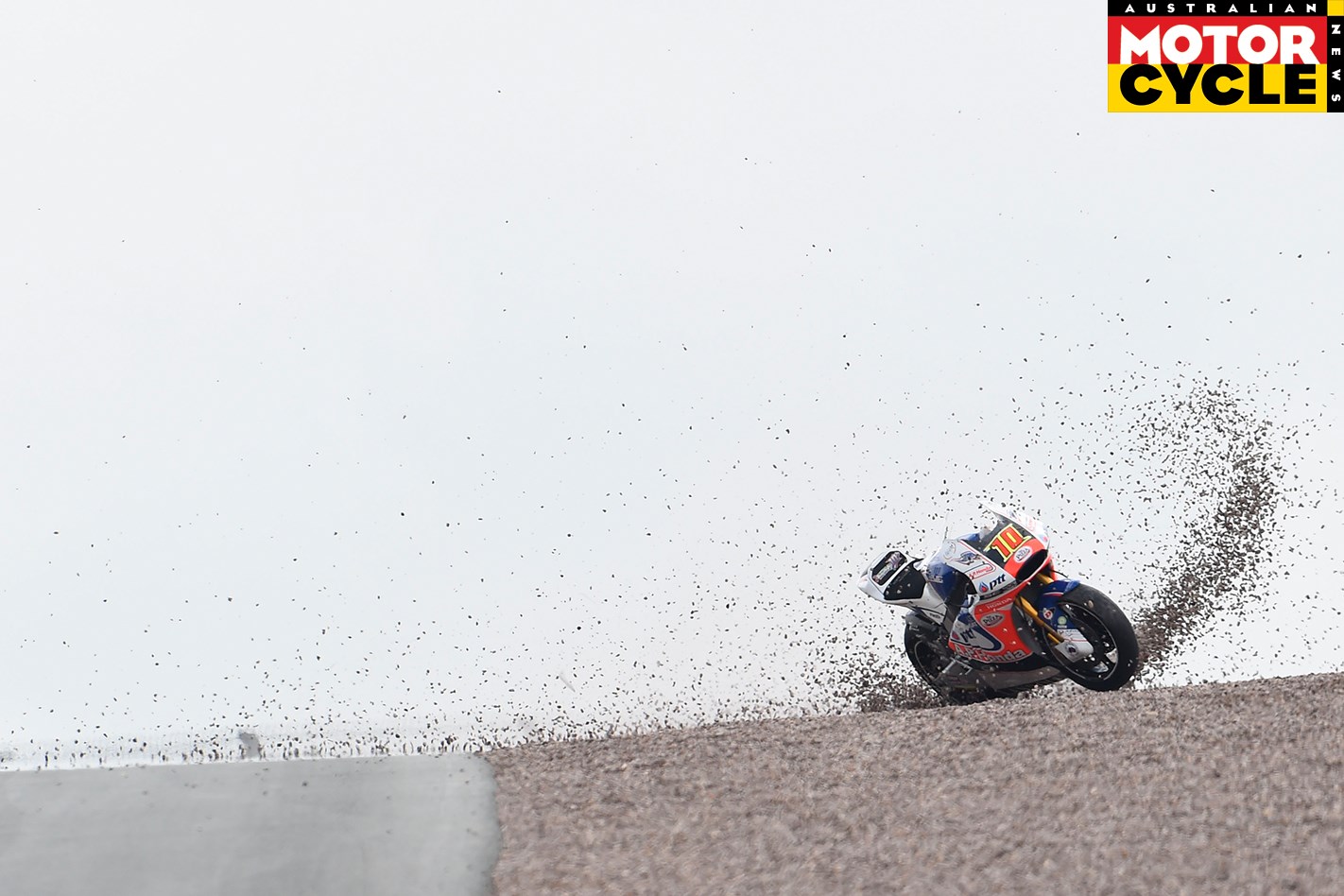
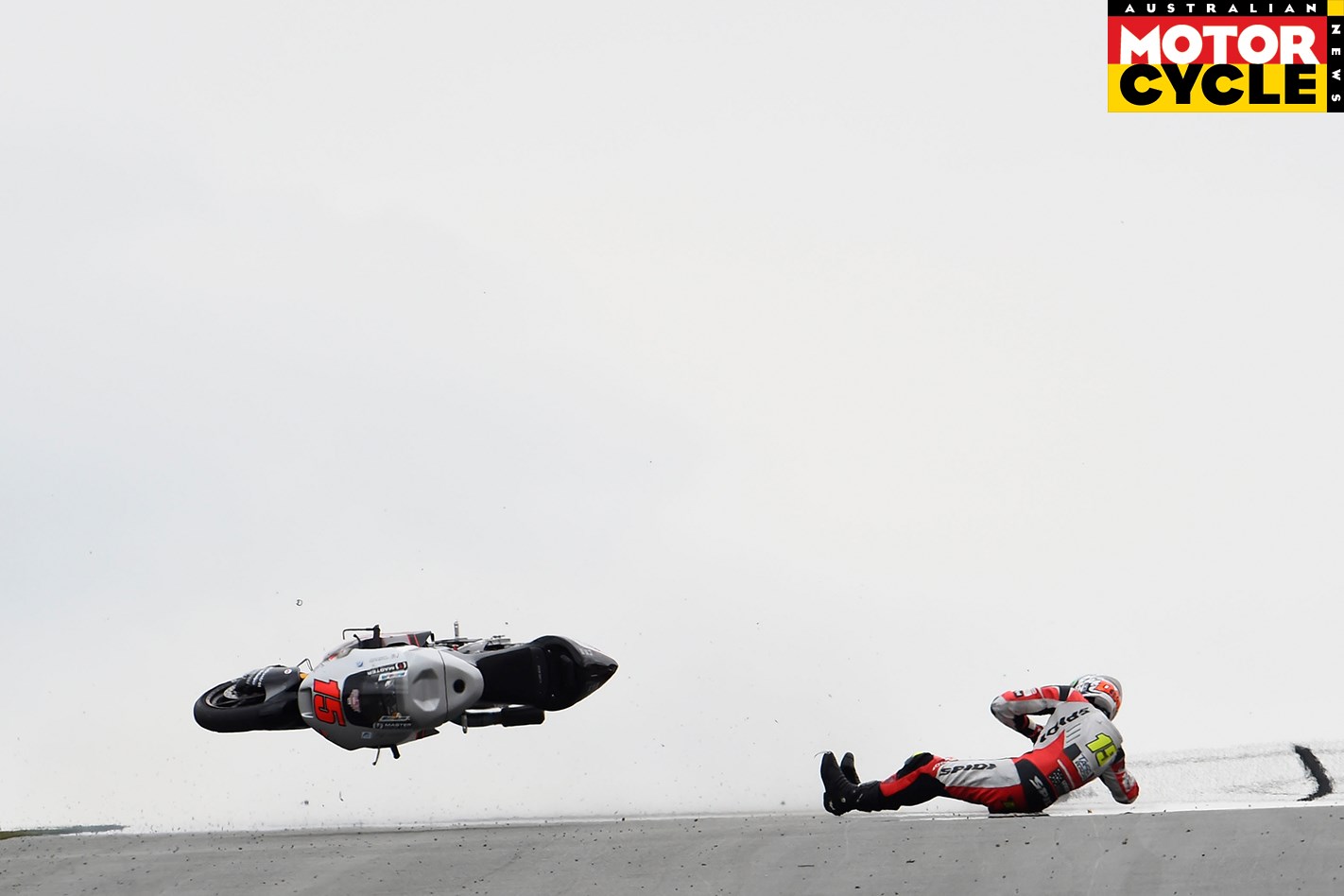
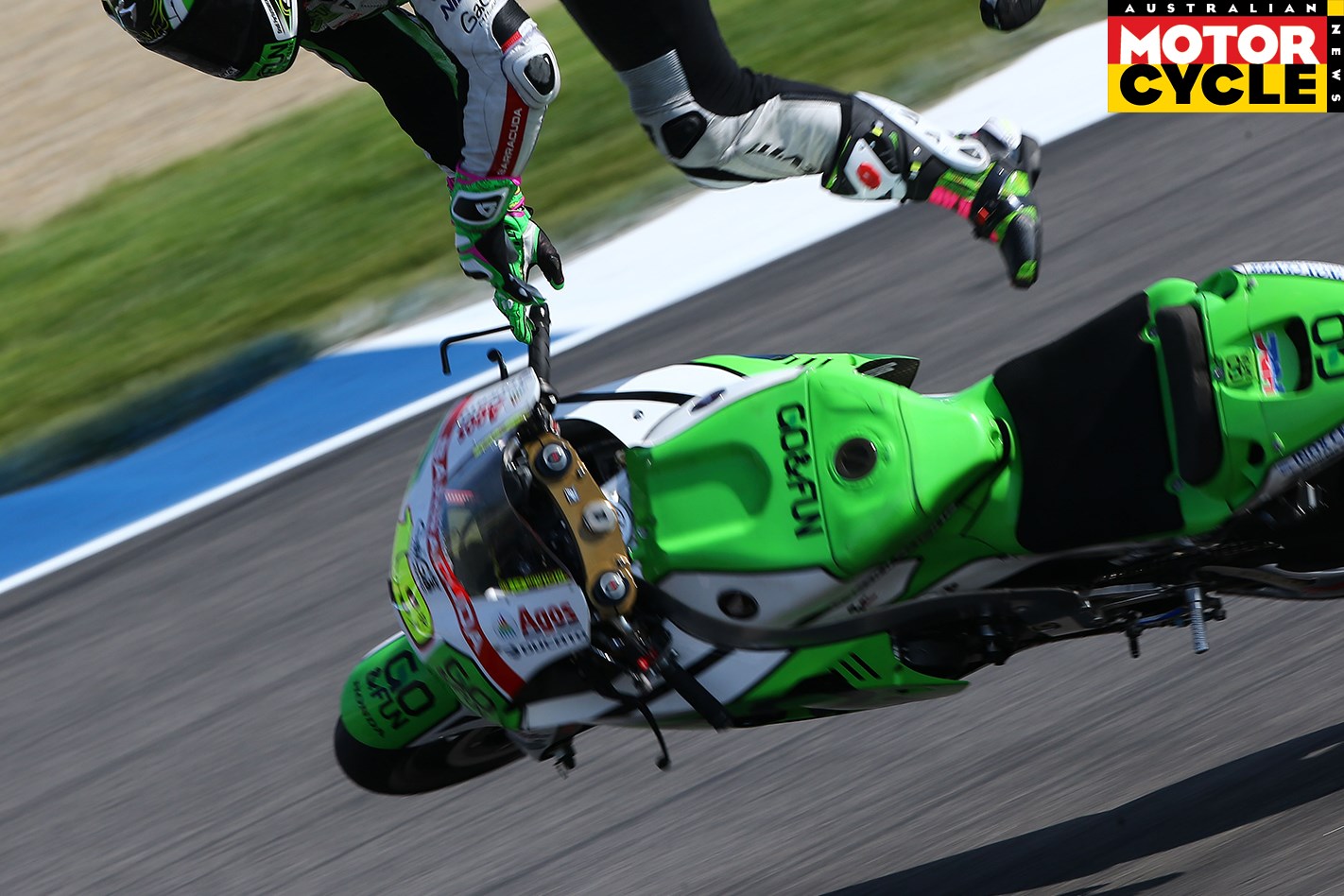
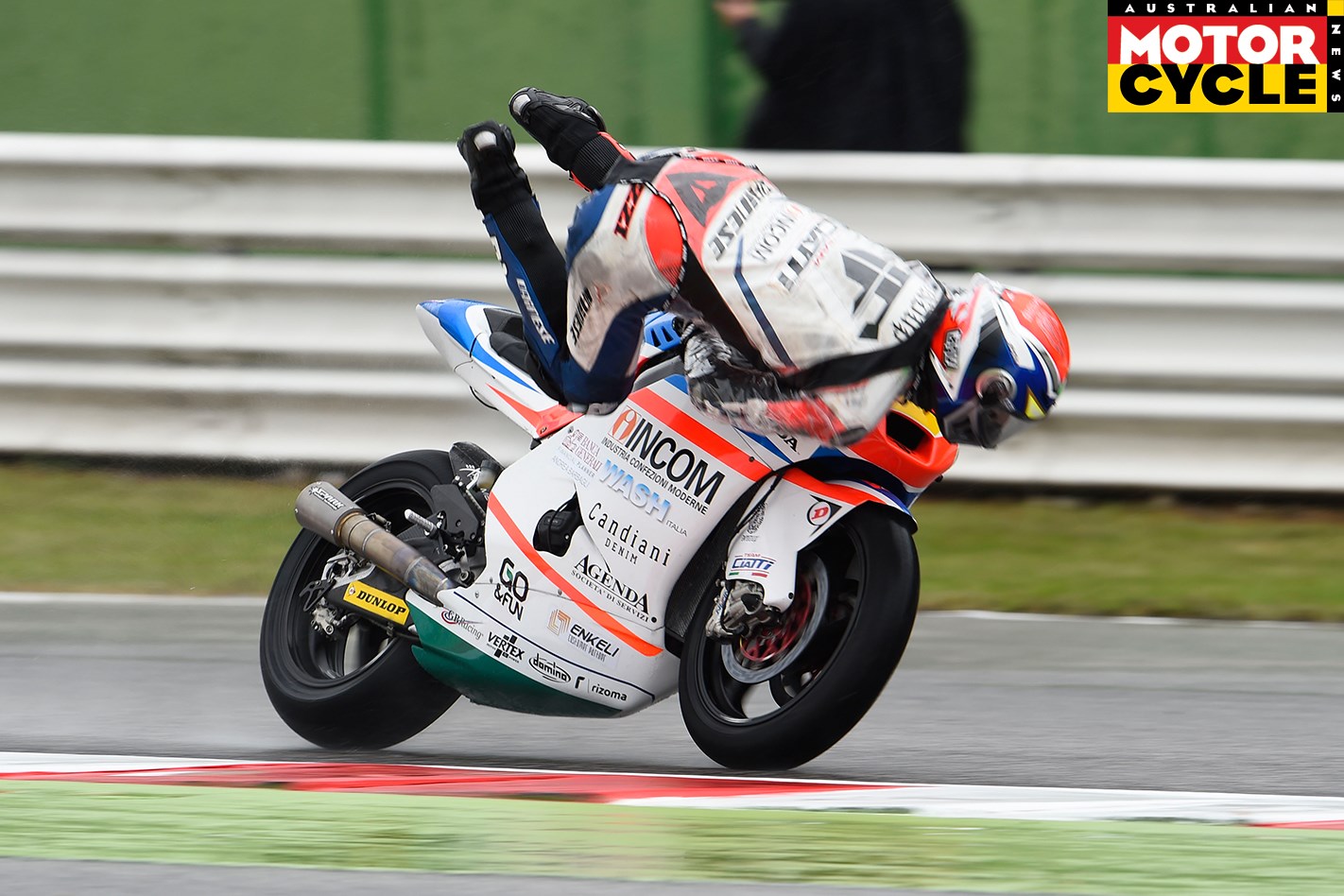
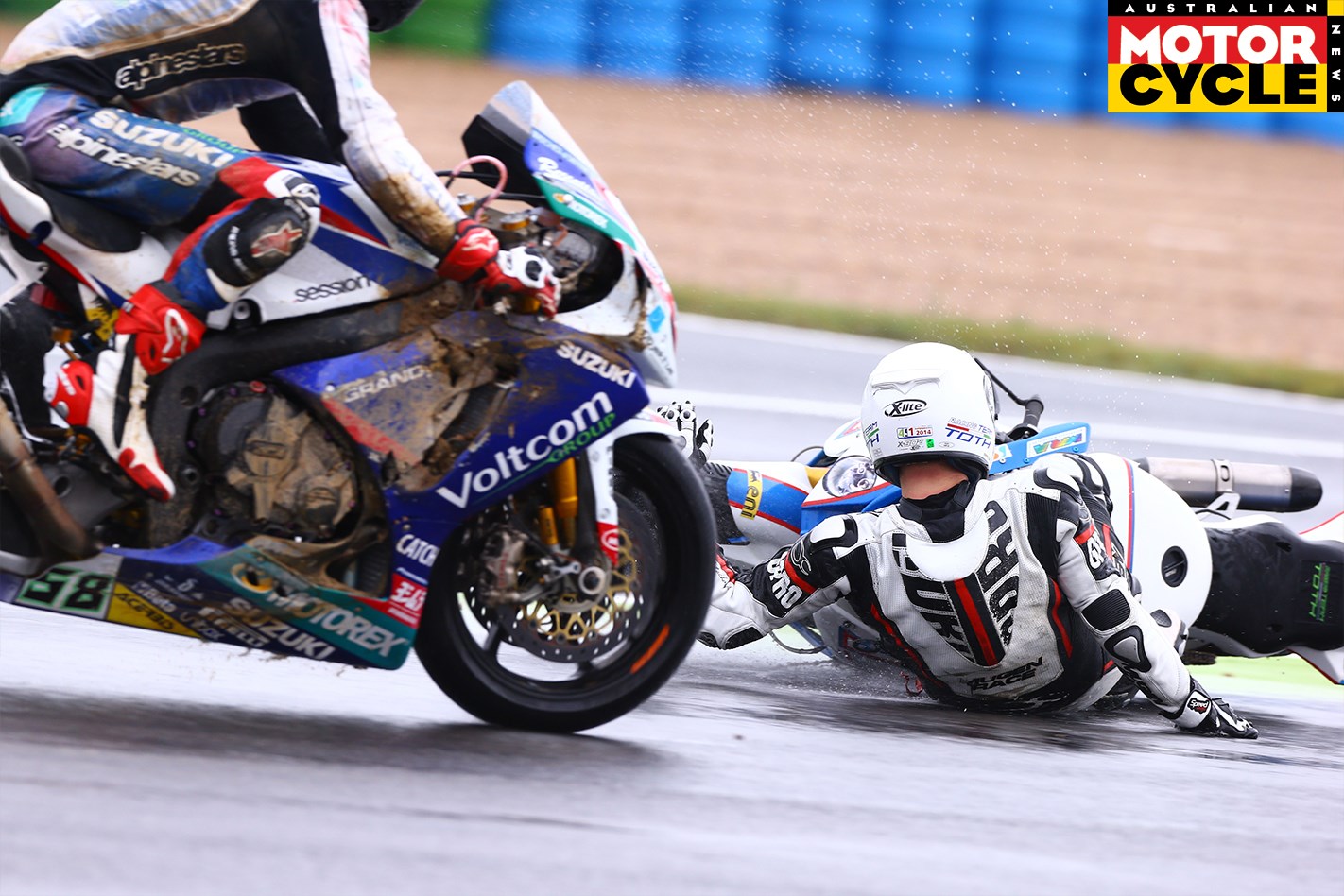
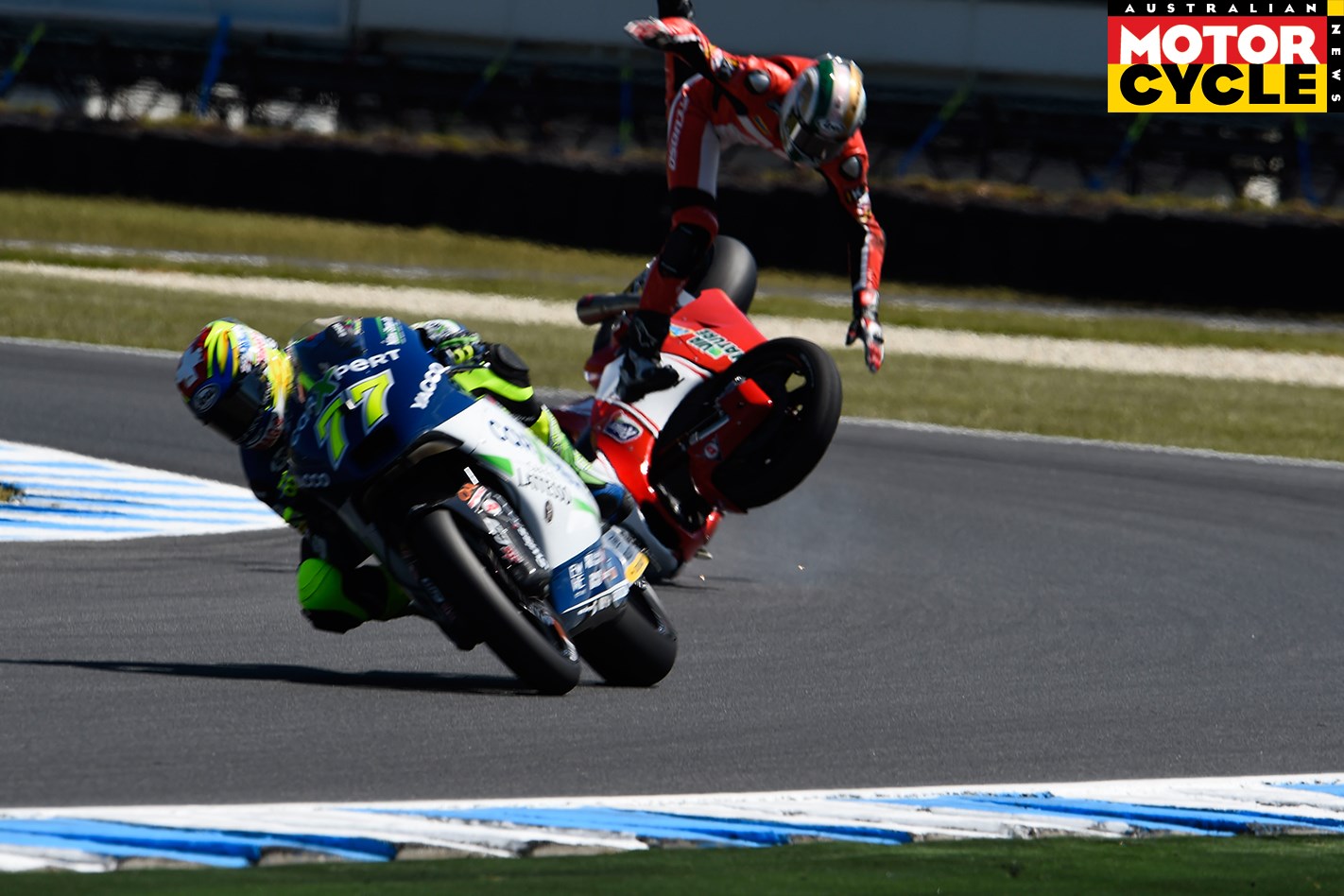
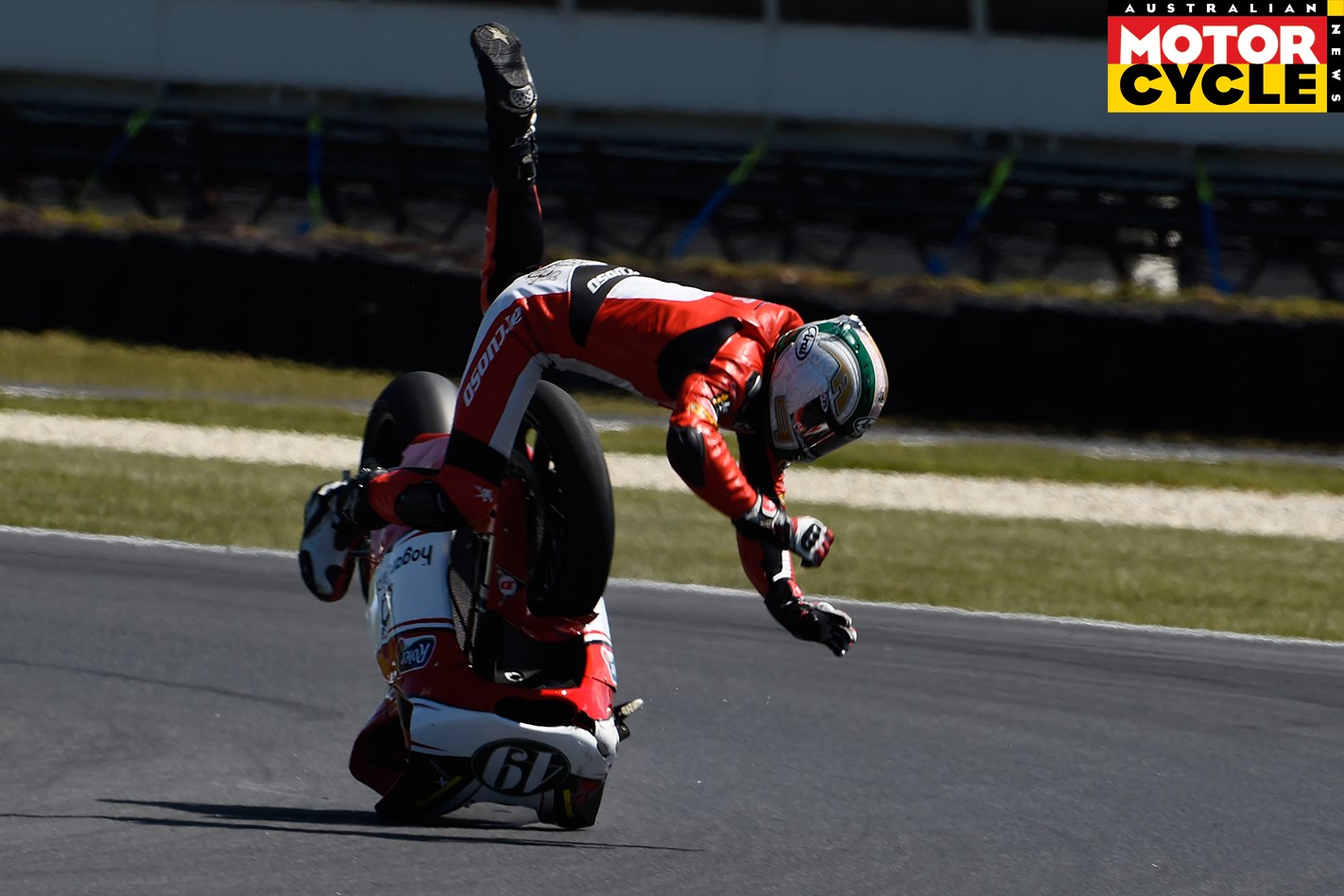
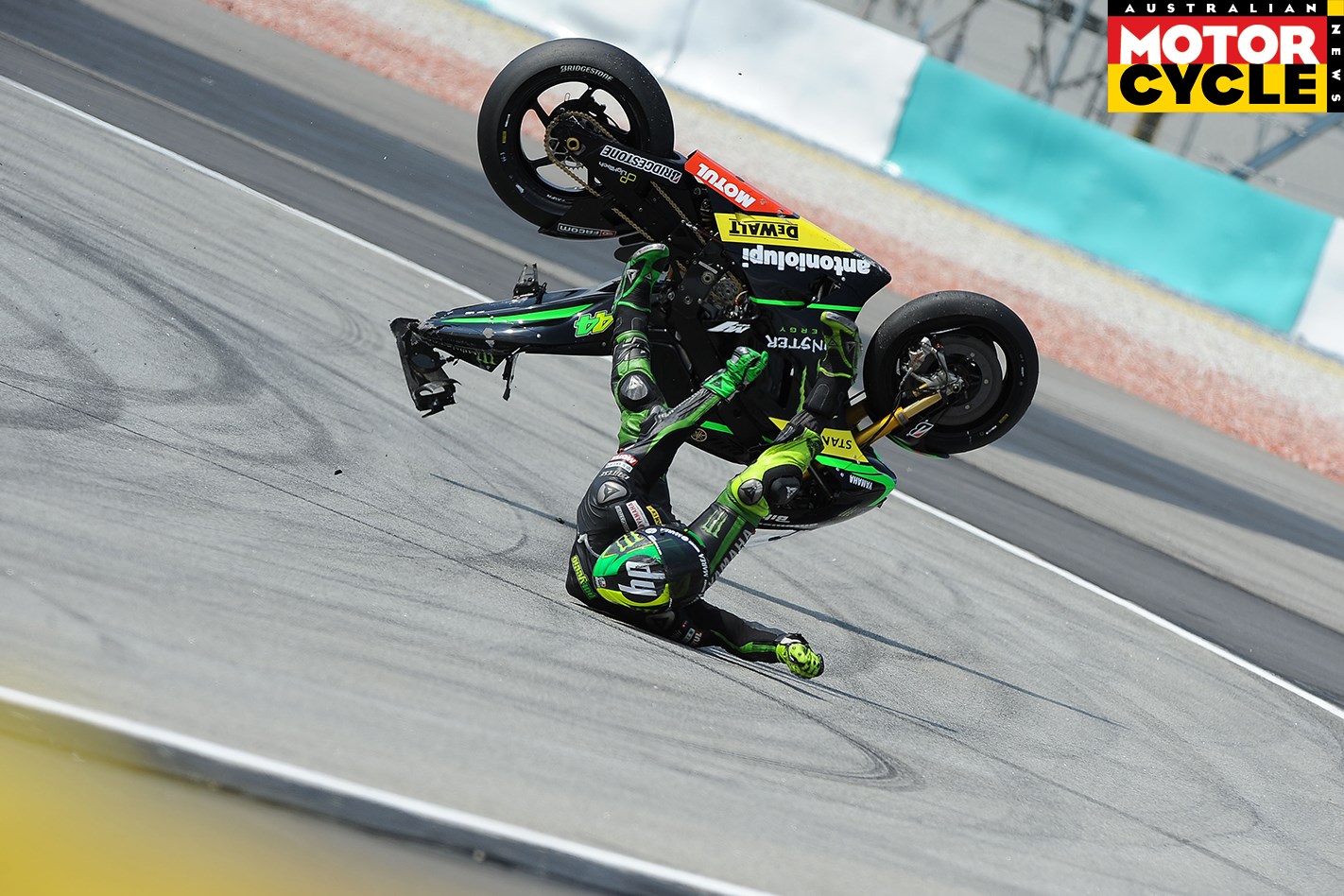
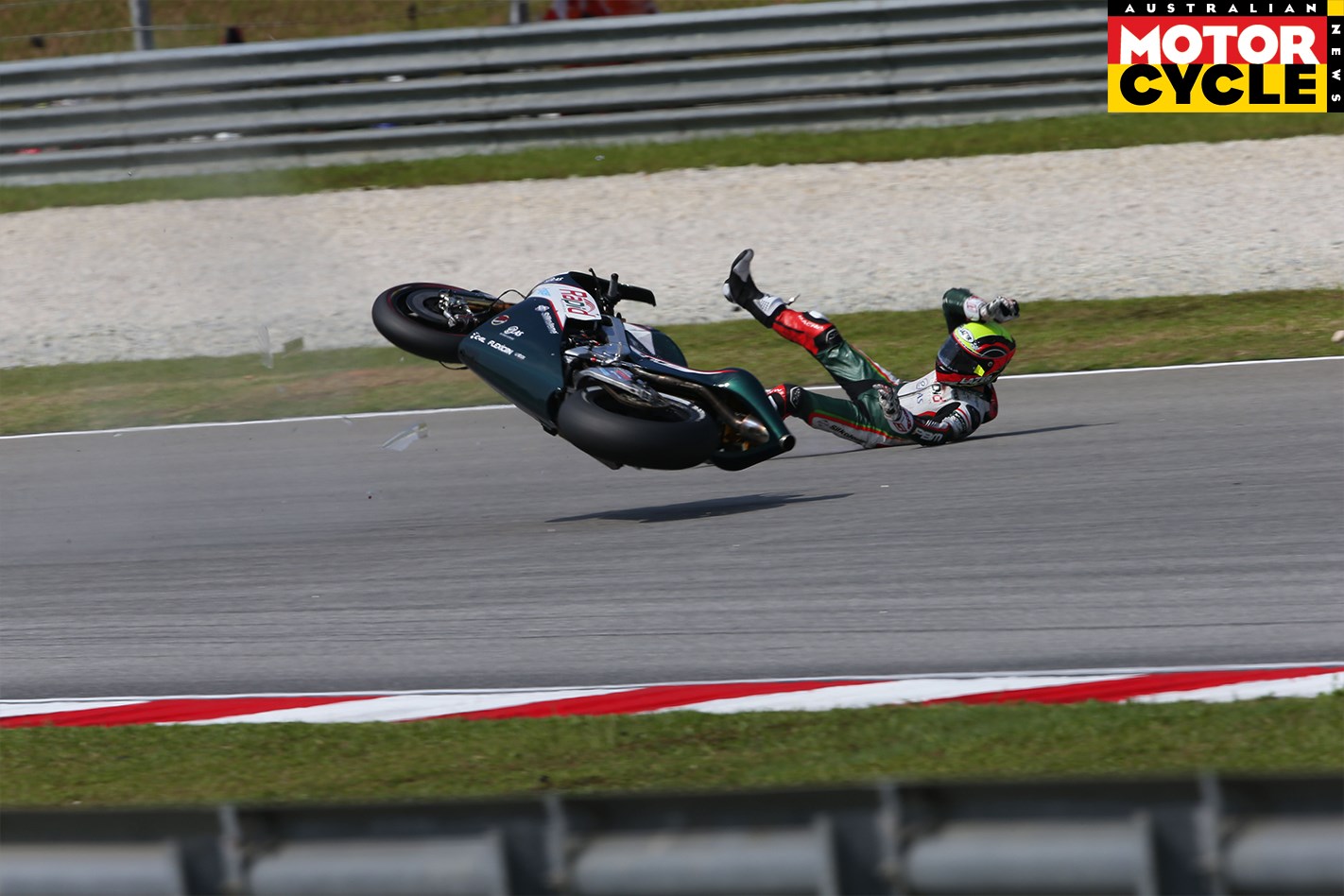
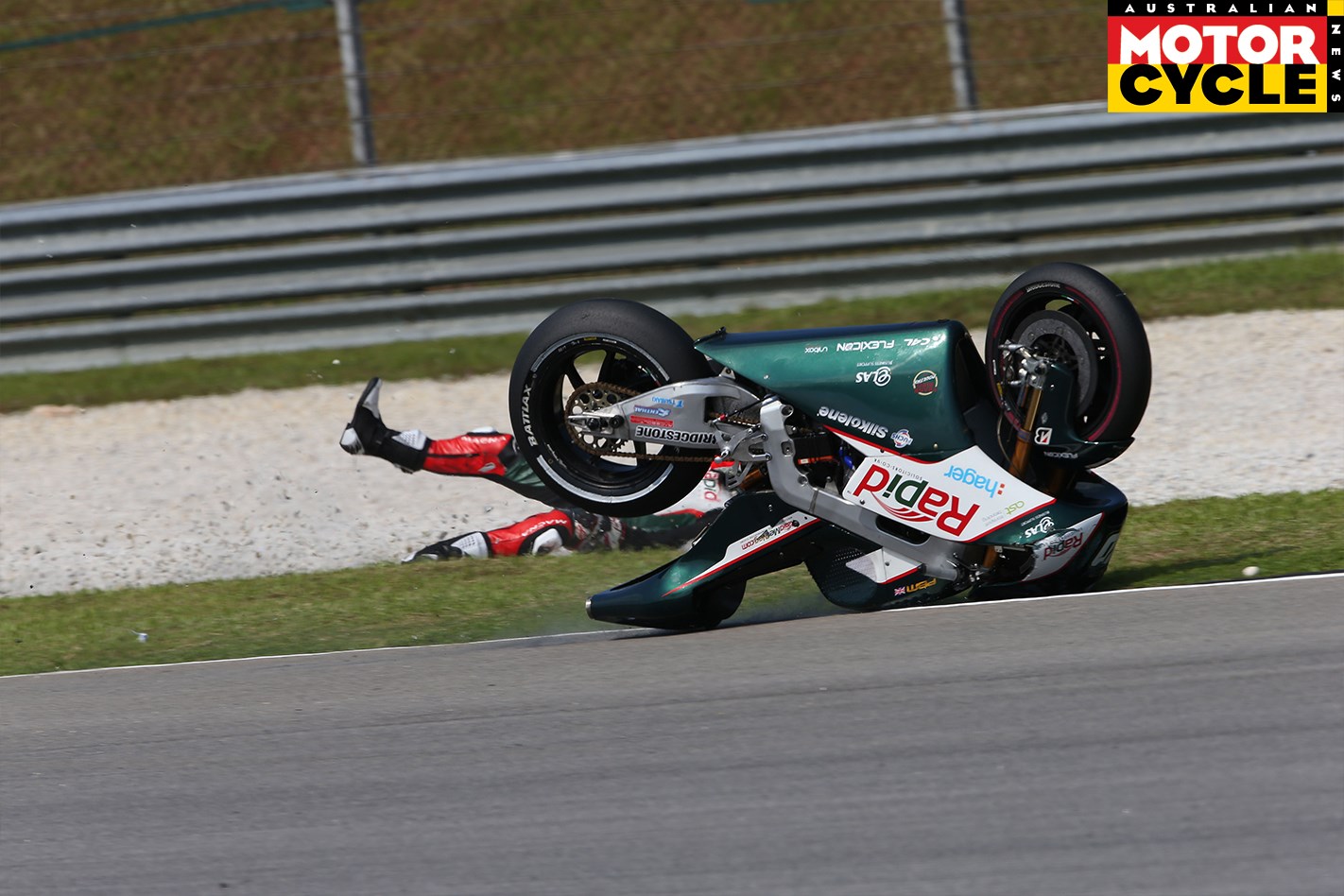
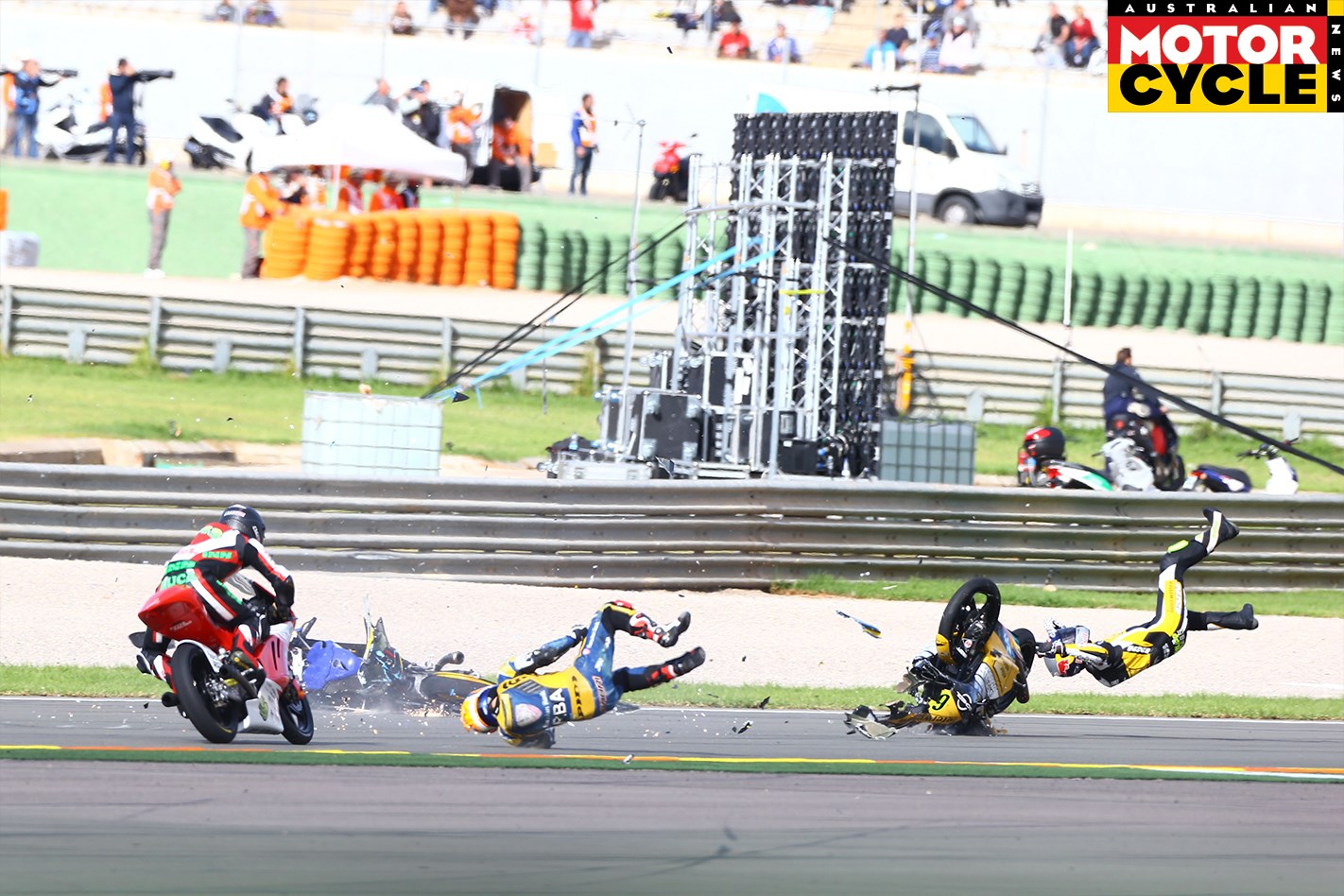
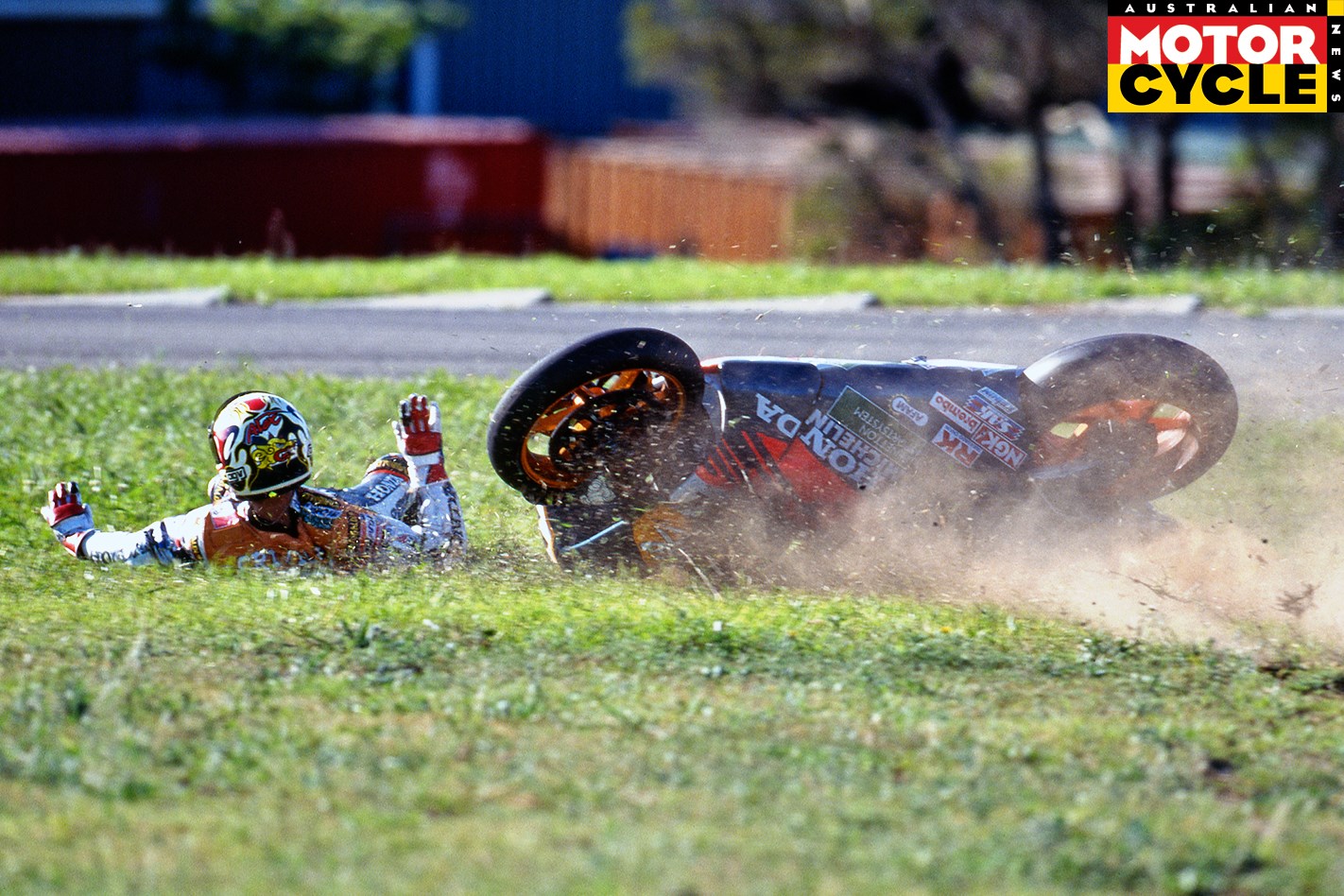
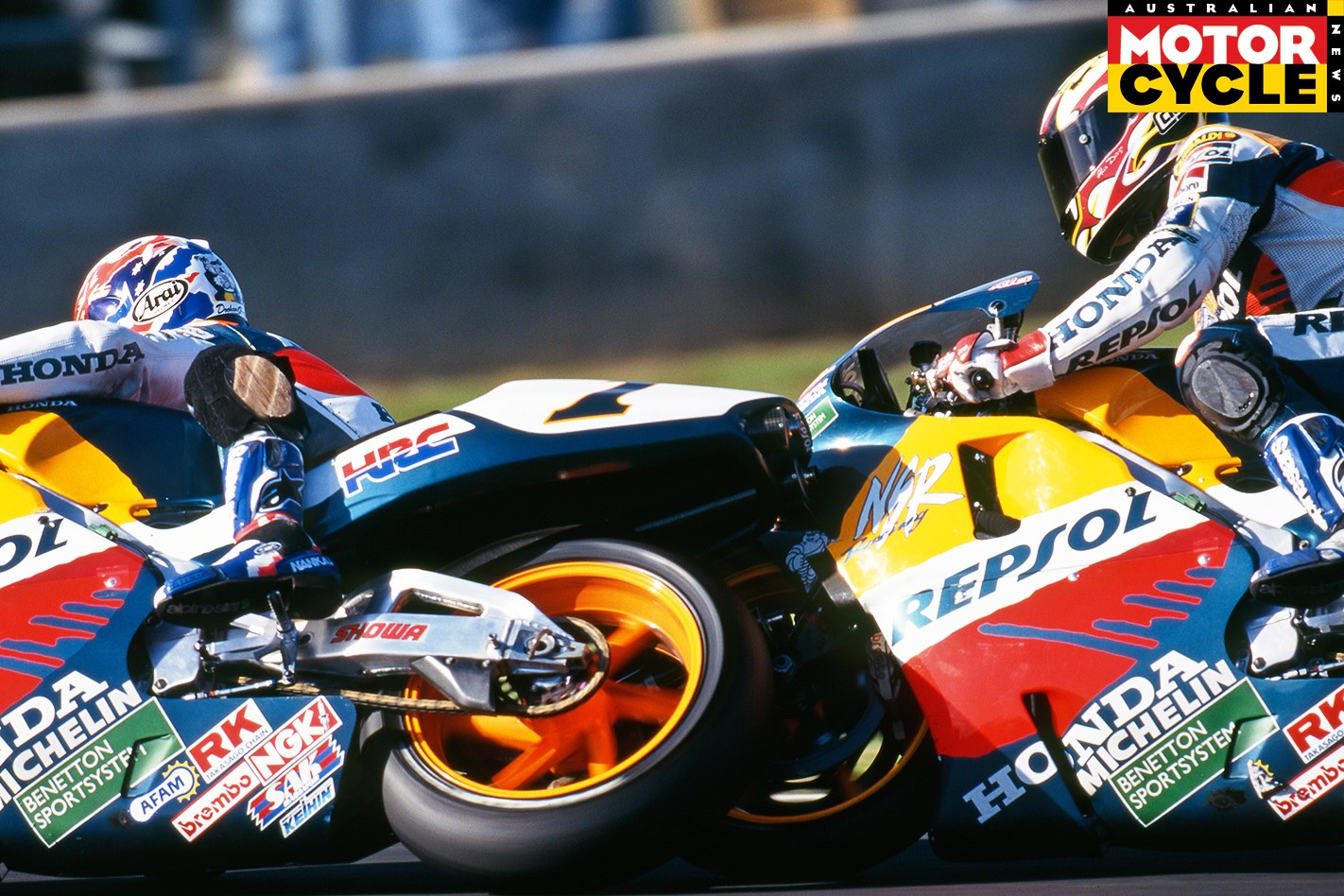
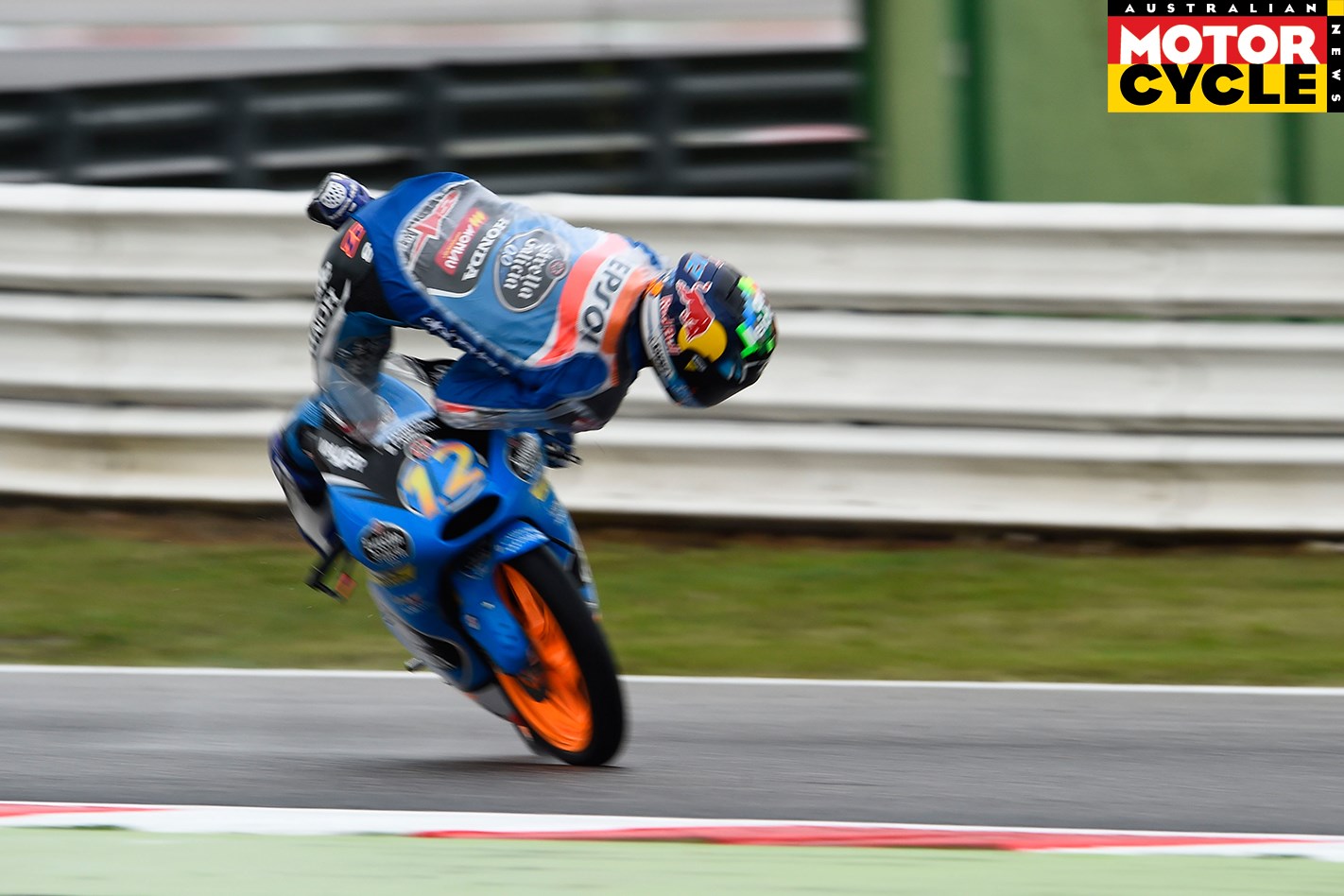
by julian ryder, on the ground in argentina
Friday, April 17, 2015
Aleix Espargaro topped both sessions today on his Suzuki. There's a sentence I did not expect to be writing. The last time a Suzuki was at the top of the timesheets was warm-up for the 2007 MotoGP race at Misano and the rider was Chris Vermeulen. That was on a V4, this is on a straight four. And one that obviously goes round corners very well but is distinctly short on top end.
Rumour has it that Suzuki turned the wick up by ten horsepower after being 18kph slower than Mr Marquez down the straight at Qatar. The Suzy is still a lot slower than any other factory bike (except the Aprilia) but on a dirty track that will get much quicker as the weekend wears on, but it is heartening for the team and everyone who wants to see competition among factories.
The link between Suzuki's last two fastest times, and indeed Alvaro Bautista's Valencia 2011 fastest time in a very wet session, is race engineer Tom O'Kane.
The Irishman was with Team Roberts before joining Suzuki in 2005, leaving after the '11 season finished before rejoining a year later to work on the new project. Aleix Espargaro says he was told he was getting someone good but the reality exceeded his expectations. Any trouble with Tom's accent?
"No! Maybe he speaks slowly for me."
Aleix used the Suzuki factory team's concessions, ie a medium rear tyre, to set his times. Iannone did the same for third on his Ducati. Marquez, as a factory rider without any such favours, used his softer option which, this week, is the hard compound tyre. Will the new ultra-hard rear be raceable? Scott Redding set his time on one and thinks he'll race with it. Will Ducati and the other concessionaires find that their harder option isn't hard enough? There's a chance. One thing is certain: this track is very hard on rear tyres thanks to the number of corners that open up, inviting riders to get on the gas hard. Two corners are so long they remind you of Phillip Island, there are hard braking ares as well, and the average speed is very high.
What's not to like?
ENDS
on another note
Erik Buell Comments on Closure of EBR The man himself gives his racing-metaphor take on the company's accomplishments.
April 17, 2015 By Mark Hoyer
In the days since the announcement, Erik Buell has been publicly silent about the closure of Erik Buell Racing (Click here for Feature Story) as he worked with the receiver on the bankruptcy. Buell, however, broke his silence today on the company’s Facebook page (Click here for link) with a heartfelt thanks to EBR supporters and some insight into what happened:
Thank you for the supportive posts, texts, and e-mails since the announcement that EBR has ceased operations. This is a difficult time, and your comments mean a great deal to me personally and also to the EBR team that has done such amazing work over the past few, intense years.
No doubt, it was an incredible ride, feeling like the longest qualifying lap ever. And, then, just when we knew we were about to set an all-time record, we tossed it in the last corner…
Keeping with racing analogies, now we need to get back on the track and look ahead remembering all the things we were doing right around so many turns.

Unfortunately, in the end, we tried to do too much with too little funding, but it doesn’t diminish the accomplishments. We introduced the world class American super bikes of 1190RS, 1190RX and 1190SX, while at the same time doing revolutionary work for Hero on the HX250R, Leap, SimplEcity, iON, RnT and many others, plus concepts never publicly seen. It was great EBR innovation and design, and introduced new technology to Hero and its suppliers to provide a real kickstart for them. But in the end all of this simply overwhelmed us, and for that we are sorry and saddened.
I want you to know that looking ahead my focus is 100% on helping the receiver best maximize the value from EBR to benefit all, and I will make every possible effort to get the new organization to where it can support the dealers and customers first, and then help find investment to get back to full throttle.
Thank you for your support, it means a great deal. Please stay tuned—I cannot predict the future, but always believe the best is yet to come.
Erik.
http://www.cycleworld.com/2015/04/17/erik-buell-comments-on-closure-of-ebr/
dam I am not a Harley fan but I did have hopes for the team to carry on as well as the company. I thought the HERO $$$ would help him going.
Published: Yesterday 12:19

Valentino Rossi has sent the racing rumour mill into overdrive after tweeting a picture of himself riding at night on track with the simple comment of ‘night training’.
Speculation is now building that the nine-time champ will be lining up onboard the all-new R1 at this July’s Suzuka 8-Hour, where he would lock horns with former rival Casey Stoner, who confirmed his attendance in the race for Honda two weeks ago.
Rossi has past form at Suzuka, winning in 2001 in a Honda dream-team alongside the then reigning WSB champion Colin Edwards. Rossi has expressed his desire to return to the iconic event numerous times and was reportedly close to a deal in 2013 that would have seen him partner fellow Yamaha MotoGP racer Cal Crutchlow.
Another man who could also join the mouth-watering Rossi and Stoner war is current WSB series leader Jonathan Rea. The Kawasaki man partnered Ryuichi Kiyonari to win the 2012 event while both riders were with Honda. Rea has been a Suzuka front-runner for the past two years before crashes and mechanicals ruled him out in both 2013 and 2014.
Adding to the speculation that he could be going to Suzuka this year in an official Kawasaki team, the Northern Irishman travelled to Suzuka between the first two rounds of the WSB series in order to test a Japanese Superbike spec machine, supposedly for development purposes.
Speaking to MCN, Rea said: “I rode the Japan Superbike-spec ZX-10R to try and give the team and their riders some direction with the bike. I love Suzuka, but it wouldn’t be easy with my WSB schedule this year as it’s Laguna Seca the weekend before and Sepang the weekend after. We’ll have to wait and see!”
The possibility of Rossi and Rea joining the line-up alongside Stoner would help to massively elevate the status of the 8-Hour race.
Held in enormous prestige by the Japanese manufacturers, stars of GPs and WSB are often drafted in to race it, and past winners include Noriyuki Haga, Mick Doohan, Wayne Gardner and Wayne Rainey.
Simon Patterson
Other pages you might like ...
pics to follow
hahhahahahahahhahahhahahahahahhahaha
- By Press release
- Apr 17, 2015
- Motogp
The start to the MotoGP World Championship continues for the CWM LCR Honda Team, with the second Grand Prix in seven days taking place in Argentina this weekend. The team has travelled down from Texas far into the northwestern hinterland of the South American nation, for the series’ second visit to the Termas de Rio Hondo circuit.

The Australian then took a small plane even further into the Argentinean back-country as part of the race’s promotional pre-event, where he rode his Open spec Honda RC213V-RS on the 6,000km2 Salinas Grandes salt desert. Located at 3,500m above sea-level the salt flats made a stunning backdrop for...
...Miller to become the first person to ever ride a race-ready MotoGP bike at such a location.
Once he made back to the paddock, Miller made it only too clear that he is aware of the task ahead of him this weekend – that of making further progress on board his bike, after having scored his first ever MotoGP points last time out in Austin.
Jack Miller #43

“It was a once-in-a-lifetime experience to go up that high into the mountains and discover a big salt-flat like that. It was pretty cool. We had some fun on board the CWM LCR Honda but it’s back to business time now this weekend in Rio Hondo.”
“I’m looking forward to getting out on track and I expect it will be a little bit slippery in the first couple of laps like last year. There have been a few car races and other events since last time so there should be some more rubber down and that makes me keen to get out on track.”
“In Texas I got a lot more comfortable on the bike and during the race got to sit with the big group and learn so much before picking up my first points. I look forward to taking what I learned from there and put it into practice here. The track suited the Honda of Marc Marquez who won here last year, so I hope it works here for me too.”

- By Press release
- Apr 20, 2015
- Motogp
Valentino Rossi gambled on the right tyre choice to take his 84th MotoGP™ victory as Marc Marquez crashed out of the race in Argentina.
Conditions were similar to yesterday’s qualifying with bright sunshine and a track temperature of 37 degrees. Despite this Repsol Honda’s Marquez, along with CWM LCR Honda’s Cal Crutchlow, decided at the last minute to switch to the hard compound rear tyre, unlike the Movistar Yamaha’s of Rossi and Jorge Lorenzo who went with the extra hard option. This would prove to be a crucial decision later on in the race, as tyre-life would have a huge part to play at the Termas de Rio Hondo.
Rossi made up five seconds in 13 laps to get on the back of Marquez

It was Aleix Espargaro who led the pack into turn one on the Team Suzuki Ecstar, but it didn’t take long for Marc Marquez to make his move for the lead, passing the Team Suzuki Ecstar GSX-RR almost immediately, with the reigning MotoGP™ World Champion going on to lead by 0.8s at the end of the first lap.
Marquez took advantage of his hard tyre’s extra grip early on in the race to extend his lead to over 4 seconds, all the while though Movistar Yamaha’s Valentino Rossi was making his move through the field. “The Doctor” moved into 2nd place at the expense of Dovizioso on the Ducati Team GP15 with 15 laps to go, having started back in 8th on the grid.

Rossi then set about hunting down Marquez, as the Spaniard’s tyre performance started to fall away, and it suddenly became apparent he would be able to catch the Honda.
Meanwhile in the world of WSBK...
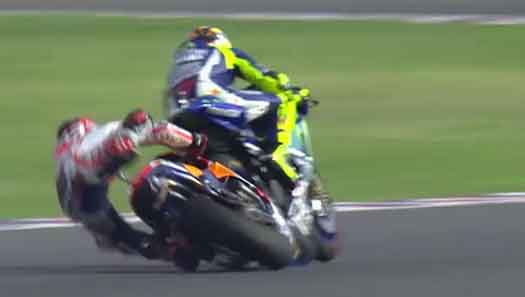
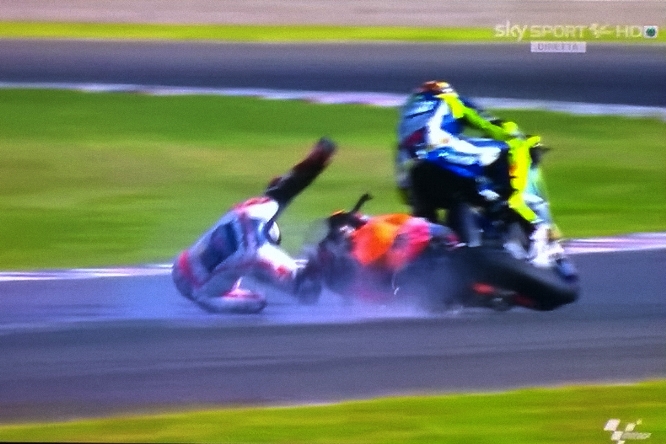
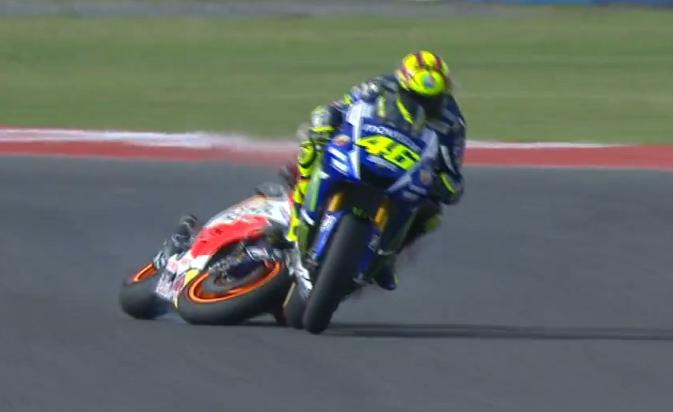
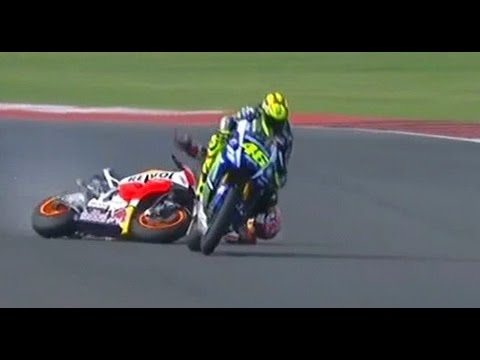
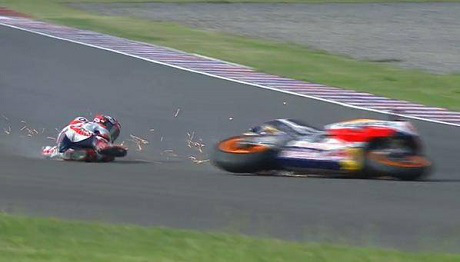
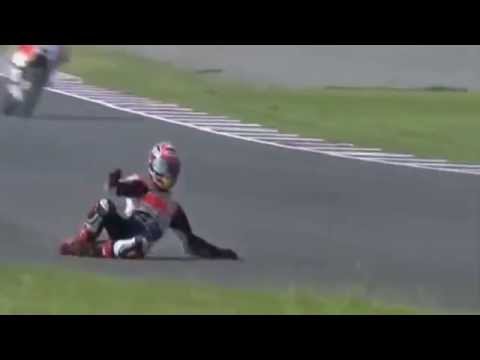
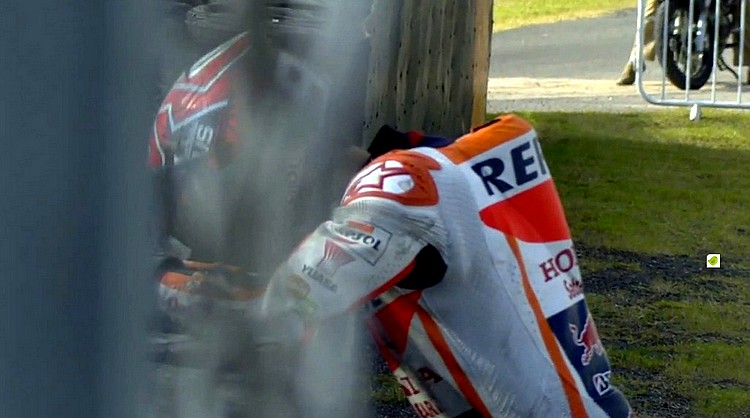
It was like watching a ticking time bomb as Rossi made huge in-roads into Marquez’s lead, finally catching him with just 2 laps to go. Marquez was not going to let the Italian pass him without a fight though, and in the ensuing battle the riders touched a couple of times, before Marquez clipped the back of Rossi’s bike and crashed out of the race. Although Marquez was not best pleased at the time, Race Direction ruled it as a “racing incident” and took no further action.

This left Rossi on his own to take the victory by over five-seconds, and he admitted afterwards that the key to his success was not caring about Marquez’s tyre choice, and just focusing on his own. He later discussed the incident with Marquez at the press conference: “When I arrive, it was a shame that he crashed, but for me he made a mistake because Marc is a rider who will always go all-in. When I braked he touched me once, then again, and then he crashed. It was a shame as it could have been a good battle to the end.”
Marquez said afterwards that he was okay after the crash, and that he chose the hard tyre as it was the only way he felt he could beat Rossi. Talking about the clash with the Italian he said: “When he passed me, well…you can see what happened in the video. I love Valentino and it is always difficult to beat him, he is my hero and I always learn something when I ride against him.”

Andrea Dovizioso took advantage of Marquez’s crash to claim 2nd, five-seconds behind Rossi, and now trails him by six points in the Championship standings. The Italian later saying that his team had worked on developing a setup that would allow him to be fast, but would also look after their tyres, and he seemed pleased at the outcome: “I am very happy because to get so close to Valentino at the front is a dream come true, as the bike is very new, and we are second in the championship after a great start by Valentino…to be so close is amazing.”
CWM LCR Honda’s Cal Crutchlow left it until the very last corner to pass Andrea Iannone to claim the final podium place, managing to hold off the Ducati Team GP15 on the run to the line to take 3rd and finish as the leading satellite rider. He later revealed that Honda had developed a plan that involved the British rider trying to hold up Marquez’s rivals during the early part of the race, before coming on strong in the latter stages: “Unfortunately Marc crashed, and we benefitted and took the podium. This is racing, we fought hard all weekend long, I enjoyed it thoroughly and I think it paid off.”
Cal Crutchlow on the podium

Rossi’s teammate Jorge Lorenzo had no answer to the pace of the guys at the front, and finished in rather a lonely fifth place, nine-seconds ahead of the Satellite Monster Yamaha Tech 3 bike of Bradley Smith in 6th.
Aleix Espargaro ended the race in 7th, ahead of his brother Pol on the second Monster Yamaha Tech 3 bike, with Estrella Galicia 0,0 Marc VDS Racing’s Scott Redding and the second Team Suzuki Ecstar GSX-RR of Maverick Viñales completing the top ten.
Pramac Racing's Danilo Petrucci finished in 11th, but was later given a penalty point by race direction for causing Hiroshi Aoyama's crash on the final corner.
CWM LCR Honda’s Jack Miller took the Open class victory as he finished in 12th, just 0.075s ahead of Hector Barbera on the Avintia Ducati and Athina Forward Racing’s Loris Baz, with his teammate Stefan Bradl in 15th.
Miller took the Open Class victory placing 12th overall

Yonny Hernandez earlier had a spectacular mechanical failure and had to retire from the race after his Pramac Racing Ducati caught fire on track.
Yonny Hernandez had to jump off his Pramac Ducati after it caught fire mid-race

Rossi now has a six-point lead over Dovizioso in the MotoGP™ World Championship standings, and has a thirty-point advantage over Marquez.
Johann Zarco converted his pole position to a win in the Moto2 class. Zarco heads to Jerez with a five-point lead in the title over Alex Rins.

The Moto3 race once again saw Englishman Danny Kent run away with the victory, and sits a healthy 17-points ahead of Efren Vazquez in the title chase.

All the news, inside info and behind-the-scenes nitty gritty in the next issue of AMCN, on sale Thursday 30 April.
Bayliss AMA flat-track campaign confirmed
- Apr 17, 2015
- News
AMCN has received confirmation Troy Bayliss’s American flat-track venture to race in the AMA Grand National Miles flat-track series has been given the green light with factory backing from Ducati.
Troy’s bikes will be provided and presumably spannered by the the Lloyd Brothers Motorsports team, headed by David and Michael Lloyd. Troy will be riding the latest incarnation of the Ducati flat-tracker, a bike that’s already proved itself a race-winner in the AMA Pro Grand National Expert Twins flat track series in 2010, and in doing so, became the first time ever an Italian bike had defeated the might of Harley-Davidson to win an race in the AMA Championship dirt oval series.

“I always wanted to have a go at dirt-track racing in America,” Bayliss told AMCN.
“It all started a couple of years ago when I went riding over there in Kentucky with a young mate called JD Beach. That really got me into doing flat-track, and now I’ve had a couple of the best Americans racing here in Australia, I reckon I should go over there and do a few races.”
For the full interview with Troy and the background on the team, the bikes and deal that will see Bayliss take on the Yanks, grab the latest issue of AMCN on sale now.
Nicky Hayden riding Lloyd Brothers Ducati 2010

Digital edition available at our iTunes store. Print on sale Thur 16 April.
\
Manx Police launch investigation into Guy Martin’s ’22 minute lap’
Published: Yesterday 15:18

The Isle of Man Police have confirmed that they have opened an investigation after TT racer Guy Martin claimed in a newspaper article that he completed a lap of the TT course at an average speed of over 100mph.
Writing for the Sunday Times’ motoring supplement, Martin says that during a recent trip to the Island testing the new Aston Martin Vanquish Carbon Edition, he lapped the 37.73 mile course in twenty-two minutes in the £200,000 supercar.
In the article published two weeks ago, Martin said: “I was revving with excitement. I hadn’t been trying to set a time; I’d just wanted to see what the car would do on a road I knew well and it was something like a 22-minute lap. (The rally driver Mark Higgins holds the official car record of 19 minutes and 26 seconds in a Subaru BRZ).”
Claiming in the article that he ‘saw 180mph down Sulby Straight,’ an ultra fast section of the course with a 30mph speed limit, the Manx police have now opened an investigation into his claims.
The article has already created a furore of attention on the Isle of Man, with many residents hitting out at the TT star’s claims as reckless and dangerous.
Simon Patterson
Other pages you might like ...
the kill switch move is a laugh
http://www.motorcyclistonline.com/t...1&spJobID=542261498&spReportId=NTQyMjYxNDk4S0
1972 Kawasaki Mach IV H2 Triple | ROOTS
MachSpeed: Kawasaki’s awe-inspiring 1972 Mach IV and the debunking of the Widowmaker myth.
By Mitch Boehm Photos: Kevin Wing, Rebecca Hinden Posted April 18, 2015

Respect the wooden, almost ineffective front brake and remember to lift the footpeg before prodding the kickstarter.-
-
Today, the 1972 Kawasaki H2 looks purposeful and almost svelte. In its day, though, this was a feared machine, capable of a 12-second quarter mile and wholly up to separating the men from the boys.
-
THROWBACK - The ultimate collection would include all three of Kawasaki’s triples, the H1 500, the H2 750, and the S2 350. Kawasaki wowed enthusiasts with the powerful H2 but sold a lot of other three-cylinder versions into the 1970s.
-
-
-
-
Dan Mazzoncini’s 295-original-mile ’72 H2 is about as perfect as they get. First- and second-year bikes “are the wildest,” according to H2 owner and builder Jim Hobbs, “with changes to the ’74 and ’75, longer swingarms and porting tweaks, taming them a bit.”
-
Feingersch's 71K-mile daily driver is mostly stock beyond the Spec II chambers. -
With 71K miles on the clock, Mitch Feingersch’s H2 starts on the first kick, as Editor In Chief Marc Cook will attest. (See Cook's Corner here) -
Respect the wooden, almost ineffective front brake and remember to lift the footpeg before prodding the kickstarter. -


And then there’s the infamous “widowmaker” moniker, routinely applied to the big Kaw… It’s all BS, really.

Today, the 1972 Kawasaki H2 looks purposeful and almost svelte. In its day, though, this was a feared machine, capable of a 12-second quarter mile and wholly up to separating the men from the boys.
Yes, indeed, Kawasaki’s 1972 Mach IV—a.k.a. the H2—was shockingly quick for its day, faster than most street riders could wrap their heads around. It ran low 12s at the strip, quicker than any streetbike in history. It wheelied too easily in first gear, surged and shook like a wet dog at certain revs, got lousy fuel mileage (high teens when ridden hard), was loud, and smoked like a chimney. Yes, the very recipe for success.


THROWBACK - The ultimate collection would include all three of Kawasaki’s triples, the H1 500, the H2 750, and the S2 350. Kawasaki wowed enthusiasts with the powerful H2 but sold a lot of other three-cylinder versions into the 1970s.
Even racers and hard-core enthusiasts of the day were anxious about the Kawasaki H2, especially those who’d ridden its peaky and twitchy 500cc little brother—the 1969 Mach III H1. “Many of us,” says old-school club-racer Jack Seaver, “considered the idea of a 750cc H1 and asked, ‘Are you kidding?’”
But reputation was not reality, and the original H2 was not the dangerous motorcycle popular moto-culture has so churned and embellished into epic proportions. Heck, the thing only made about 65 hp at the rear wheel!
In fact, the H2 was a reasonably competent all-around two-stroke streetbike that just happened to be the undisputed Speed King of the entire motorcycling universe, at least in ’72. Nothing went stoplight to stoplight harder or faster, or with as much visceral, mind-bending thrill, and that sort of performance made folks forget—or forgive—a lot of negatives. Which is exactly what happened in the H2’s case. Because, besides being arguably one of the two or three most legendary Japanese streetbikes of the 1970s, its raft of idiosyncrasies notwithstanding, the H2 is also certainly one of the most desirable today.


The story of the 1972 Kawasaki Mach IV H2 750 begins, of course, with the Mach III H1 of 1969, a 500cc two-stroke triple conceived, designed, and built during the latter 1960s—a time when Kawasaki, new to the US market, was looking to elbow its way in. The peaky-yet-fast H1 did its job well, catapulting Kawasaki—which had only 250cc and 350cc two-stroke twins and a 650cc four-stroke twin—to the top of the performance ladder despite the launch of Honda’s refined (but heavier and slower) CB750 Four that same year. “The Mach II,” wrote Charles Everitt of Motorcyclist Retro in 2008, “was pure Kentucky bourbon, straight up and without a beer chaser…designed to pack the best power-to-weight ratio available and be an absolute menace at the dragstrip, cornering performance be damned.”

Dan Mazzoncini’s 295-original-mile ’72 H2 is about as perfect as they get. First- and second-year bikes “are the wildest,” according to H2 owner and builder Jim Hobbs, “with changes to the ’74 and ’75, longer swingarms and porting tweaks, taming them a bit.”
COOKSTOWN 100 DOUBLE FOR GUY MARTIN & TYCO BMW
25th April 2015

Guy Martin took a double in today’s Superbike races at the KDM Hire Cookstown 100, making it three wins for the Lincolnshire man on Tyco BMW S1000 RR Superstock machinery this month. It was also an encouraging day on their home circuit for TAS Racing.
In the opening encounter Martin held off a late charge from Michael Dunlop to take the win by just 0.114sec, but all the drama came in the feature race of the day – the KDM Hire Cookstown 100 Superbike race.
Martin led for the opening six laps, which he relinquished for a short period on lap seven, but a red flag incident involving Michael Dunlop forced the race to be stopped.
The end result was a second Superbike win for Martin with his Tyco BMW team-mate William Dunlop coming through from the second group to finish fourth on corrected time. Dunlop was fifth in the opening Superbike encounter.
Guy Martin: “I could have smoked a Woodbine in that last race, the Superstock BMW was so stable and working just mint. I was never under any pressure and when Dunlop came past, I thought, ‘this will give me a chance to have a look at what he is doing and plan my pass for the last lap’. We certainly had an advantage on the back part of the circuit and definitely the speed on the front straight to make the pass. It didn’t need to happen, but a good day all round and just what we needed.”
William Dunlop: “I was a bit disappointed with my results today, but it’s only the first race of the season and we still have a bit of work to do before the North West. I rode well but am still a bit rusty on the BMW but we have time to perfect our set-up, so I’m looking forward to both the NW200 and TT.”
Philip Neill – Team Manager: “We will not get carried away but it was brilliant to start our road racing season with a win for Guy in the Spring Cup at Scarborough and now a double at the Cookstown 100. It doesn’t necessarily determine what the outcome of the international road races will be, however it is our local event and we really enjoy supporting the Cookstown Club and racing in front of our local supporters.
“More importantly, today confirms the strength of the package we have in BMW’s S 1000 RR after we made a conscious decision for both riders to compete on Superstock machines against quite a few Superbikes.
“The end result shows the potential of our BMW Motorrad machinery, and we can now concentrate on testing our Superbike machines ahead of the North West 200. Thanks to all our sponsors for their continued support and for us it’s nice to repay some of the faith they have shown in us.”
Results:
Royal Hotel Open Superbike:
Winner – Guy Martin [Tyco BMW]; Michael Dunlop [Yamaha] +0.114sec; 3rd – Derek Sheils [Kawasaki] +3.832sec; 4th – Derek McGee [Honda] +4.783sec; 5th – William Dunlop [Tyco BMW] +6.894sec
KDM Hire Cookstown 100 Feature Race:
Winner – Guy Martin [Tyco BMW]; 2nd – Derek Sheils [Kawasaki] +1.269sec; 3rd – Dean Harrison [Yamaha] +4.916sec; 4th – William Dunlop [Tyco BMW] +5.372sec; 5th – Jamie Hamilton [Suzuki] +12.925sec; 6th – James Cowton [Honda] +13.613sec
For more information please contact us at: [email protected]
www.tycobmw.com
http://tycobmw.com/764/





I had a 1974 H2, bought new. Nothing but a Z1 could hang with it.full story here
http://www.motorcyclistonline.com/t...1&spJobID=542261498&spReportId=NTQyMjYxNDk4S0
1972 Kawasaki Mach IV H2 Triple | ROOTS
MachSpeed: Kawasaki’s awe-inspiring 1972 Mach IV and the debunking of the Widowmaker myth.
By Mitch Boehm Photos: Kevin Wing, Rebecca Hinden Posted April 18, 2015
The stories are out there, in print, online, and fresh from the mouths of folks without much of a clue. They chronicle lurid tales of wobbly, toss-you-off handling, uncontrollable third- and fourth-gear wheelies, 150-mph top speeds, and more. “This guy pulls alongside me,” you’re bound to hear. “Shifts into fourth and yanks a big stonkin’ wheelie!”
Respect the wooden, almost ineffective front brake and remember to lift the footpeg before prodding the kickstarter.
Today, the 1972 Kawasaki H2 looks purposeful and almost svelte. In its day, though, this was a feared machine, capable of a 12-second quarter mile and wholly up to separating the men from the boys.
THROWBACK - The ultimate collection would include all three of Kawasaki’s triples, the H1 500, the H2 750, and the S2 350. Kawasaki wowed enthusiasts with the powerful H2 but sold a lot of other three-cylinder versions into the 1970s.
Dan Mazzoncini’s 295-original-mile ’72 H2 is about as perfect as they get. First- and second-year bikes “are the wildest,” according to H2 owner and builder Jim Hobbs, “with changes to the ’74 and ’75, longer swingarms and porting tweaks, taming them a bit.”
Feingersch's 71K-mile daily driver is mostly stock beyond the Spec II chambers.
With 71K miles on the clock, Mitch Feingersch’s H2 starts on the first kick, as Editor In Chief Marc Cook will attest. (See Cook's Corner here)
Respect the wooden, almost ineffective front brake and remember to lift the footpeg before prodding the kickstarter.
And then there’s the infamous “widowmaker” moniker, routinely applied to the big Kaw… It’s all BS, really.
Today, the 1972 Kawasaki H2 looks purposeful and almost svelte. In its day, though, this was a feared machine, capable of a 12-second quarter mile and wholly up to separating the men from the boys.
Yes, indeed, Kawasaki’s 1972 Mach IV—a.k.a. the H2—was shockingly quick for its day, faster than most street riders could wrap their heads around. It ran low 12s at the strip, quicker than any streetbike in history. It wheelied too easily in first gear, surged and shook like a wet dog at certain revs, got lousy fuel mileage (high teens when ridden hard), was loud, and smoked like a chimney. Yes, the very recipe for success.
THROWBACK - The ultimate collection would include all three of Kawasaki’s triples, the H1 500, the H2 750, and the S2 350. Kawasaki wowed enthusiasts with the powerful H2 but sold a lot of other three-cylinder versions into the 1970s.
Even racers and hard-core enthusiasts of the day were anxious about the Kawasaki H2, especially those who’d ridden its peaky and twitchy 500cc little brother—the 1969 Mach III H1. “Many of us,” says old-school club-racer Jack Seaver, “considered the idea of a 750cc H1 and asked, ‘Are you kidding?’”
But reputation was not reality, and the original H2 was not the dangerous motorcycle popular moto-culture has so churned and embellished into epic proportions. Heck, the thing only made about 65 hp at the rear wheel!
In fact, the H2 was a reasonably competent all-around two-stroke streetbike that just happened to be the undisputed Speed King of the entire motorcycling universe, at least in ’72. Nothing went stoplight to stoplight harder or faster, or with as much visceral, mind-bending thrill, and that sort of performance made folks forget—or forgive—a lot of negatives. Which is exactly what happened in the H2’s case. Because, besides being arguably one of the two or three most legendary Japanese streetbikes of the 1970s, its raft of idiosyncrasies notwithstanding, the H2 is also certainly one of the most desirable today.
The story of the 1972 Kawasaki Mach IV H2 750 begins, of course, with the Mach III H1 of 1969, a 500cc two-stroke triple conceived, designed, and built during the latter 1960s—a time when Kawasaki, new to the US market, was looking to elbow its way in. The peaky-yet-fast H1 did its job well, catapulting Kawasaki—which had only 250cc and 350cc two-stroke twins and a 650cc four-stroke twin—to the top of the performance ladder despite the launch of Honda’s refined (but heavier and slower) CB750 Four that same year. “The Mach II,” wrote Charles Everitt of Motorcyclist Retro in 2008, “was pure Kentucky bourbon, straight up and without a beer chaser…designed to pack the best power-to-weight ratio available and be an absolute menace at the dragstrip, cornering performance be damned.”
Dan Mazzoncini’s 295-original-mile ’72 H2 is about as perfect as they get. First- and second-year bikes “are the wildest,” according to H2 owner and builder Jim Hobbs, “with changes to the ’74 and ’75, longer swingarms and porting tweaks, taming them a bit.”
1972 Kawasaki Mach IV H2 Triple | ROOTS
Reminds me at the Suzi 3-cyl, 2-stroke one of the buds had back then. Got sometimes trouble with the middle pot due bad air cooling. Was a relative fast bike.

Similar threads

- Replies
- 9
- Views
- 2K

- Replies
- 2
- Views
- 1K


