• Adults Only Website 18+

    If you are under 18 you are not permitted to submit personal information to us or use this website. If discovered you will be banned.

    We will ban and report anyone posting illegal content.

    We will ban any forum user who breaks our terms.

    Freedom of speech should be wide open as long as it doesn't incite violence.

    We have a 15 year old thriving community here with 400,000+ members and hundreds of people online at any given moment, we encourage you to join!, there are 1000's of topics to discuss. Please be aware before registering and read our terms of service and privacy policy.

    By dismissing this notice and proceeding, you agree to the above.

Two Wheels

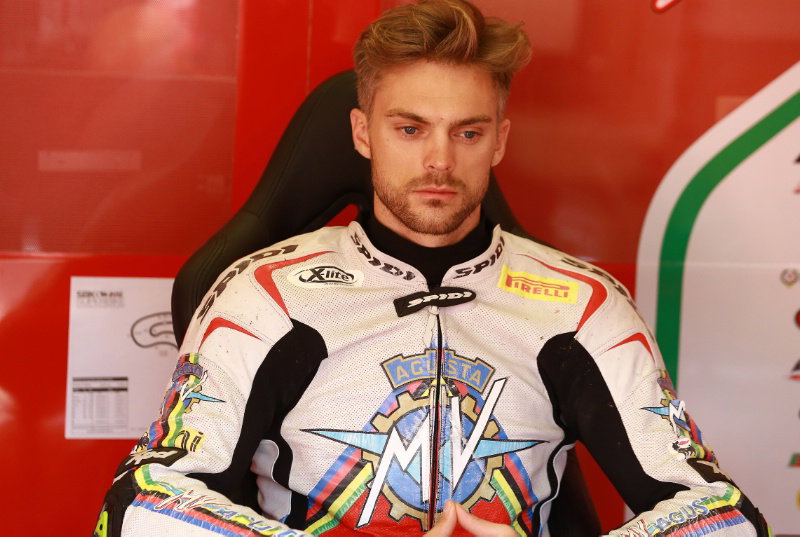
Melandri makes MV Agusta test debut at Jerez
Share
Section: Racing Post: Alex Gobert
WorldSBK testing resumes with champion Rea quickest.


Source: Supplied.

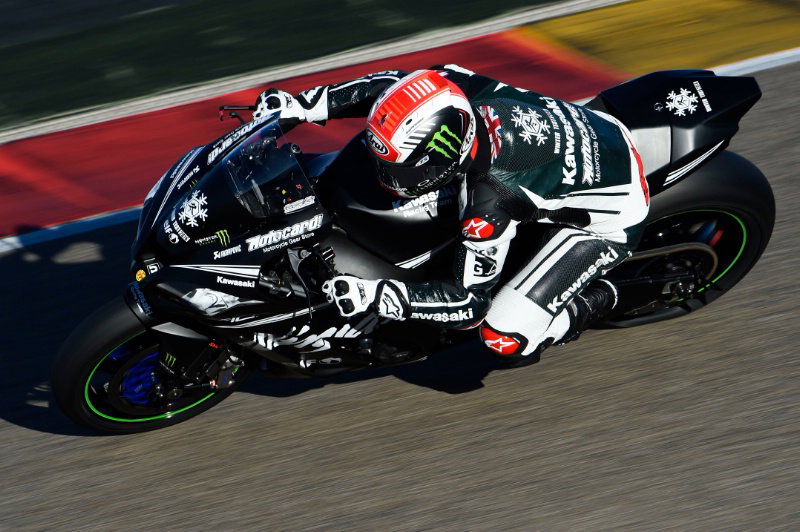
It was WorldSBK Champion Jonathan Rea who topped the time sheets as a critical 2016 pre-season test began in Jerez on Monday. Several teams are present this week.

In the premier class, Rea and Kawasaki Racing Team partner Tom Sykes continued their winter programme, while there was much attention on the new-look Althea BMW Racing Team as Genesio Bevilacqua’s squad ran riders Jordi Torres and Markus Reiterberger for the first time. At MV Agusta Reparto Corse, newly-appointed test rider Marco Melandri was on-hand.

Fresh from the EICMA motorcycle show in Milan, Sykes and Rea were back on-track at the circuit on which they clinched their individual WorldSBK titles in 2013 and 2015. The program included a combination of evaluating front forks, electronics and brakes, with Rea having already run with Nissin brakes (as opposed to his usual Brembo) at the last test in Aragon.

Both riders – who are testing the Ninja ZX-10R on all days this week bar Wednesday, when they will take a day of rest – intend to put in race simulations before the end of proceedings on Friday. Rea is also looking into repositioning, with the aim being to place the rider more over the bike’s rear wheel.

At Althea, day one was more about adaptation than anything else for Torres and Reiterberger. This was also a first opportunity for both riders to work alongside Jan Witteveen, the team’s new technical director.

The Dutchman is responsible for the development of the bike and coordinating the engineers, as well as communicating with BMW Motorrad Motorsport. The Althea team itself is overseeing development of the S 1000 RR machines, plus the sporting and logistical aspects of the operation.

For MV Agusta Reparto Corse, the week is an important from the point of view that this is the Italian manufacturer’s first test since beginning its collaboration with Giovanni Cuzari’s Forward Racing company.

The current workload includes developments on the gearbox and electronics fronts, although the most significant addition is a completely new fuel tank which greatly affects the weight distribution of the F4 RR.

This was the first MV test for 19-time WorldSBK race winner Melandri, although no lap times were released as the bike was not carrying a transponder. Camier will be working with the team in Jerez from Tuesday, then riding on Thursday and Friday.

Away from the top category, Kawasaki Puccetti Racing were hard at work as FIM Supersport World Champion Kenan Sofuoglu shared the garage with Swiss rookie Randy Krummenacher for the first time.

The DS Junior Team was also busy with sole representative Ilya Mikhalchik, while MV Agusta reunited with Jules Cluzel who returned to his WorldSSP machine for the first time since his September crash.

The world championship’s third category was on offer too, with Toprak Razgatlioglu (Kawasaki Puccetti Racing) and Raffaele de Rosa (Althea BMW Racing Team) testing their respective FIM Superstock 1000 Cup equipment.

Testing continues in Jerez on Tuesday and bikes will remain on circuit until the end of the week.
 
WSBK »
Guintoli already ‘fine-tuning’ new R1
27 November 2015

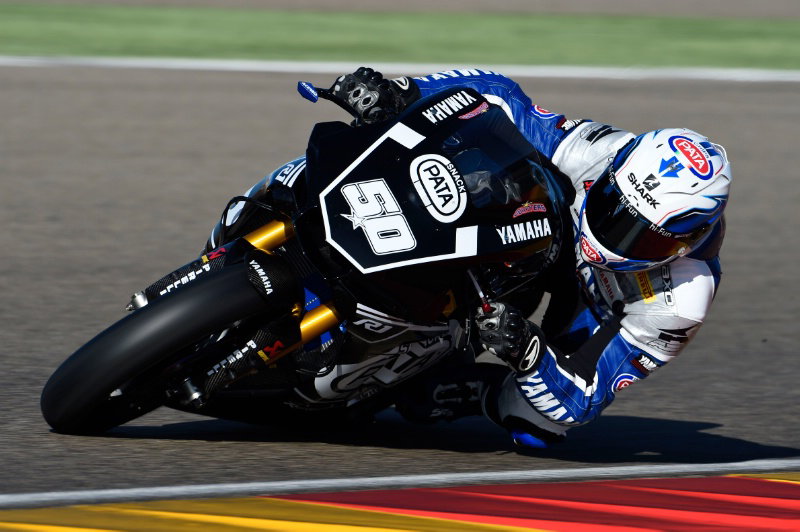
Sylvain Guintoli has been able to begin fine-tuning the new Yamaha YZF-R1 while testing in Jerez such is its strong base setting.
PA1837333.0008.jpg

Guintoli already ‘fine-tuning’ new R1

Sylvain Guintoli was more than pleased with his progress aboard the Crescent World Superbike Yamaha YZF-R1 at Jerez and revealed he is already fine-tuning several aspects of the machine, such is its strong base setting.

Although new team-mate Alex Lowes dislocated his left shoulder on Wednesday and has since been absent, Guintoli made strides with the machine's electronics package and engine braking on Thursday.

The team decided to not release the lap times of either rider before the test, but Guintoli stated “we're already competitive, especially for how far along we are sitting in development.”

Neither rider used the 2016 engine and Guintoli also spoke of how he has been using a standard swingarm throughout the test, suggesting considerable gains are still to be made before the season starts in Australia in February.

“For where we are with the development, which is very early, the lap times are surprisingly good,” explained the 2014 World Superbike champion. “Like I said, it's not massively relevant. It's just encouraging. What is relevant is trying to identify where we can improve and there's plenty of that.

“We need time like this when it's a completely new project. There is so much to try even though the bike was running in various championships last year. It's important for us to explore all the possibilities and to look forward. For now everything is going according to plan. We're getting a really good understanding of what we need to go forward.

“[On Thursday] We did loads more experimenting. Today was another really good day testing on the chassis and understanding where we need to work for the winter. We're getting a lot more technical about the management of the electronics and the engine brake. We're getting a lot closer basically. We're fine-tuning and from there we'll try to understand the way for the development.”

While joking that lap times “are not that interesting”, Guintoli went on to state how he knew the R1 was competitive from the very first shakedown test. Going forward into testing in January, the Frenchman is still testing settings to identify all the strengths and weaknesses of the machine.

“Straight away from the first shakedown you can sometimes find some teething problems but the first test was very, very positive. It's where you can feel the character of the bike. You can feel the DNA. You kind of already know after a couple of laps. This first feeling was very positive.

“The base is very good. We've got to be careful to not change the character of the bike which is very good and working well right now. We need to just identify some keep points because the gains now don't need to be…it's not like we're going around three seconds slower than everybody.

“What we have to develop has to be a gain. The bike we have is so good as a standard bike we need to be careful with which area we're going to work on because, honestly, we don't want to make the bike worse. It's interesting going around and trying different geometries and settings to identify certain weaknesses and strengths.

“We'll be working on different performance areas, like the electronics, the engine. There is also development and ideas regarding the chassis that I feel can have some benefits. So all the things basically. The engine is obviously one of the areas for development. The things will move on during the winter and during the year.”

WSBK »
Electronics changes a ‘real positive’ for Camier
26 November 2015

Leon Camier believes changes to the MV Agusta World Superbike personnel have led to steps forward in the machine's electronics performance.
PA1807860.0008.jpg

Electronics changes a ‘real positive’ for Camier

Leon Camier was buoyed by improvements to the electronics on his MV Agusta F4 RR as he continued his off-season testing programme at Jerez.

The Englishman has seen an internal reorganization of the MV squad after it was announced Forward Racing would take over MV Agusta's World Superbike squad after losing its place on the MotoGP grid.

Thus Camier has a new technical team working on the F4 RR and Forward's electronics men have already made a “big difference” to how the machine behaves on track in his eyes.

“It took a bit of time to get the bike feeling half normal,” said Camier after setting a best time of 1m 42.039s on Wednesday. “Some of the new electronics guys that have come in have totally changed the engine braking, throttle connection, torque mapping and acceleration.

“They've made a big difference so it's a real positive. They smoothed it out, calmed it down. We still need to work quite a lot on the chassis. We still need to get the feeling of the chassis back to what we had before. That will just come with time I think.

“They've come in and they have some different ideas. We're just trying to find the balance. Sometimes you go too much with one setting then not enough. Our electronics guy from this year is still here. It's going to take some time.”

Camier had pinpointed the bike's weight, power and chassis stiffness as areas in need of work and is hopeful that a new tank that was set aside to test on Thursday will help with the feeling of the bike on a full fuel load.

“We have a new tank to try tomorrow which does change the bike quite a bit. It stiffens the old chassis and the weight is in a different place. The way it connects to the bike stiffens the centre of the bike a lot. There's no sub-frame or anything.

“I don't think it will make us that much faster but hopefully more consistent from the start of the race until the end. At the moment I'm always strong at the end of the race but the thing doesn't work when they've got fuel in it. The big thing we improved today was the new electronics and that came from my electronics guys.”

When Forward Racing's involvement with MV's World Superbike and Supersport operations was announced, Marco Melandri was a surprise inclusion as a test rider. Camier went on to state the Italian's feedback has been similar to his own.

“His comments were pretty much exactly the same as mine. It's basic problems that we need to fix at the moment. Like less weight, more power. The chassis too but we'll work on that tomorrow with the new tank. And then it's just electronics changes really. His comments were pretty much the same as mine. It's all basic stuff. Direction-wise from that we're both going from the same place.

“It's such a balance because if you change something from the chassis then it changes the electronics. It's going to take time. If the chassis is bang on then the electronics are there to aid it. It's not necessarily the fastest way to set-up a bad bike on electronics.

“If you have a chassis that's working then you have more mechanical grip, the bike works and you can run less electronics. We have to be careful not to be too involved with electronics and then get the chassis working better than anything else.”
 
WSBK »
Rea sets scorching pace on new Kawasaki
25 November 2015

Jonathan Rea takes the new Kawasaki ZX-10R to a faster time around Jerez than Tom Sykes' pole-winning lap at the 2015 race event.
PA1837374.0008.jpg

Rea sets scorching pace on new Kawasaki

Jonathan Rea underlined his superiority on the second day of the final 2015 World Superbike test by dipping beneath this year's pole winning time at Jerez.

Continuing to get better acquainted with the new ZX-10R, Rea stopped the clock at 1min 40.139secs, proving a tenth quicker than Tom Sykes' pole-winning lap time from the Jerez WSBK event in September despite chilly conditions.

Furthermore, it would see the Ulsterman – who took 14 wins on the way to a dominant 2015 World Superbike title – prove a full four tenths faster than team-mate Sykes on the end-of-day timesheets as Kawasaki's latest machine continues to make impressive progress.

Behind Sykes, Althea Racing is quickly getting to grips with its new BMW machinery, with Markus Reiterberger proving just five hundredths adrift of Sykes, while team-mate Jordi Torres was half-a-second further back as he continues to adapt from Aprilia machinery.

After making his debut on the MV Agusta on Monday, Marco Melandri continued work on the F4RR but reported difficulties shifting the bike with its sizeable fuel tank. Leon Camier, who will lead MV Agusta's effort in 2016, will test a new fuel tank this week.
Meanwhile, Pedercini Kawasaki was also on track with Christophe Ponsson being joined by fellow Frenchman Jeremy Guarnoni aboard the ZX-10R.

With the winter testing ban looming, the final days of the Jerez test will see Honda, Yamaha and Ducati join Kawasaki and Althea BMW on track, marking the first time all five manufacturers have been represented at once.
 
MotoGP »
Jerez Testing Times – Friday
27 November 2015

Testing times from the post-season test at Jerez on Friday, 27th November.
PA1833239.0008.jpg

Jerez Testing Times – Friday

Testing concluded at Jerez on Friday as MotoGP and World Superbike teams continued to experiment and hone set-up ahead of the enforced winter break.
Factory Ducati men Andrea Iannone and Andrea Dovizioso joined Repsol Honda and Aprilia, along with satellite squads Avintia, Pramac and Aspar Ducati on track for the final day.
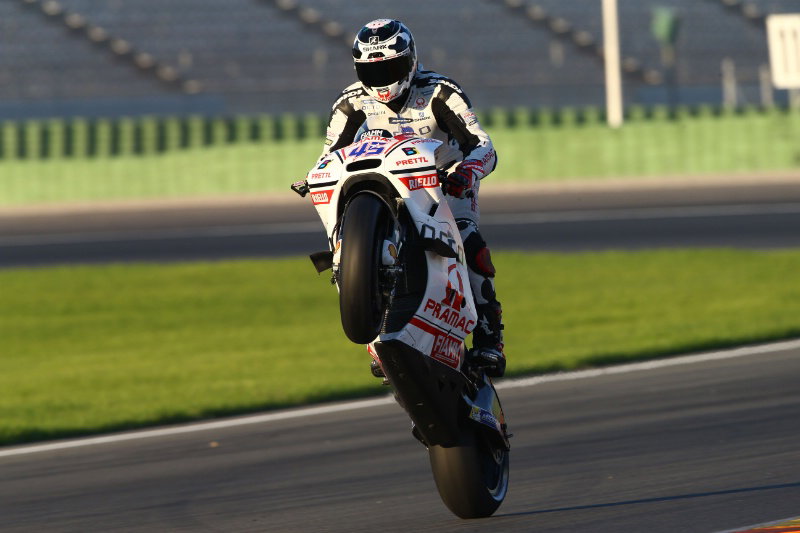
It was one in which Scott Redding impressed, setting a time of 1m 38.9s in the morning, as he continued his rapid adaption to Ducat machinery. Davide Tardozzi said the 22-year old's potential was the marque's big positive to take from the three-day test.

Marc Marquez shrugged off two falls – the first a massive high-side through turn three, the second a front end fall at turn one – to set the second fastest lap time, although the Spaniard was still far from content with Honda's new engine and spec Magneti Marelli electronics package.

Andrea Iannone opted not to push for a fast time and ended the day early, content in the knowledge that he is quickly developing a liking for the Michelin front tyre. Alvaro Bautista fell at the final corner and subsequently felt a pain in his neck, forcing him to prematurely bring a close to his post-season testing programme.

Unofficial MotoGP times

1. Scott Redding GBR Pramac Racing Ducati (Desmosedici GP15) 1m 38.9s
2. Marc Marquez ESP Repsol Honda Team (RC213V) 1m 39.17s
3. Danilo Petrucci ITA Pramac Racing Ducati (Desmosedici GP15) 1m 39.3s
4. Andrea Iannone ITA Ducati Team (Desmosedici GP16) 1m 39.6s
5. Andrea Dovizioso ITA Ducati Team (Desmosedici GP16) 1m 39.7s
6. Dani Pedrosa ESP Repsol Honda Team (RC213V) 1m 39.93s
7. Hector Barbera ESP Avintia Ducati (Desmosedici GP14.2) 1m 39.9s
8. Loris Baz FRA Avintia Ducati (Desmosedici GP14.2) 1m 40.2s
9. Yonny Hernandez COL Aspar Ducati (Desmosedici GP14.2) 1m 40.4s

Of the World Superbike field, the Kawasaki duo of Tom Sykes and Jonathan Rea displayed an enviable pace as they quickly posted times in the 1m 39s.

The Englishman was a full second faster than his best time from Thursday but used a Pirelli qualifying tyre to do so. He was content with pace on used tyres, his Achilles' heal in the 2015 season. Team-mate Rea was just two tenths slower but fell in the afternoon, bringing an end to his four days of testing.

Xavi Fores was the fastest of the Ducati men, while Chaz Davies couldn't replicate his quick morning pace in the afternoon. Nicky Hayden got his first taste of the Italian firm's qualifying rubber as he posted the fourth fastest time.

Again Sylvain Guintoli and his new Crescent Yamaha YZF-R1 didn't set an official time and in Michael van der Mark's absence, the Ten Kate Honda squad gave World Supersport runner PJ Jacobsen an outing on the CBR1000R.

World Superbike times

1. Tom Sykes GBR Kawasaki Provec ZX-10R 1m 39.313s
2. Jonathan Rea GBR Kawasaki Provec ZX-10R 1m 39.524s
3. Xavi Fores ESP Barni Ducati 1199RR 1m 40.617s
4. Chaz Davies GBR Aruba.it Racing Ducati 1199R 1m 40.774s
5. Nicky Hayden USA Ten Kate Honda CBR1000RR 1m 41.028s
6. Davide Giugliano ITA Aruba.it Racing Ducati 1199R 1m 41.164s
7. Leon Camier GBR MV Agusta F4 RR 1m 42.161s
8. PJ Jacobsen USA CORE Thailand Honda CBR600RR 1m 42.848s
 
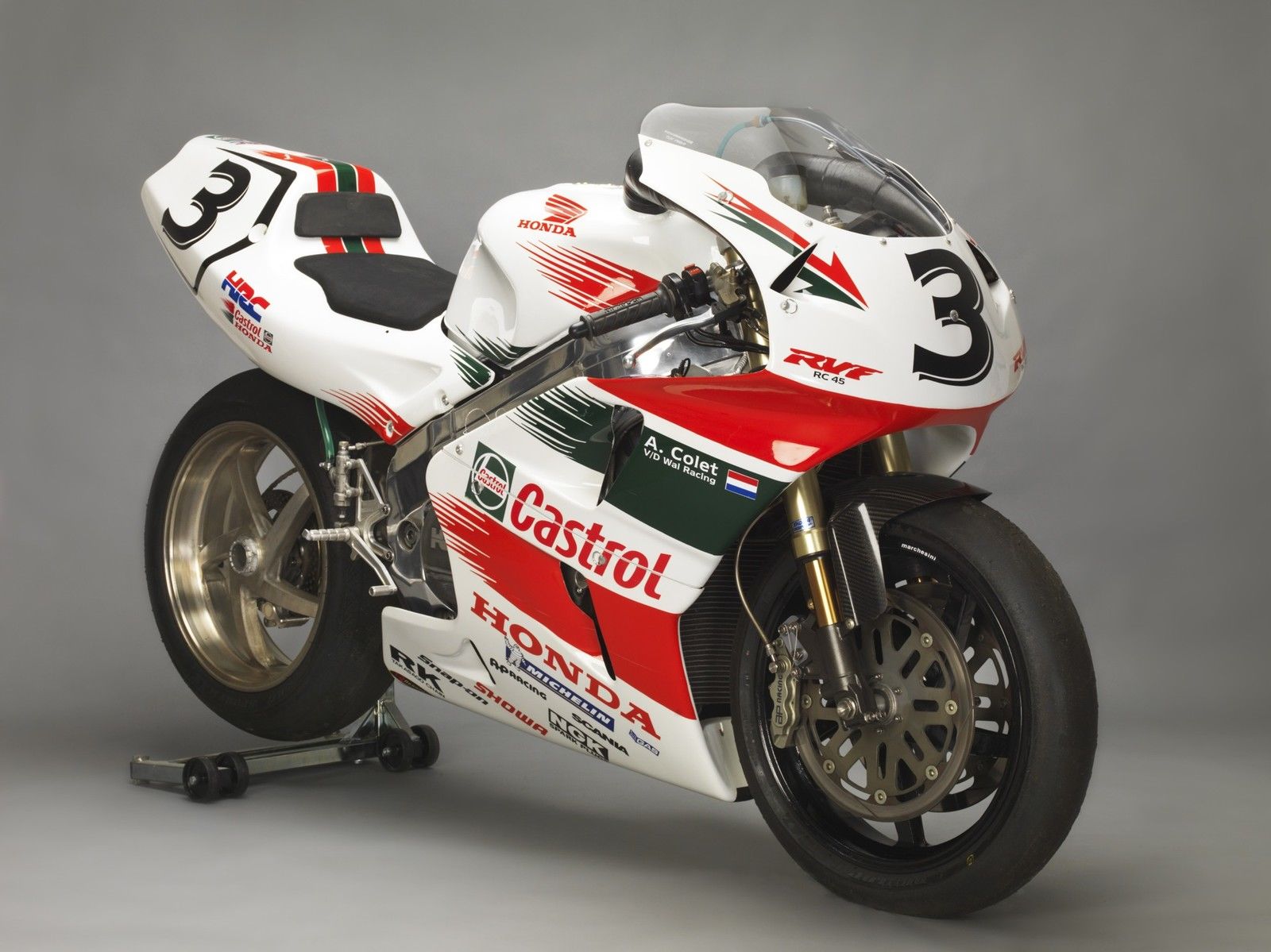
Honda RC45 HRC Classic racebike

£23,000.00

HRC kitted Honda RC45, probably one of few ex-wsbk with existing dokumentation and history from the start 1994.
The bike was built by NL racingteam " V/D Wal Racing " (Johan v/d Wal) accordning to the wsbk regulations in that era with most of HRC parts. Mainly raced in the NL Superbike series and European Superbike series, also some wildcards in wsbk.
After the racing era the bike was owned by an amerikan collector, lived in NL.
I have owned it since 2009 and made a careful renovation / restauration, then used for showrooms and motorshows. This RC45 breathe that racing era !
Run and sounds great, NO bike/engine sounds like a HRC-kitted RC45
Specifikation:
HRC '95 engine kit 160ps included:
HRC piston-rings / camshafts / rods / heads + modif. dito
HRC gears
HRC oilcooler kit
HRC upper / lower kit radiators
HRC electric kit; PGM-FI, RPM-meter, modif. harness etc....
HRC clutch / HRC cover ....
Twinstack with special, non HRC carboncans
520' drive
Frame is modif. with HRC frame reinforcement kit
Tank modif. of HRC drawings
Pro carbon (NL) spec. carbon airbox
Pro carbon (NL) rearset
Ohlins rear damper with linkage
Front fork modif. showa
Rear axel modif. close to HRC specification
Front brake : AP-racing superbike six piston caliper, 320 disc
AP-racing radial brake master pump
Rear brake : small racecaliper with modif. disc
Rear wheel : Marchesini 6.00/17
Front wheel : Marchesini 3.50/17
HRC bodywork in fiberglass (uk)
Spare parts;
Rear wheel 5.75/17
Front wheel 3.50/17 (new)
2 x HRC upper radiators in rebuildable condition
Kevlar tank (NL pro carbon)
1 x Carbon bodywork with lights (NL pro carbon)
1 x Carbon seat unit with lights (NL pro carbon)
1 x Carbon raceseat in rebuildable condition (NL pro carbon)
Oem parts: rear frame, rearaxel bolt/nut, seat cowl and more.....
HRC '95 kit set-up manual
Lots of original documents, HRC documents, HRC-drafts etc...
Registrationdocument is avalible


sBlexln.jpg
 
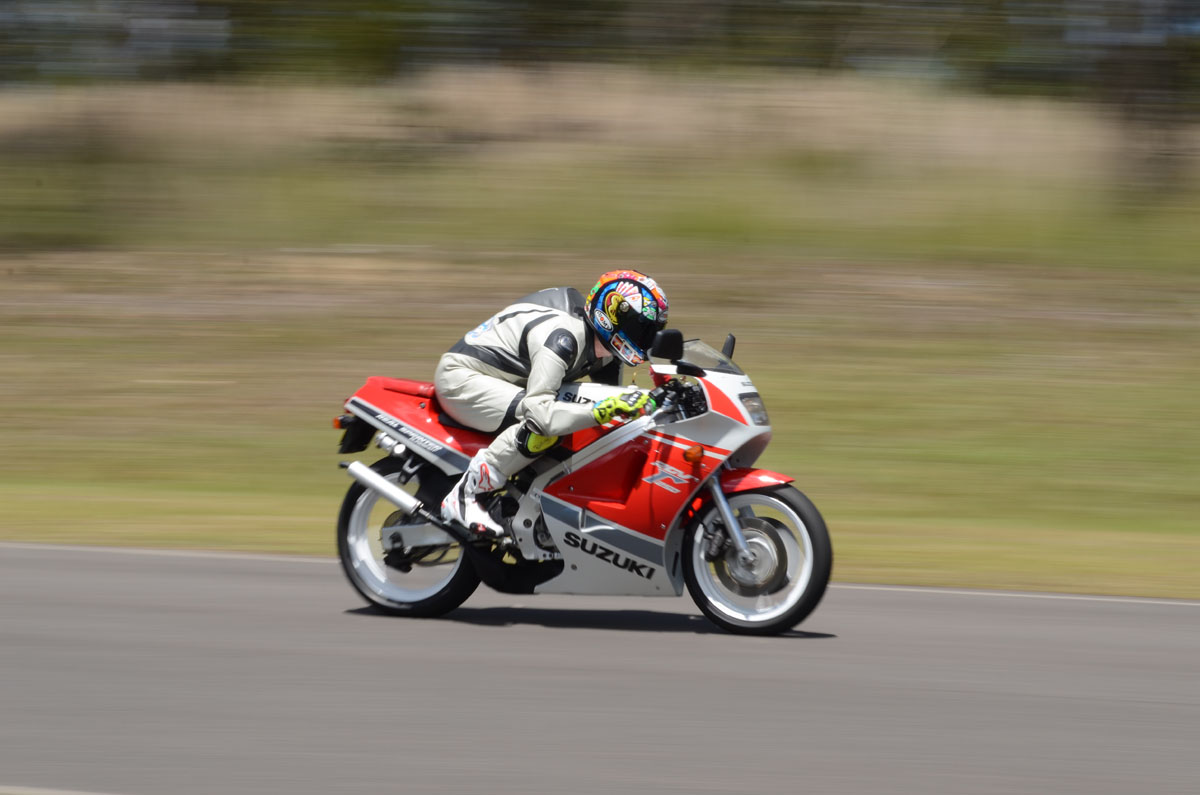
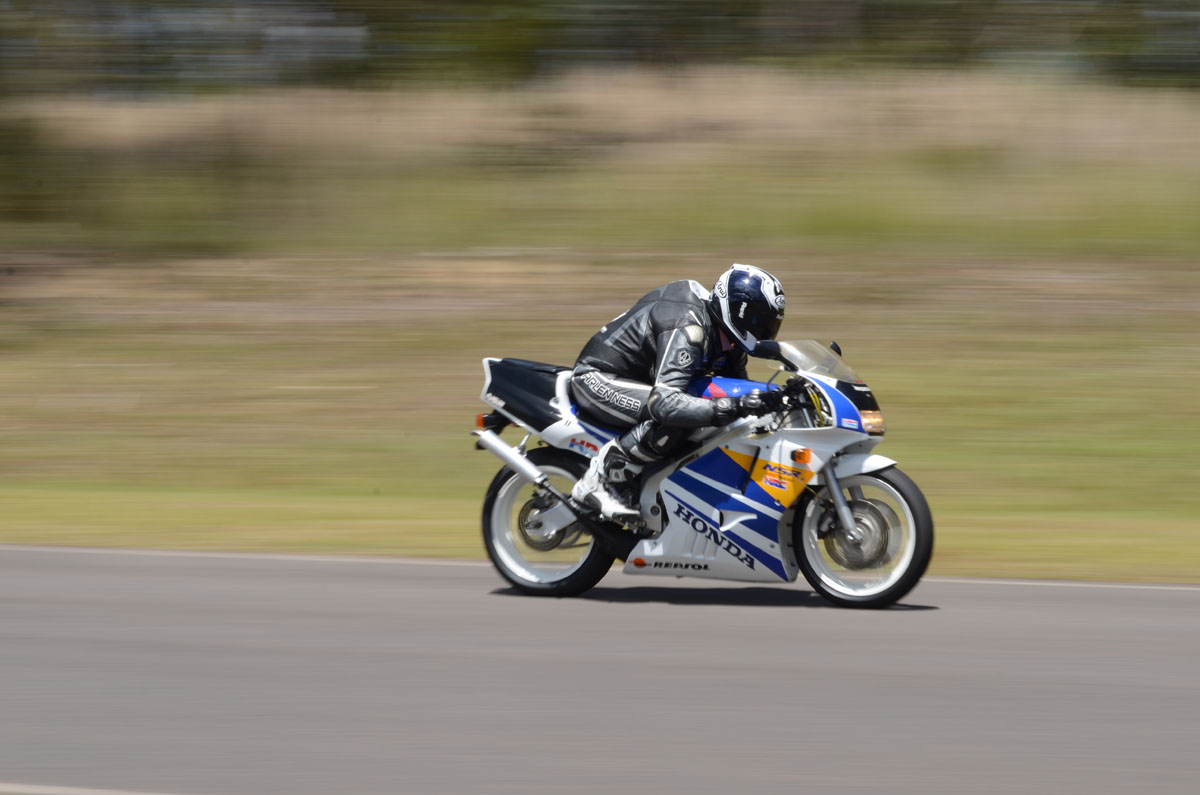
Boy racer dream. RGV v NSR 20-years later... Test: Jeff Ware Photography: Richard Collins, Heather Ware, Kris Hodgson
It’s no secret that I’m a big fan of two-strokes. Sure, I own a few four-strokes and most of my racebikes have had valves and cams but my roots are firmly planted in two-stroke territory. My first dozen or so bikes were oilers and I went from D to A grade racing RGV250s in the mid 1990s. Believe it or not, I’d not ridden an RGV since 1996 so when this offer came up I was absolutely stoked. I knew it was going to be a highlight of my riding and journalistic career so far. So much so that I decided to lock in a day at The Farm to really make it special. Two riders and two of the coolest bikes ever on the world’s most exclusive private testing facility – pure boy racer nirvana. Now there’s a band that comes to mind when I think back to my RGV days…
I was acting like a kid three days before Christmas in the lead up to the test, hanging to feel 19 again, getting that powerband rush, inhaling the luscious two-stroke fumes…
Rocking up to The Farm on a perfect sunny day to find an immaculate RGV250 and an equally stunning NSR is a mindblowing experience. Close to six kilometres of tarmac perfection, brand new tyres, fresh kneesliders and full fuel tanks meant the day was going to be serious fun – not to mention an absolute blast from the past. If only I could have found my Tumbleweed 1992 tour shirts to wear. Or even an old Hypercolour!
Once static photography duties were out of the way both owner Jamie and myself were hanging to ride – I’m actually more excited than I was when I rode all of the World Superbikes at Portimao. That just shows how much of a lasting impression bikes can have during our early riding years.

THE RIDE
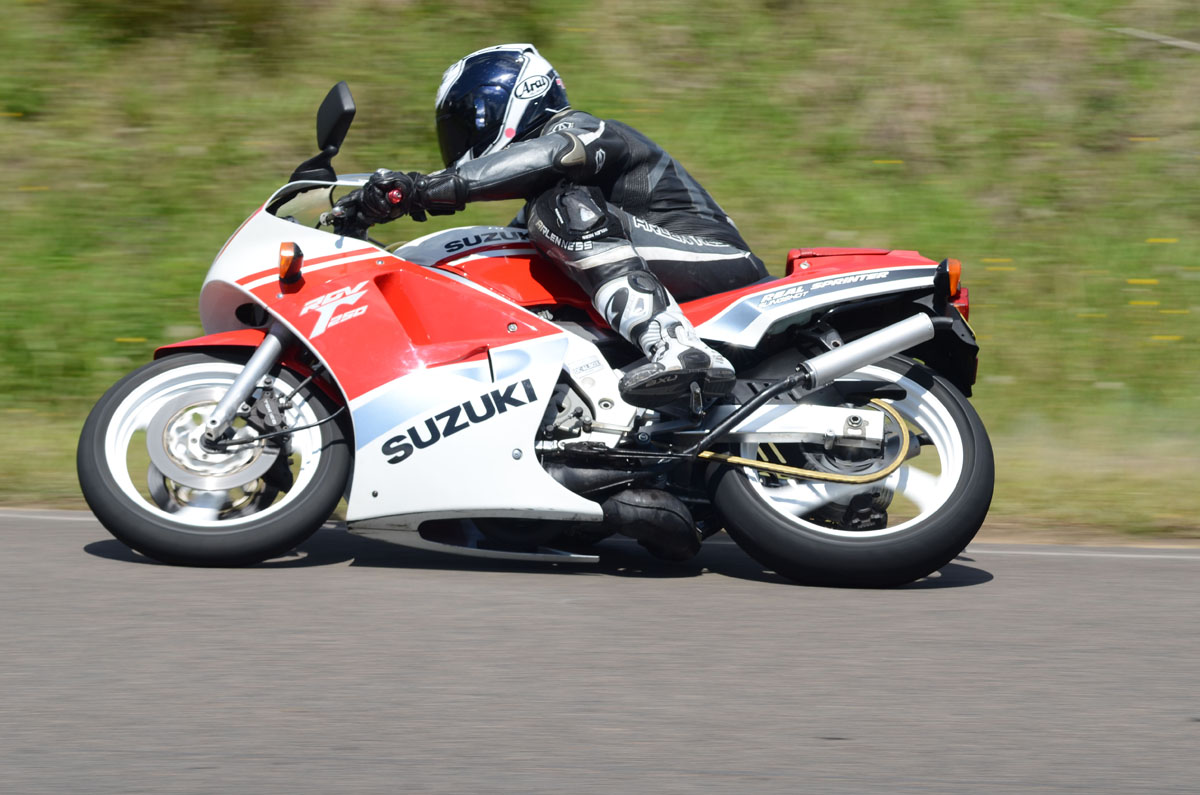
Memories of riding my RGV are still fresh and as I fire the red and white scream up the past 17-years vanish. This could easily be 1994, when I first jumped on my M model RGV to ride home. Or 1993, when I was a first year apprentice and the bike shop I worked in (Willing MC) had a second hand red L model RGV in the showroom that I used to lust over every morning tea break. It’s a real thrill for me. Hell, in 1989 I remember having an RGV brochure as the cover of my school folder…
The familiar rasp of the RGV pipes overlayed by that unmistakeable ‘blender full of nuts and bolts’ sound an RGV engine makes at idle turns to a crisp deep braaaaap as I open up the 34mm Mikuni slides and launch off towards the esses. I instantly feel at home on the RGV but I was 65kg last time I rode one – far from the 95kg old man I am now – so I don’t quite feels as compact. In fact, a picture of a Gorilla humping an orange springs to mind…
At 128kg dry, the RGV is incredible light, nimble and gives a true sportsbike experience – in fact, after a lap I’m already satisfied that it’s the best bike I’ve ridden around The Farm after the TZ250 I rode here once. I’ve yet to jump on the NSR, however…
Keeping the sweet 90 twin between 8000 and 11000rpm is a buzz and really, the bike screams. I forgot just how fast these things were and I’m also impressed with the pull from mid-range that the single stage powervale L model has off the slower turns.
The brakes are stunning and the chassis is a dream. Even the 22-year-old shock is coping well.
I decided to ride both bikes in quick succession then swap back again for a longer test. I’m impressed with the RGV and as I park the RGV after a short stint and jump on the NSR, I’m buzzing.
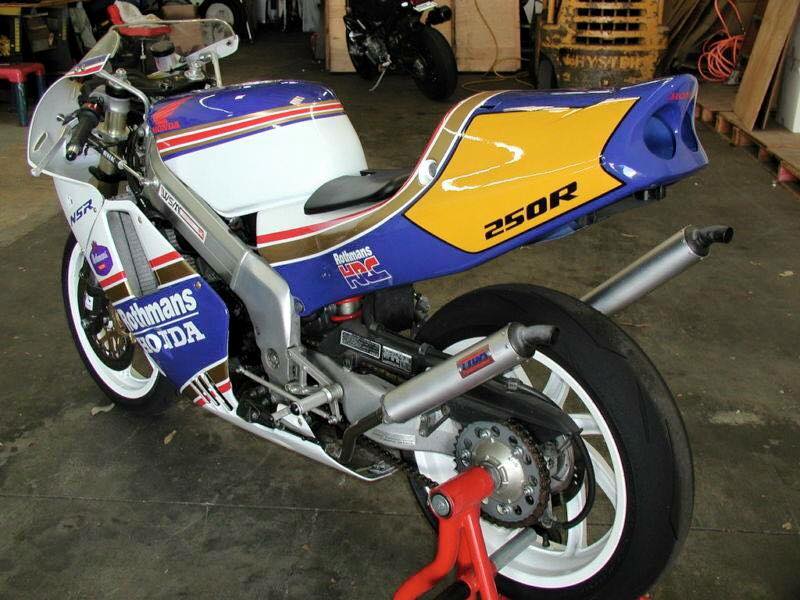
The MC21 NSR is one sexy machine and I was really looking forward to riding it. I’ve heard so many stories about the sublime geometry and top end kick. Just looking at the bike I felt like a factory Honda 250 GP rider!
With a lot more technology than the RGV, including an ECU similar to that on the RC30 and geometry borrowed from the RS250 and NSR250 GP bikes, I knew the NSR would be good. The bike uses a PGMIII ECU that is coupled to a throttle position sensor and gear position sensor. With those inputs plus rpm, the ECU monitors and controls the powervales and ignition timing to give optimum performance. Very trick stuff for 1990!
Hopping on the NSR revealed a more compact ride that feels more like a true GP bike. Mechanically the Honda is quieter and the throttle is crisper than the RGV. The rattle of the dry clutch really gets me grinning – seriously – no modern bike can replicate this kind of buzz…
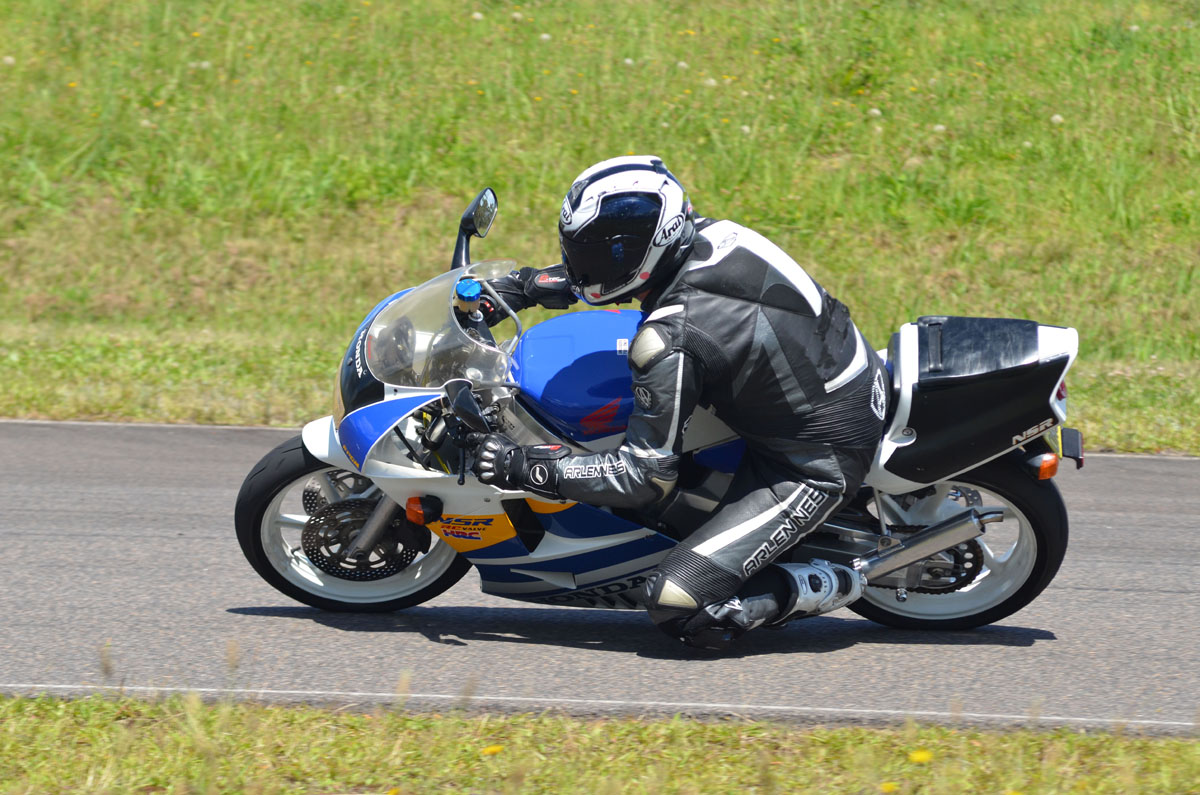
The NSR chassis is simply sublime. The front end is so planted that I feel as though I’m holding the front axle. Feel and feedback from the front tyre is more confidence inspiring, the chassis reacts just as fast as the RGV to steering inputs but it does so a more refined and stable way and the brakes are stunning. In every level of handling and chassis performance the NSR is 15 per cent better than the RGV. The engine has better peak power than the Suzuki but surprisingly doesn’t quite have the same pull off the slower corners, which means overall on a tight circuit, the RGV would probably make a faster, although messier, lap time than the hi-tech NSR.
Back on the RGV and I’m really getting stuck in now. Jamie and I are fanging around together and swapping bikes back and forth. Both are sensational and running perfectly. We’ve done dozens and dozens of laps and neither bike has missed a beat.
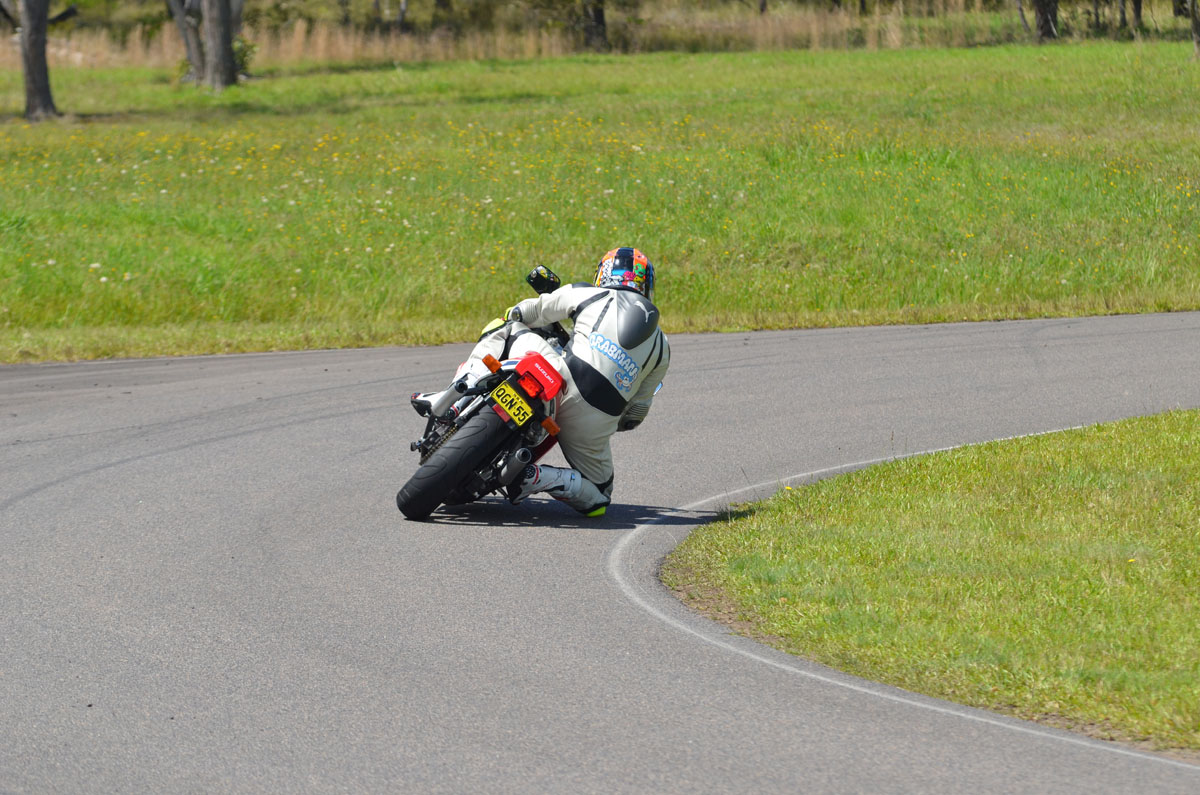
Pushing the RGV hard comes naturally to me. I’m scraping my entire leg – toes, ankle, calf, shin, knee through the turns as I lean the bike over to impossible angles, carrying great corner speed as the bike gently two wheel drifts about a foot to the outside between the apex and the exit of each turn. It’s a graceful ‘crab’ walk I remember from my proddie days – the absolute limit of an RGV. It felt good to get there and feel so in control and comfortable even at 37 years old. Just shows how good these little bikes are…
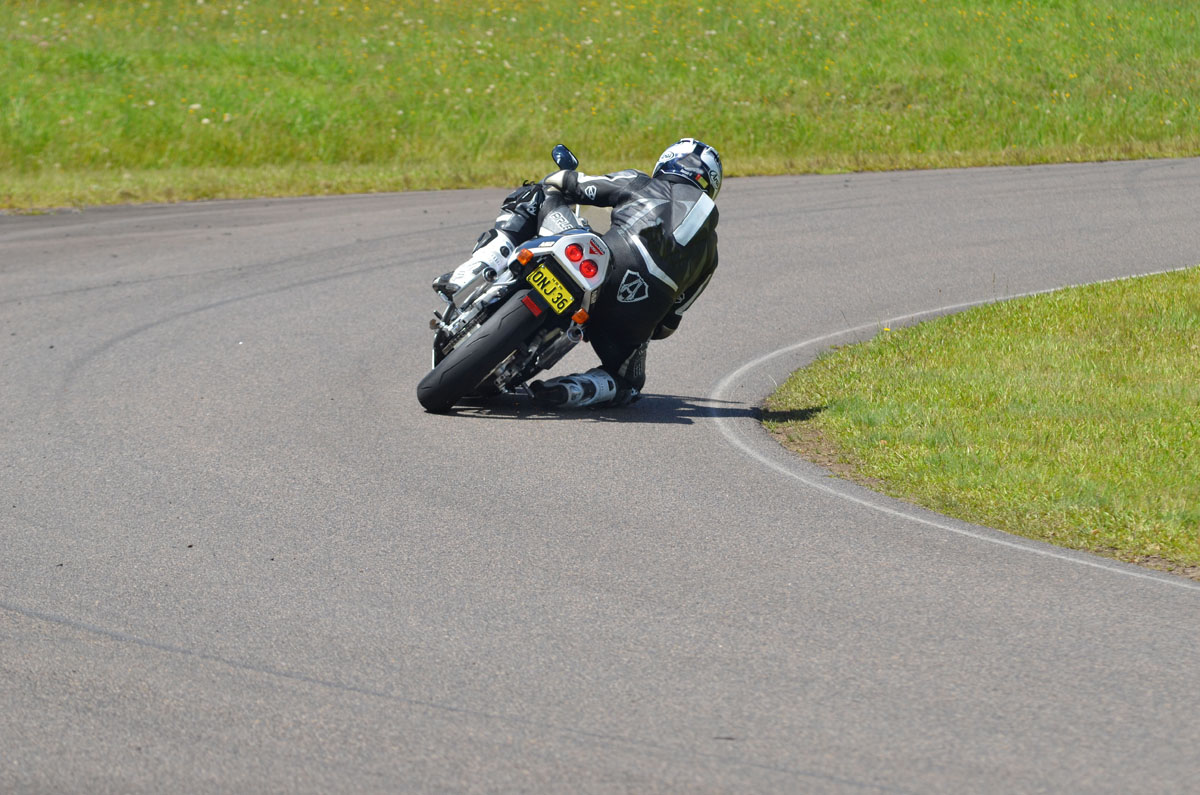
Back on the NSR it’s slightly different. A faster, sweeping line through the corners with equally insane lean angle. But the mighty Honda geometry means the NSR makes more use of the sticky hoops, with more mechanical grip and no sliding aside from the odd front end tuck into the slow esses, easily caught by digging the knee in. That’s the beauty of these old lightweight two-strokes. Try that on a modern heavy four-stroke and you’re on your arse…
The NSR is more compliant in quick changes of direction and the suspension settles faster than the RGV set-up when flicking from full lean angle to full lean angle. Both bikes are stable on the brakes but the NSR is slightly more composed and has more brake feel, so can be braked harder and a little deeper.
Engine-wise I prefer the RGV. Despite the technology and top end, the NSR gearbox is a difficult shift and the lack of response at 8000-9000rpm gives the nod to the RGV.
Chassis-wise the NSR has it all over the Suzuki but both bikes are better than most modern machines. They really are from an era where us punters truly did benefit from grand prix racing. Long live the race replicas…
 
SPECIFICATIONS
1990 Honda NSR 250 R
Claimed power: 34kW[45hp]@9500rpm
Claimed torque: 33Nm@8500rpm
Dry weight: 132kg
Fuel capacity: 16L
Engine: Liquid-cooled 90 V-twin two-stroke
Bore and stroke: 54 x 54.5mm
Displacement: 249cc
Compression ratio: 7.4:1
Fuel delivery: Crankcase reed valve induction
Ignition: CDI PGM-II
Exhaust: Dual HM KV3H SANKEI 2284 mufflers
Ratios: 2.846, 2, 1.578, 1.333, 1.190, 1.083
Final ratio: 2.667 (40/15)
Clutch: Wet multi plate, with coil springs
Final drive: Chain
Frame type: Twin-spar aluminium frame
Swingarm: Alloy Gull-Arm swingarm
Wheelbase: 1340mm
Rake: 23
Trail: 87mm
Front suspension: Telescopic oil filled damper with spring preload adjustment.
Rear suspension: Gull-Arm with external coil and damper, variable spring preload with Albach spring.
Front brake: Dual floating 276mm rotors with cast aluminium four piston calipers.
Rear brake: Single 220mm rotor with cast aluminium single piston sliding caliper.
Front wheel: Six-spoke aluminium Enkei, 110/70, 17in
Rear wheel: Six-spoke aluminium Enkei, 150/60, 17in
Front tyre: Pirelli Diablo Supercorsa
Rear tyre: Pirelli Diablo Supercorsa
Seat height: 770mm
Overall height: 1060mm
Overall length: 1975mm
Overall width: 655mm
Ground clearance: 135mm
Instruments: Analogue dash

Extras: TIGA rearsets, carbon-fibre rear hugger and heel guards, Hel braided lines.

1990 Suzuki RGV 250
Claimed power: 43.3kW[58hp]@11000rpm
Claimed torque: 37Nm@10800rpm
Dry weight: 128kg
Fuel capacity: 17L
Engine: Liquid-cooled 90 V-twin two-stroke
Bore and stroke: 56 x 50.6mm
Displacement: 249cc
Compression ratio: 7.5:1
Fuel delivery: Mikuni VM34SS carbs
Ignition: Suzuki Pointless Electric Ignition
Exhaust: Dual mufflers
Ratios: 2.454, 1.625, 1.235, 1.045, 0.916, 0.840
Final ratio: 3.066 (46/15)
Clutch: Wet multi-plate
Final drive: Chain
Frame type: Deltabox frame
Swingarm: Box-section alloy
Wheelbase: 1375mm
Rake: 25.75
Trail: 98mm
Front suspension: Telescopic oil damped five-way adjustable forks, 120mm travel
Rear suspension: Full floating oil damped seven-way adjustable shock with Albach spring, 140mm travel
Front brake: Dual 300mm rotors with four-piston calipers
Rear brake: Single 210mm rotor with two-piston caliper
Front wheel: Three-spoke alloy wheel, 110/70, 17in
Rear wheel: Three-spoke alloy wheel, 140/60, 18in
Front tyre: Bridgestone Battlax BT003F
Rear tyre: Bridgestone Battlax BT090R
Seat height: 755mm
Overall height: 1065mm
Overall length: 2015mm
Overall width: 695mm
Ground clearance: 120mm
Instruments: Analogue dash

SPECIAL THANKS
Craig White WRP (see ad this issue), Will Scott, Trevor Lusby, Two-Stroke Race Lab in Greece, Crab Shack Skate Shop, Ross Greentree, Keith Greentree,


RGV250 Versus NSR250 Retro Strokers - Bike Review
 
1983 XR1000 - MHC Workshop


I am a teacher and I take care always careful of my students, and in fact these images I have suggested in my ward who in his blog El Corra Motors which is almost single-subject, dealing mostly small-block V-Twin.
I think that for now he has become an addiction, with serious implications family.
But this is not imported the bike that I want to show ...


A beautiful and rare XR 1000 has been completely modified by MHC Workshop Marseille. At first glance they could mislead into thinking a motorcycle from Japan, where there are many shops and enthusiasts to work on these bikes.
Of course the result is great although they risked a lot to work on a bike that for many it remains a dream in the original version


Honda plan superbike double


Published: Yesterday 09:30

Hot new road-focused Fireblade and exotic RVF1000 V4 for 2017

  • 0.jpg
  • 1.jpg
  • 2.jpg
  • 3.jpg

Honda are planning to unleash two new sportsbikes with a heavily updated CBR1000RR Fireblade and an all-new RVF1000 V4, which will draw much of its inspiration from the RC213V-S MotoGP replica.

If given the go-ahead, the new Fireblade – expected to arrive in 2017 – would be based on the current CBR1000RR, but sporting a refresh that will drag it firmly into the superbike electronics war.

Regardless of the updates, the Fireblade would continue to be aimed at those owners who want a more affordable road bike that has been tuned and built to be usable, rather than focused on pure track performance.

Those wanting something that has been designed as a track weapon from the outset will have to dig a little deeper and set their sights on the RVF1000 V4. Providing it gets the green light, this bike is likely to target the likes of Yamaha’s YZF-R1M, Aprilia’s RSV4 RF, and the Ducati Panigale R – arriving with a price tag of around £25,000.

But, just like the troubled birth of the RC213V-S, Honda could take years to decide what specification and price to pitch the RVF at, and – as the firm nearly did with the V-S on several occasions – there’s every chance that this stalling could even kill the project.

Our factory sources have also hinted that the RVF could be usurped by a closer RC213V-S clone, built to a much lower spec than the road-going MotoGP rep released this year, and costing in the region of £50,000. That might sound expensive, but there’s enough people willing to pay that to make it viable for Honda.

MCN recently uncovered patent and trademark drawings and details for an all-new Honda RVF1000 V4 sportsbike, which was clearly destined to be a road bike, and revealed that it shared many basic elements and design solutions with the RC213V-S, while making use of far more cost-effective parts like its cast aluminium subframe. While Honda would neither confirm nor deny that an RVF will make it to production, the firm has now gone on to make trademark applications to re-register the famous RVF name.

At the recent Milan show, MCN quizzed Tetsuo Suzuki who is the head of Honda’s Research and Design department, which is responsible for road bike development and which also runs the Honda Racing Corporation (HRC), about these discoveries.

In surprisingly candid form, Suzuki revealed: “There are three projects which Honda has raised and all of these are under serious consideration at the moment. The superbike market has changed a lot over the past few years and we need to make sure we take this into account in our decisions.

“The three options open to us include a new replacement for the Fireblade, the RVF1000 you have mentioned and also a cheaper version of the RC213V-S. We will be studying all three in parallel and all are under serious consideration, but it is likely there will be one or perhaps two of the three options made for production.

“In terms of the future of the Fireblade we do not want to make something that is as extreme as some bikes, like the Yamaha R1M for example. The performance and concept [for the Fireblade] is not aimed at track riders; that’s not the purpose of the bike. The concept is to have a usable road bike.

“As far as the possibility of an RVF1000 that will be derived from a cheaper version of the RC213V-S platform and engine, then that is one possible path.”


What’s likely to happen to the Fireblade?

The CBR1000RR is one of the last remaining dinosaurs in the superbike class, recently being demoted another step by the unveiling of Suzuki’s high-spec 2016 GSX-R1000. A comprehensive update is well overdue if Honda expects the bike to compete in the showroom, and regardless of the arrival – or not – of an RVF or budget RCV-S, MCN’s factory sources suggest that the new Fireblade will appear as a 2017 model.

The current model Fireblade’s family tree started in 2008 with the launch of an aggressive all-new model, which represented a radical departure from the 2004 to 2007 models. The snub-nosed ’08 bike was an instant class leader, but despite updates in 2010 and 2012, and the addition of an SP version in 2014, it’s essentially the same 2008 bike beneath. In contrast, rivals from almost all other manufacturers have leapt into a completely different league of performance, kick-started by BMW’s 2010 S1000RR.

MCN understands the focus of 2017’s Fireblade will be aimed at reducing internal engine component weight and friction, a new airbox, increased power, a new fuel injection system and exhaust. The new Blade is also expected to get a host of new electronics to add to the existing C-ABS system, including traction control and riding modes. A big question remains over how far Honda will go with electronics, having always maintained that they don’t believe in relying on electronics for control – a mantra Suzuki have also adopted for their 2016 GSX-R1000.


RVF1000 taking shape

MCN revealed Honda had filed a host of patents surrounding a V4-engined road bike back in October, and we have seen patents dated as far back as 2014.

No fewer than five patents were drawn up in 2014 and they all relate to a new V4 motorcycle which clearly bears a striking relationship to the
RC213V-S, but while the engine is familiar, the rest of the bike is quite new. The biggest differences can be seen in the chassis, which does away with the hand-built frame of the £140,000 RC213V-S, and replaces it with a cast aluminium version that works as a monocoque, incorporating the airbox, and leaving the engine as the widest part of the bike. Not only is the casting simple and cheap to produce – relative to the wildly expensive hand-made RC213V-S chassis – but it’s made of just a few parts, and the patents reveal that it’s designed with a pillion in mind.

While Suzuki-san wouldn’t be drawn further about the relative chances of a £25k RVF triumphing over an even more expensive RCV-S derivative, MCN believes that the RVF is the more likely route, and that a production version will be unveiled in 2017, arriving in dealers a year after the updated Fireblade.
 
Back
Top