

Three days later, on 19 April 1943, Hofmann intentionally ingested 250 micrograms of LSD, which he thought would represent a prudently safe, small amount, but was in fact a strong dose. At first, his trip was not pleasant, as people appeared to morph into fantastic creatures, office furniture moved and shifted like living entities, and he felt possessed by otherworldly forces... affected by a remarkable restlessness, combined with a slight dizziness. At home I lay down and sank into a not unpleasant intoxicated[-]like condition, characterized by an extremely stimulated imagination. In a dreamlike state, with eyes closed (I found the daylight to be unpleasantly glaring), I perceived an uninterrupted stream of fantastic pictures, extraordinary shapes with intense, kaleidoscopic play of colors. After some two hours this condition faded
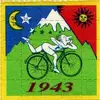
19 April is now widely known as Bicycle Day, because as Hofmann began to feel LSD's effects, he tried to ride to the safety of his home on his bike. This was the first intentional LSD trip in history.
Hofmann's research with LSD influenced several psychiatrists, including Ronald A. Sandison, who developed its use in psychotherapy. Sandison's treatment at Powick Hospital in England received international acclaim.
Hofmann continued to take small doses of LSD throughout his life, and always hoped to find a use for it. In his memoir, he emphasized it as a "sacred drug": "I see the true importance of LSD in the possibility of providing material aid to meditation aimed at the mystical experience of a deeper, comprehensive reality."
Albert Hofmann lived to 102