

I’m late to the party but wow! If you are still around thank you. Child of Rage killed me and my wife. This needs to get out again.
DISTURBING ART PIECES THAT CHALLENGES PEOPLE'S SANITY
Among all the peaceful still lives, noble portraits and soothing art pieces, there are paintings that give audiences a more unsettling and disturbing view on creativity. These paintings go from mildly weird or strange to absolutely shocking and deranged.
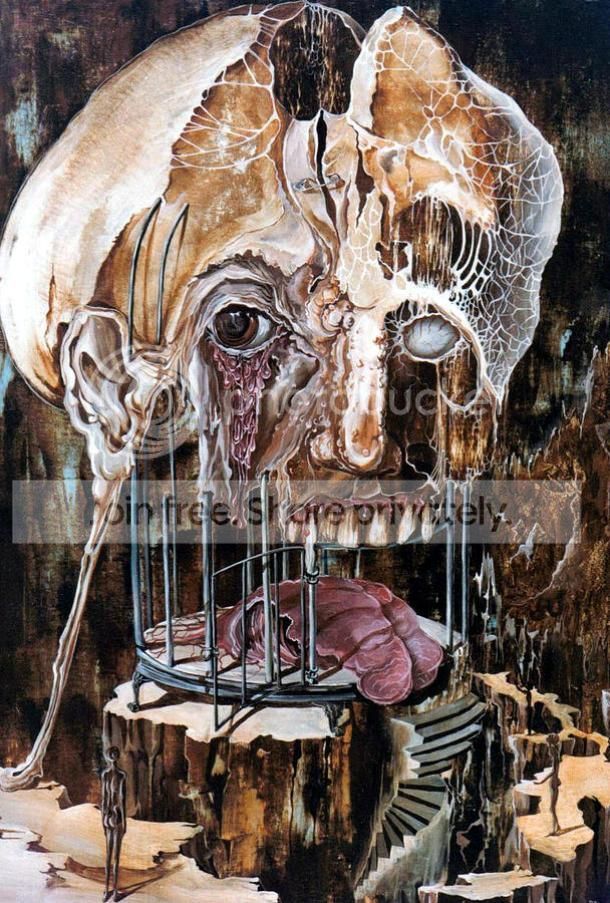
Deterioration Of Mind Over Matter

This 1973 painting by Austrian author Otto Rapp depicts a frightening depiction of a decomposing human skull on a devilish birdcage in which the raw gore of mans physical being lies lifeless at the base.
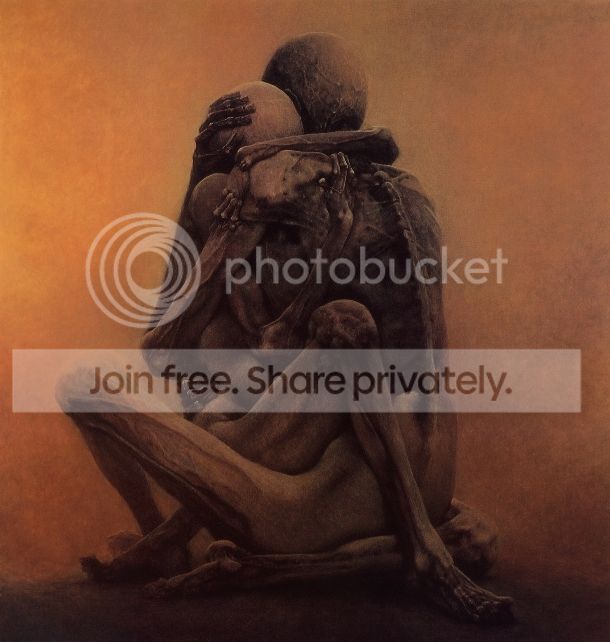
Untitled Painting
This dreary oil painting by Polish author Zdislaw Beksinski does not have a name. We only know it was painted in 1984, in the period when Beksinski´s main subject was utopian realism, surreal architecture and doomsday scenarios.
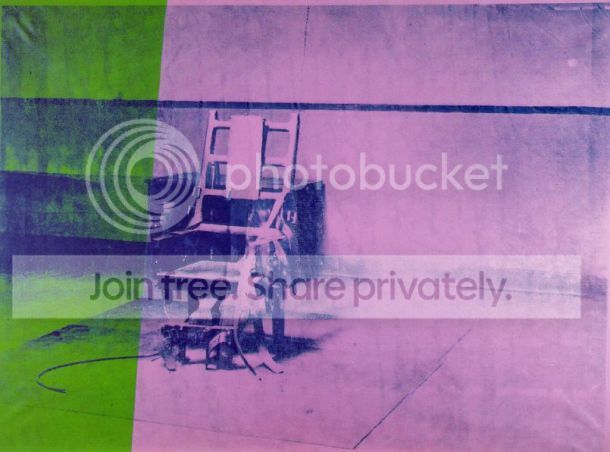
Big Electric Chair
Painted in 1967 by famous American pop art painter Andy Warhole, this painting was part of series depicting electric chairs. Warhole made the series in a period when he focused on bleak themes such as death, disasters, suicides or car crashes.
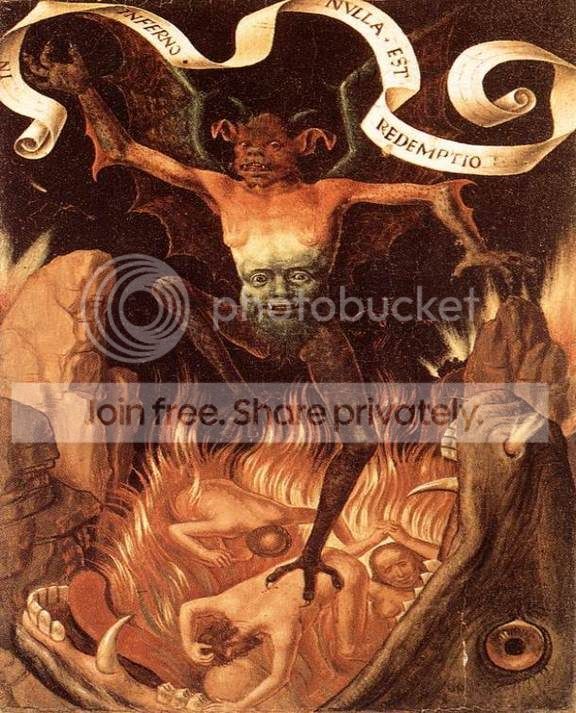
Hell
This 1485 painting by German author Hans Memling is one of the scariest art works during its time and was used to force people to live virtuous lives. Memling even amplified the terrifying effect of the outrageous scene by adding the banner saying: “In hell there is no redemption.”
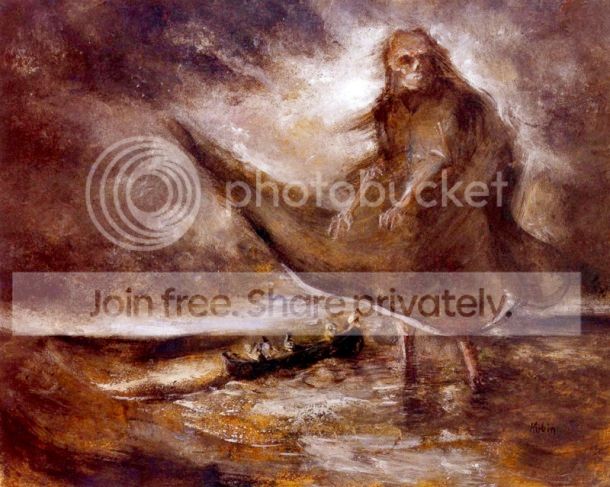
The Water Ghost
Artists Alfred Kubin, is considered an important representative of symbolism and expressionism and is noted for dark, spectral, symbolic fantasies. The Water Ghost is one of such works, depicting torment and impending doom at sea.
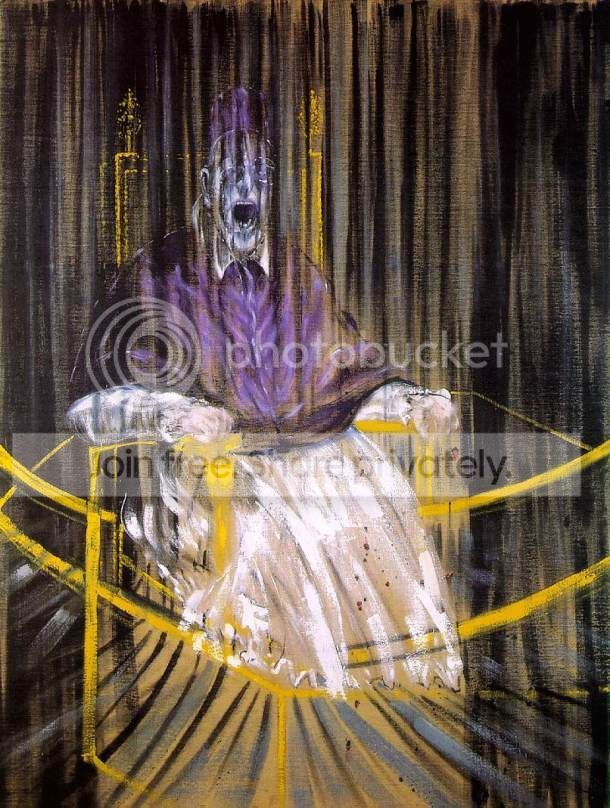
Study After Velazquez´s Portrait Of Pope Innocent X
One of the most famous paintings by Francis Bacon was completed in 1953. The work is one of a series of over 45 variants of the Velázquez painting which Bacon executed throughout the 1950s and early 1960s. In Bacon´s version, the pope is depicted screaming with sinister drapes on a dark, blurry background.
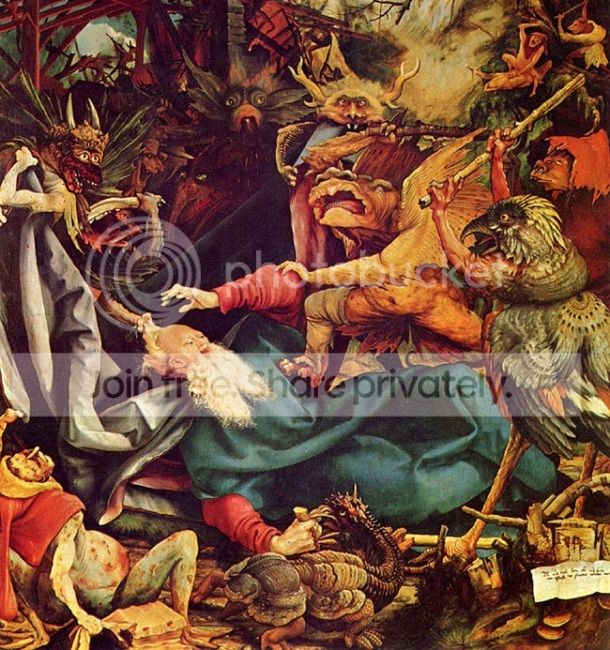
The Temptation of Saint Anthony
The Temptation of Saint Anthony was an inspiration for numerous painters including Hieronymus Bosch, Paul Cézane and even Salvador Dalí. But Matthias Grunewald´s oil on wood version of the theme is one of the most impressive and intense.
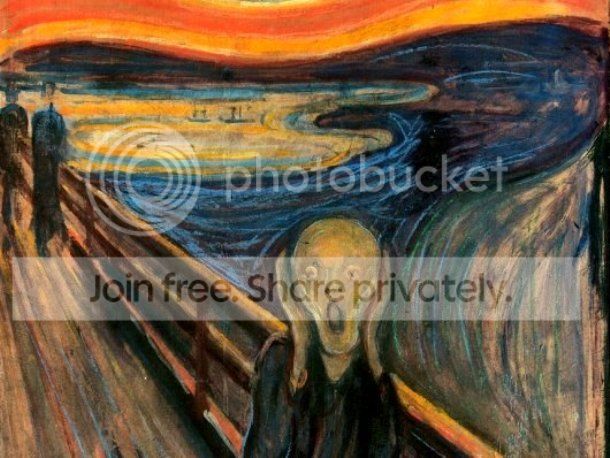
The Scream
The Scream is a series of expressionist paintings and prints by Norwegian artist Edward Munch that show an agonized figure against a blood colored sky. Though bizarre in appearance, the Scream was originally inspired by an evening walk in which Munch witnessed a “blood red” setting sun while perceiving a sense in which nature was screaming.
Gallowgate Lard
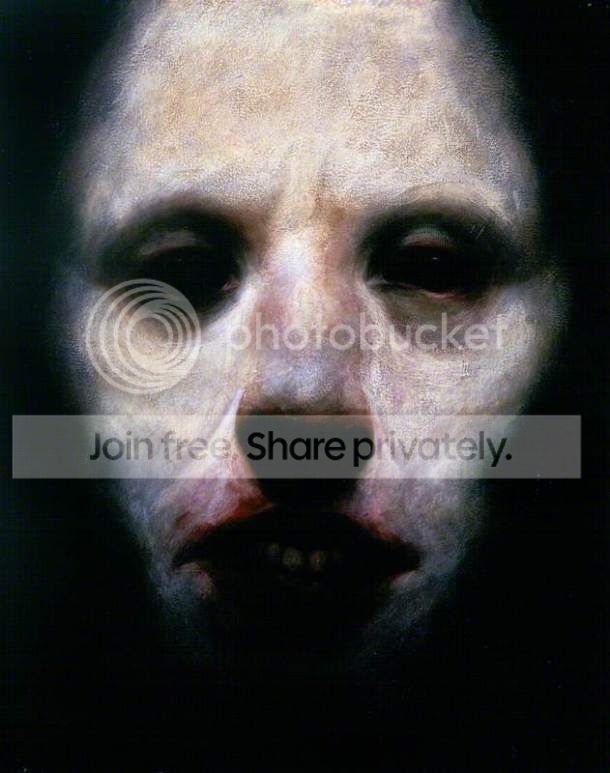
This thick oil painting by Scottish author Ken Currie is supposed to be his self portrait. Currie specialized in grim, socio-realistic subjects and depicted the bleak urban life of the Scottish working class.
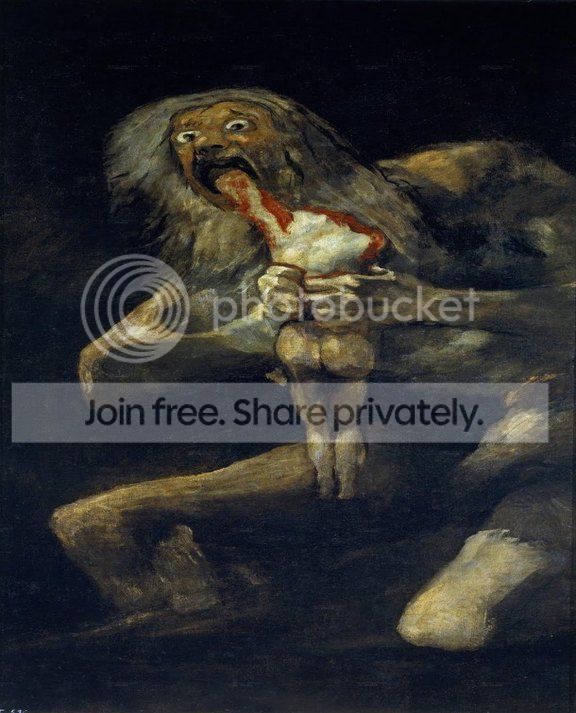
Saturn Devouring His Son
One of the most famous and disturbing works by Spanish artist Francisco Goya was actually painted on his house wall between 1820 and 1823. Saturn Devouring His Son was based on the Greek myth of the Titan Chronus (Romanized to Saturn) who feared that he would be overthrown by one of his children. His solution was to eat each one upon their birth.
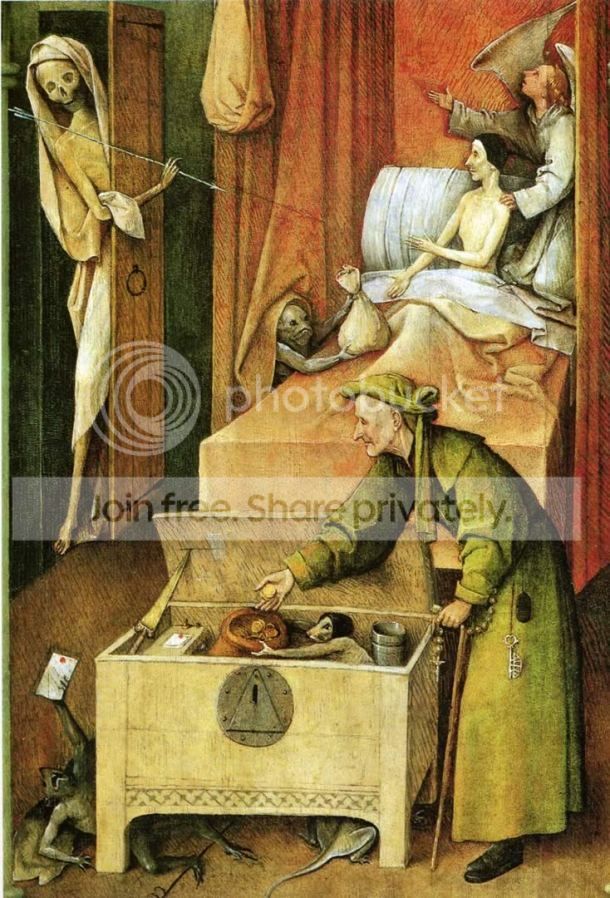
Death And The Miser
Currently housed in the National Gallery of Art in Washington, D.C, Death and Miser by Hieronymus Bosch is a chilling example of a “memento mori” (Latin for ‘remember that you will die’). This type of art reminded the viewer of the certainty of death and the vanity of earthly life.
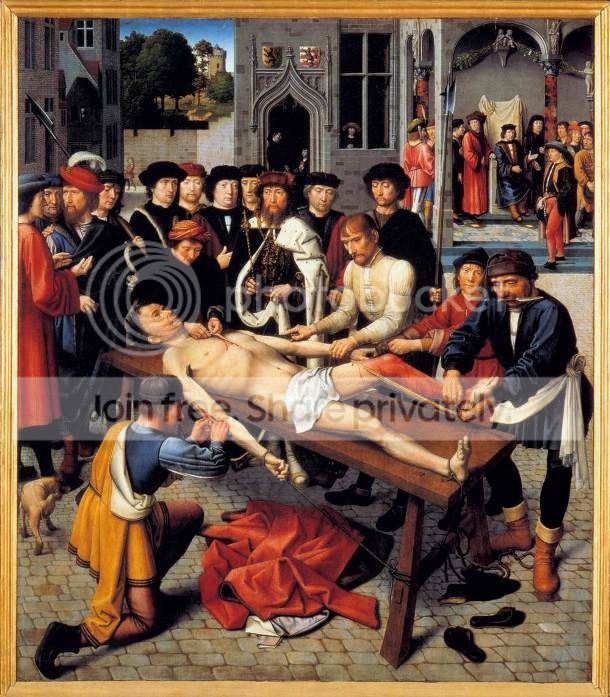
The Flaying Of The Corrupt Judge Sisamnes
The Flaying of the Corrupt Judge by Gerard David is now deposited in the Groeninge Museum, Bruges, Belgium and was based on a Herodotus story about a judge who accepted a bribe and delivered an unjust verdict. As punishment, the king had him flayed alive.
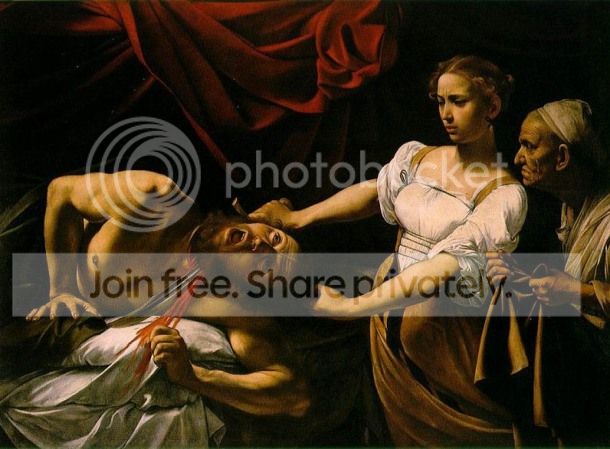
Judith Beheading Holofernes
The beheading of Holofernes was depicted by artists such as Donatello, Sandro Botticelli, Giorgione, Gentileschi, Lucas Cranach the Elder and many others. However, Caravaggio’s 1599 painting highlights the moment of greatest dramatic impact, the moment of the decapitation itself.
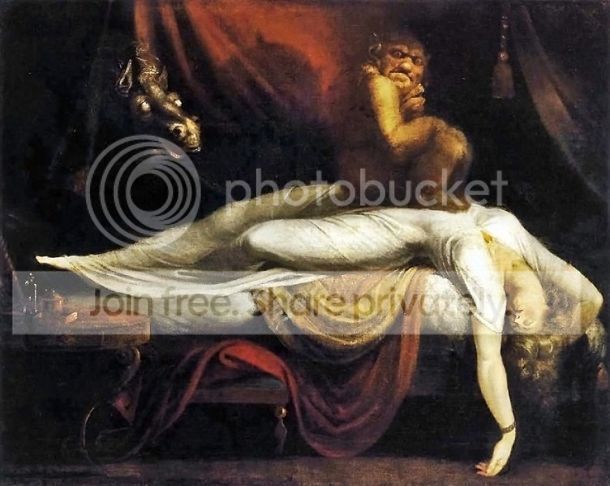
The Nightmare
An oil painting by Swiss painter Henry Fuseli; The Nightmare was first displayed at the annual Royal Academy Exhibition in London in 1782 where it shocked visitors as well as the critics.
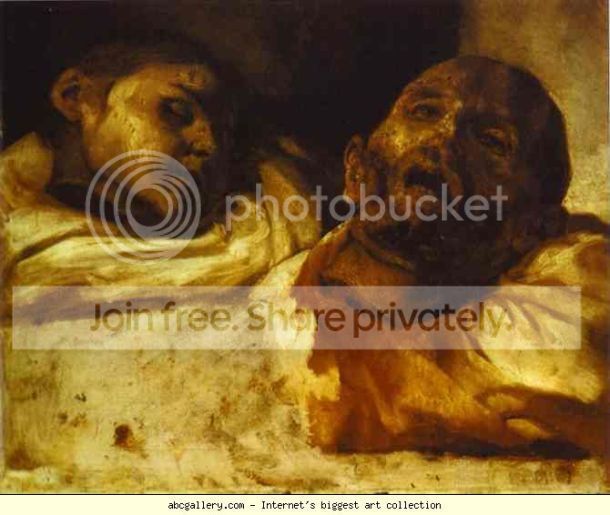
Heads Severed
French painter Theodore Gericault (who was known for his naturalistic renderings of distressed anatomy) finished this painting in 1818.
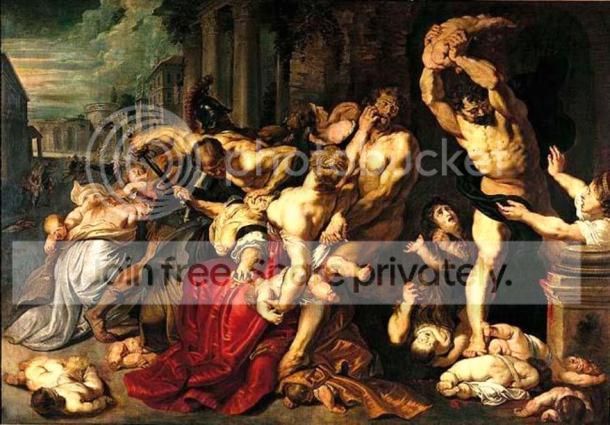
Massacre Of The Innocents
This intense piece of art by Peter Paul Rubens consisting of two paintings and completed in 1612 is thought to have been influenced by famous Italian painter Caravaggio.
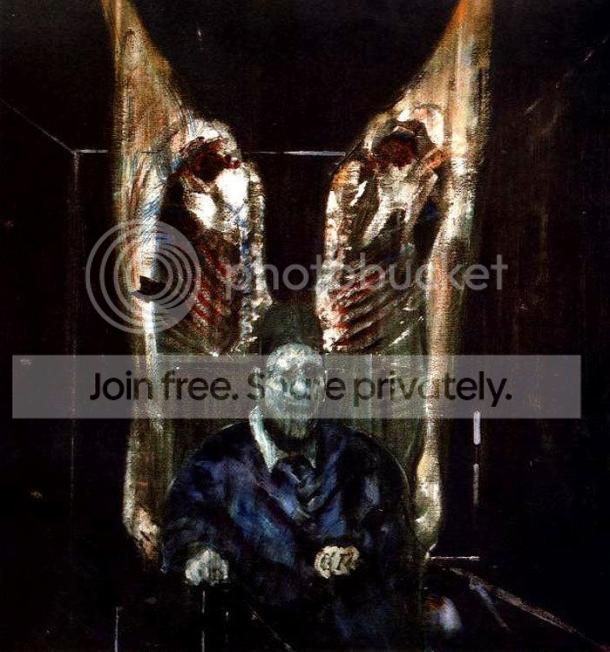
Figure With Meat
Francis Bacon finished this painting in 1954. He based the painting on Velazquez´s portrait of Pope Innocent X but made the Pope look like a gruesome figure. He even amplified the terrifying effect by adding two bisected halves of a cow.
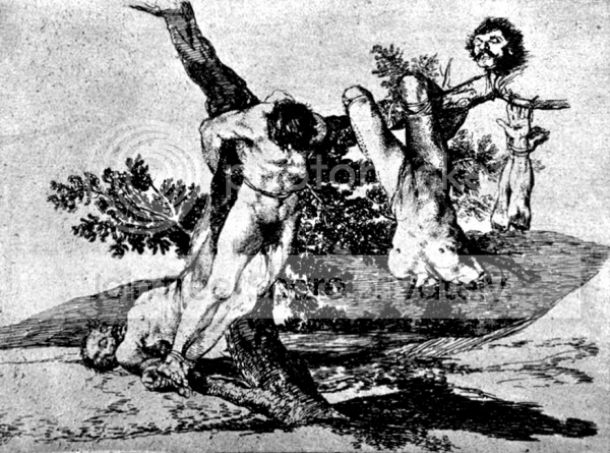
The Disasters Of War
The Disasters of War is a series of 82 prints created by Spanish painter Francisco Goya between 1810 and 1820. Goya was deeply affected by the conflicts between Spain and Napoleon´s French Empire and decided to express the war atrocities through these prints.
VARIOUS HORROR RELATED SITES
The 9 Scariest Short Internet Films
StumbleUpon
Axe Bros.
StumbleUpon
14 Horror Movie Gifs That Work Even Better As Memes
StumbleUpon
Artist Paul Ribera Has Spun A Shocking Nightmare On Those Favorite Iconic '90s Cartoons
StumbleUpon
So You've Decided To Be Evil
StumbleUpon
Horror Find.com
StumbleUpon