
Overview:
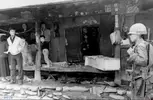
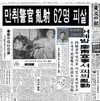
The “Woo Bum-kon incident” was one of the most brutal massacres committed by a single individual in modern history.
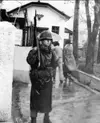
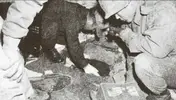
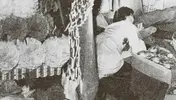
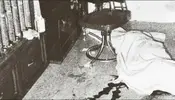
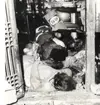
It took place in South Korea on the night of April 26–27, 1982, around Uiryeong County in South Gyeongsang Province, and was carried out by Woo Bum-kon, a police officer who killed dozens of people in several rural villages armed with two carbines and several hand grenades before dying in a final explosion alongside a family he had taken hostage inside their home.

The incident resulted in 56 deaths and approximately 35 others wounded.
The death toll varies depending on the source. Some South Korean sources claim that the death toll may have risen to at least 75 after several wounded individuals succumbed to their injuries.
Despite conflicting reports on the death toll, the number of injured remains consistent at around 35 or more according to all available sources. Due to the wide area covered during the attack, three different hospitals treated the victims, leading to some of them being counted twice, which resulted in discrepancies in various news reports.


The perpetrator:
Woo Bum-kon was a 27-year-old South Korean police officer. Contemporary accounts describe him as physically strong, disciplined, and experienced in military service, but also as unstable, highly stressed, and prone to alcohol abuse.


Apparently, he had experienced professional frustrations. Some reports suggest that he had once aspired to a career in athletics or the elite security services, but ended up stationed at a relatively isolated rural police station. Witness accounts following the massacre described him as emotionally unstable in the weeks leading up to the attack.

He lived in Apgok-ri, where he began dating a local woman, Chun Mal-soon. Within a few months, the couple moved in together with plans to marry, but Chun’s family refused to consent to the relationship due to Woo’s alcoholism.
According to Chun, Woo had an inferiority complex and was bothered by the villagers’ comments about him living with his girlfriend. She also described him as “a bit eccentric.”
On the day of the shooting, Woo, visibly drunk, shot a resident, who later recalled that Woo kept muttering phrases like “This disgusting world” and “I can’t be a cop.”

The motive:
According to the most widely accepted account, the immediate trigger was a domestic argument with his live-in girlfriend, Chun Mal-soon.
One account states that, while Woo was sleeping, his girlfriend accidentally woke him by swatting a fly off his chest. An argument ensued, and Woo flew into a rage.
Woo left the house and went to the Gungnyu police station, where he reported for duty at 4:00 p.m. According to initial reports, he began drinking heavily, although eyewitnesses later stated that he did not appear intoxicated during the attack.
According to local authorities, he would have been unable to traverse 4 km (2.5 miles) of rocky and difficult terrain while intoxicated.
Around 7:30 p.m., Woo returned home, assaulted Chun, and destroyed his furniture before heading to the reservists’ armory and seizing several weapons: two M2 Garand carbines, hundreds of rounds of ammunition, and seven hand grenades (model unspecified).

Of Woo’s four colleagues, three had left their posts during working hours, while another was off duty; apparently, all four had skipped work to go to a hot spring.
U.S. reports indicated that Woo had gained access to the armory by offering to cover another officer’s shift.
The weapons:
M2 Carbine (a variant of the U.S. M1 Carbine).

M67 fragmentation grenade (since the name of the grenades is never mentioned, I'll assume it was this model).

The “Woo Bum-kon incident” was one of the most brutal massacres committed by a single individual in modern history.
It took place in South Korea on the night of April 26–27, 1982, around Uiryeong County in South Gyeongsang Province, and was carried out by Woo Bum-kon, a police officer who killed dozens of people in several rural villages armed with two carbines and several hand grenades before dying in a final explosion alongside a family he had taken hostage inside their home.
The incident resulted in 56 deaths and approximately 35 others wounded.
The death toll varies depending on the source. Some South Korean sources claim that the death toll may have risen to at least 75 after several wounded individuals succumbed to their injuries.
Despite conflicting reports on the death toll, the number of injured remains consistent at around 35 or more according to all available sources. Due to the wide area covered during the attack, three different hospitals treated the victims, leading to some of them being counted twice, which resulted in discrepancies in various news reports.
The perpetrator:
Woo Bum-kon was a 27-year-old South Korean police officer. Contemporary accounts describe him as physically strong, disciplined, and experienced in military service, but also as unstable, highly stressed, and prone to alcohol abuse.
Apparently, he had experienced professional frustrations. Some reports suggest that he had once aspired to a career in athletics or the elite security services, but ended up stationed at a relatively isolated rural police station. Witness accounts following the massacre described him as emotionally unstable in the weeks leading up to the attack.
He lived in Apgok-ri, where he began dating a local woman, Chun Mal-soon. Within a few months, the couple moved in together with plans to marry, but Chun’s family refused to consent to the relationship due to Woo’s alcoholism.
According to Chun, Woo had an inferiority complex and was bothered by the villagers’ comments about him living with his girlfriend. She also described him as “a bit eccentric.”
On the day of the shooting, Woo, visibly drunk, shot a resident, who later recalled that Woo kept muttering phrases like “This disgusting world” and “I can’t be a cop.”
The motive:
According to the most widely accepted account, the immediate trigger was a domestic argument with his live-in girlfriend, Chun Mal-soon.
One account states that, while Woo was sleeping, his girlfriend accidentally woke him by swatting a fly off his chest. An argument ensued, and Woo flew into a rage.
Woo left the house and went to the Gungnyu police station, where he reported for duty at 4:00 p.m. According to initial reports, he began drinking heavily, although eyewitnesses later stated that he did not appear intoxicated during the attack.
According to local authorities, he would have been unable to traverse 4 km (2.5 miles) of rocky and difficult terrain while intoxicated.
Around 7:30 p.m., Woo returned home, assaulted Chun, and destroyed his furniture before heading to the reservists’ armory and seizing several weapons: two M2 Garand carbines, hundreds of rounds of ammunition, and seven hand grenades (model unspecified).
Of Woo’s four colleagues, three had left their posts during working hours, while another was off duty; apparently, all four had skipped work to go to a hot spring.
U.S. reports indicated that Woo had gained access to the armory by offering to cover another officer’s shift.
The weapons:
M2 Carbine (a variant of the U.S. M1 Carbine).
M67 fragmentation grenade (since the name of the grenades is never mentioned, I'll assume it was this model).
Attachments
-
 1000022061.webp16.1 KB · Views: 94
 -
 1000022062.webp53.2 KB · Views: 103
 -
 1000022063.webp64.7 KB · Views: 108
 -
 1000022064.webp49 KB · Views: 104
 -
 1000022065.webp20.9 KB · Views: 90
 -
 1000022066.webp45.7 KB · Views: 89
 -
 1000022067.webp48.1 KB · Views: 93
 -
 1000022068.webp89.8 KB · Views: 101
 -
 1000022060.webp52.4 KB · Views: 102